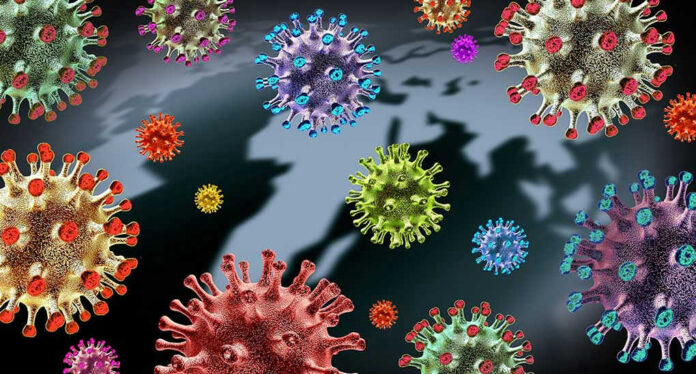
A deadly mosquito-borne virus outbreak overseas now threatens to breach America’s borders, testing the resolve of our leaders and the vigilance of our communities.
Story Snapshot
- The CDC has issued Level 2 travel alerts for Cuba and China after explosive chikungunya outbreaks, urging Americans to take extra precautions.
- Over 10,000 cases have erupted in China alone, with rapid spread across several major travel hubs and concerns of importation to the U.S.
- No locally transmitted cases have been reported in the U.S. since 2019, but health officials warn the risk remains if infected travelers arrive.
- Chikungunya’s symptoms mimic other mosquito-borne viruses, complicating detection and response at the border.
CDC Issues Level 2 Travel Alert as Overseas Outbreaks Escalate
In August 2025, the Centers for Disease Control and Prevention raised travel alerts to Level 2 for Americans heading to Cuba and China. This unprecedented move comes as chikungunya, a virus transmitted by Aedes mosquitoes, surges through Guangdong Province and Cuba, with over 10,000 cases reported in China alone. The affected regions are international travel gateways, magnifying the threat of the virus being imported into the United States by unsuspecting travelers returning home or visiting family.
Chikungunya, which causes severe joint pain and fever, is not new to the global stage. First identified in Africa during the 1950s, it has triggered outbreaks in Asia, the Americas, and Europe over decades. The virus exploits climatic shifts and heavy rainfall, fueling mosquito breeding in tropical and subtropical regions. This year’s outbreaks in China and Cuba are linked to unusually wet weather, amplifying mosquito populations and overwhelming local health systems. The result: mass vector control campaigns and urgent public health warnings across the outbreak zones.
Diagnosis Difficulties and the U.S. Risk Landscape
Chikungunya’s symptoms closely resemble those of dengue and Zika, making diagnosis and surveillance a challenge. U.S. health officials remain on high alert, as the same species of mosquitoes responsible for transmission overseas are established in many American states. While no locally transmitted chikungunya cases have occurred in the U.S. since 2019, the risk of importation remains real. Health authorities emphasize the need for vigilance, especially among travelers to outbreak regions and vulnerable populations such as pregnant women or those with chronic health conditions.
The CDC and state health departments have urged Americans to adopt robust mosquito bite prevention strategies, including wearing long sleeves, using EPA-registered repellents, and avoiding travel to affected areas when possible. Experts warn that the lack of a widely available vaccine or targeted treatment heightens the stakes, as an imported case could spark local transmission if not swiftly contained. Surveillance at points of entry and rapid response protocols are now more critical than ever to safeguard American communities.
Short and Long-Term Implications for U.S. Families and Communities
The immediate impact of these overseas outbreaks is being felt by travelers, airlines, and border health authorities. Economic disruption looms for the travel and tourism sector, while local health systems in China and Cuba are strained by the surge in cases. For American families, especially those with upcoming travel plans or relatives abroad, uncertainty and concern are mounting. Political leaders face pressure to maintain strong public health defenses without resorting to government overreach or unnecessary restrictions that would infringe on individual freedoms.
Deadly mosquito-borne virus sparks CDC travel alert — could it reach the US? https://t.co/cL7T7qnM0y #FoxNews
— Laura Gussin (@LGussin1017) October 2, 2025
Looking ahead, experts caution that if imported cases slip through surveillance, there is potential for chikungunya to gain a foothold in new U.S. regions. This would require ongoing vigilance and could result in costly, disruptive containment efforts. The situation underscores the importance of robust border security, transparent public health communication, and a commitment to protecting Americans from foreign threats—without sacrificing the constitutional rights and liberties that define this nation.
Expert Analysis and Conservative Concerns
CDC and World Health Organization officials stress the need for effective vector control, strong traveler education, and real-time surveillance to mitigate the risk of further spread. Conservative Americans—long skeptical of government overreach—are watching to ensure that responses to this crisis do not morph into excessive controls or infringements on liberty. With the Trump administration now in charge, there is renewed focus on American sovereignty, border integrity, and the importance of common-sense solutions over bureaucratic excess. The chikungunya outbreak serves as a stark reminder: global health threats require vigilance, but not at the expense of our freedoms and constitutional values.
Sources:
Deadly mosquito-borne virus sparks CDC travel alert — could it reach the US?
U.S. warns travelers as cases of chikungunya, a virus spread by mosquitoes, surge in China
Chikungunya Virus: Data & Maps
Zika Virus: Geographic Distribution