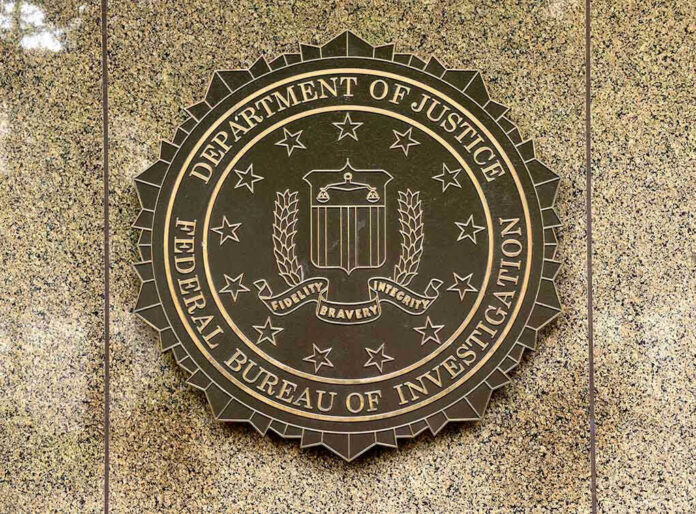
Allegations of FBI politicization raise concerns about government overreach and the erosion of civil liberties, fueling debates on agency accountability.
Story Overview
- Allegations of politicized investigations by FBI leadership target conservatives.
- Multiple whistleblowers claim internal pressure to classify cases for political optics.
- Congressional hearings and executive actions aim to address these abuses.
- The debate centers on potential reforms and the impact on agency credibility.
Whistleblower Allegations and Congressional Hearings
Recent whistleblower testimonies have unveiled allegations against FBI leadership for engaging in politically motivated investigations. These testimonies suggest that the agency has been pressuring agents to reclassify cases as domestic violent extremism to fit certain political narratives. Key events include the manipulation of case files related to the January 6th Capitol riot and the claim that the FBI viewed symbols like the Betsy Ross flag as representing terrorism. These assertions have sparked significant concern over the agency’s impartiality.
The implications of these allegations extend beyond the FBI, affecting public trust in federal law enforcement. Congressional hearings, particularly by the House Judiciary Committee, have been central in investigating these claims. The hearings aim to hold the FBI accountable for any abuses of power and ensure transparency in their operations. As part of the ongoing scrutiny, whistleblowers have testified about retaliation they faced, highlighting the challenges of exposing internal misconduct.
Executive and Legislative Responses
In response to these developments, the current Presidential administration has taken decisive steps to address the perceived weaponization of federal agencies. On January 20, 2025, an executive order was issued to mandate a review of practices within federal agencies, including the FBI. The order emphasizes accountability and transparency, aiming to restore public trust and credibility. Legislative proposals are also underway, focusing on reforms to enhance oversight and prevent future abuses.
These executive and legislative actions have sparked a broader debate about the balance between national security and civil liberties. While some advocate for increased oversight to prevent political motivations from influencing law enforcement, others warn that excessive reforms could undermine agency independence and effectiveness. This ongoing debate underscores the complexity of ensuring both security and freedom in a polarized political climate.
Impact and Future Implications
The allegations and subsequent investigations into the FBI have significant implications for various stakeholders. In the short term, the agency faces increased scrutiny, potential suspensions of implicated officials, and a public debate over its credibility. Long-term impacts could include structural changes in FBI oversight and lasting effects on public perception of federal law enforcement. The tech sector may also be affected, as data-sharing practices with agencies like the FBI come under examination.
The broader public remains divided over the issue, reflecting concerns about civil liberties and government accountability. As investigations and reforms continue, the outcome could reshape the relationship between law enforcement agencies and the communities they serve. The dialogue surrounding these events highlights the importance of maintaining a delicate balance between ensuring national security and upholding foundational constitutional rights.
Sources:
Hearing on the Weaponization of the Federal Government
Presidential Order: Ending the Weaponization of the Federal Government
Brennan Center Analysis: No, the FBI and Justice Department Aren’t Woke