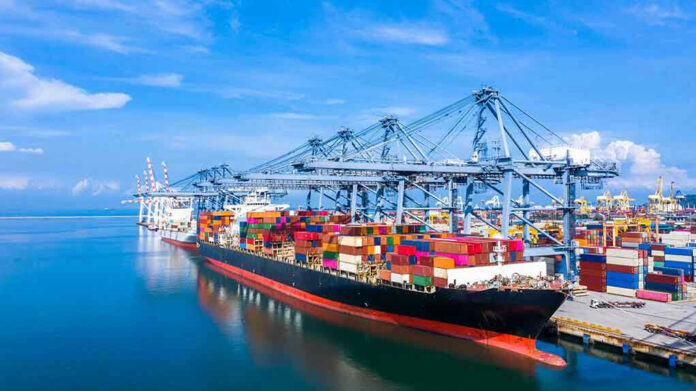
Chaos erupted at America’s busiest port as nearly 70 shipping containers toppled into the water, spotlighting vulnerabilities in our supply chain and raising questions about port safety under current management.
Story Snapshot
- Sixty-seven shipping containers fell from the cargo ship Mississippi at the Port of Long Beach on September 9, 2025, suspending operations at a critical U.S. import hub.
- No injuries or pollution were reported, but an anti-pollution vessel was struck and the cause is still under investigation.
- Authorities are scrutinizing equipment failure and unloading procedures as potential contributors to the incident.
- This disruption highlights the fragility of supply chains and the consequences of operational lapses at ports vital to the national economy.
Major Shipping Incident Exposes Port Safety Weakness
On September 9, 2025, the cargo vessel Mississippi, flagged under Portugal and arriving from China, was berthed at Pier G in the Port of Long Beach when a staggering sixty-seven shipping containers tumbled into the harbor during routine unloading. This incident, unprecedented in scale at a U.S. port during docking, forced the immediate suspension of all cargo operations at Pier G. Emergency responders, including the U.S. Coast Guard and local fire teams, mobilized to recover containers, secure the area, and launch an immediate investigation into how such a failure could occur at a facility responsible for nearly 40% of U.S. containerized imports.
Authorities quickly formed a Unified Command to coordinate the response, focusing on worker safety and environmental protection. While no injuries or immediate pollution were reported—a fortunate outcome given the potential for catastrophe—one anti-pollution vessel, STAX 2, was damaged by falling containers. The Coast Guard and port officials have emphasized that the cause is under active investigation, with particular scrutiny on crane operations, cargo lashing procedures, and possible equipment malfunctions. The incident’s timing, during normal operations at a vital logistics hub, underscores the high stakes involved when safety protocols or maintenance are lacking.
Supply Chain Disruption and Economic Impact
The fallout from the spill extends beyond the port’s boundaries, threatening to ripple through the national supply chain. The Port of Long Beach serves as a linchpin in American trade, and any suspension of operations instantly delays shipments, disrupts inventories, and increases costs for businesses and consumers. Cargo owners affected by the lost or delayed containers face financial uncertainty, while insurers may see claims rise. For port workers and logistics companies, the suspension of operations means lost productivity and potential wage impacts. As the Unified Command continues recovery and investigation efforts, stakeholders across the shipping and retail sectors are bracing for further delays and heightened scrutiny of port operations nationwide.
Although no environmental disaster has been reported so far, the near-miss involving the anti-pollution vessel highlights how quickly things could have spiraled into a true crisis. In the wake of this event, industry experts are calling for a thorough review of safety and maintenance standards at high-volume ports. They warn that aging equipment, pressure to expedite unloading, and lapses in oversight can erode the security of America’s critical infrastructure—issues that demand real accountability from both public agencies and private operators.
Calls for Accountability and Stronger Oversight
As recovery efforts proceed, conservative observers and industry leaders alike are questioning whether current port management and regulatory approaches are sufficient to protect U.S. interests. The incident raises important questions about government oversight, operational discipline, and the need to prioritize American supply chain security over bureaucratic complacency or politically driven agendas. Family businesses, manufacturers, and consumers across the country depend on efficient, reliable port operations—any erosion in standards or accountability ultimately threatens the backbone of the American economy. The ongoing investigation will be a test of whether responsible parties are held to account and whether meaningful reforms will be enacted to restore trust in the nation’s most important trade gateways.
Dramatic video shows shipping containers toppling off cargo ship in Californiahttps://t.co/9BEKTRXJSF
— BREAKING NEWZ Alert (@MustReadNewz) September 10, 2025
Ultimately, the loss of nearly seventy containers at berth is not just a logistical failure—it is a warning sign. If safety and operational rigor are allowed to slip at ports as crucial as Long Beach, the consequences could be far-reaching, affecting everything from national security to the cost of goods on Main Street. This incident demands vigilance, transparency, and a renewed commitment to prioritizing American interests at our borders and in our supply chain.
Sources:
Multiple shipping containers fall off cargo ship into water at Port of Long Beach, California | 6ABC
Unified Command responds to fallen containers at the Port of Long Beach | Port of Long Beach