The Supreme Court just forced Trump to abandon his most controversial domestic military deployment, but the President claims it was all part of his master plan.
Story Overview
- Trump ordered National Guard withdrawal from Chicago, Los Angeles, and Portland after Supreme Court ruling limited his deployment authority
- California spent nearly $120 million during the seven-month deployment that began over Governor Newsom’s objections
- Administration claims crime reduction justified the mission, while Democratic governors celebrate constitutional victory
- President warns of potential return “in a much different and stronger form” if crime surges
Constitutional Showdown Forces Presidential Retreat
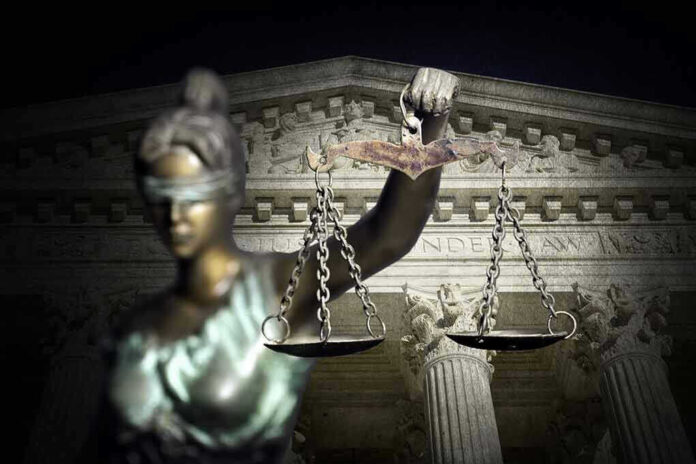
The withdrawal announcement came just one day after the Justice Department formally abandoned its legal fight to maintain federal control over California’s National Guard. The 9th Circuit Court of Appeals had already ordered the return of Guard control to Governor Newsom, following a Supreme Court ruling that presidential power to deploy troops domestically applies only to “exceptional” circumstances.
Trump’s announcement on Truth Social attempted to frame the retreat as victory: “Portland, Los Angeles, and Chicago were GONE if it weren’t for the Federal Government stepping in.” However, the timing suggests legal pressure, not strategic success, drove the decision. The deployment began in June 2025 when Trump mobilized nearly 2,000 troops to Los Angeles over Governor Newsom’s fierce objections.
The Real Cost of Federal Overreach
California taxpayers footed a staggering $120 million bill for the seven-month deployment that primarily involved troops protecting federal buildings rather than patrolling city streets. By August 2025, most forces had withdrawn, leaving roughly 300 California troops under federal control. The remaining 100 troops quietly departed the Roybal Federal Building in downtown Los Angeles following the appellate court order in mid-December.
Governor Newsom wasted no time claiming victory: “I’m glad President Trump has finally admitted defeat: we’ve said all along the federalization of the National Guard in California is illegal.” California Attorney General Rob Bonta added that his office “worked nights and weekends to defend the Constitution and bring about an end of the President’s unlawful overreach of executive power.”
Crime Statistics Undermine Administration Claims
The administration’s narrative about preventing urban collapse faces scrutiny when measured against actual crime data. LAPD records showed violent crime and property crime fell approximately 8% in Los Angeles during the deployment period. However, this reduction likely reflects broader trends rather than military intervention, since Guard troops remained largely confined to federal facilities.
Homeland Security Secretary Kristi Noem defended the deployment, claiming Los Angeles would have “burned down” without federal intervention. Yet the Guard’s limited scope of operations and the documented crime reduction suggest other factors drove improvements in public safety. Multiple judges, including conservative appointees, expressed skepticism about the administration’s claims that such deployment decisions operate beyond judicial review.
Warning Shot or Empty Threat
Trump’s parting warning about returning “in a much different and stronger form” if crime surges raises questions about future enforcement strategies. The Supreme Court ruling significantly constrains presidential authority to deploy state National Guard forces domestically without state consent. This legal precedent will limit any administration’s ability to override state sovereignty in similar circumstances.
Members of Congress had already begun scrutinizing the deployments, raising concerns about civil liberties and the expanding use of military forces in civilian settings. The constitutional clash over Guard control reflects deeper tensions about executive power and federalism that extend far beyond these three cities. The withdrawal marks a significant victory for state sovereignty advocates, but Trump’s ominous promise suggests this battle over domestic military deployment authority is far from over.
Sources:
Trump administration retreats in Newsom lawsuit over National Guard deployment
Trump abandons efforts to deploy National Guard to Chicago, Los Angeles, Portland