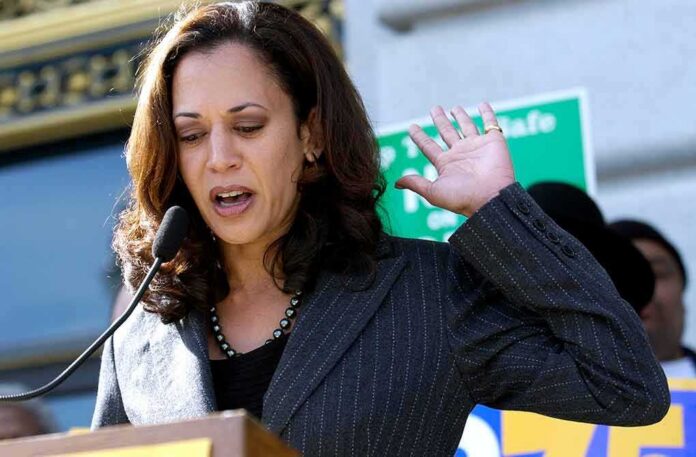
Alaska Democrat Mary Peltola publicly declined Kamala Harris’s help, saying her Senate race should stay focused on Alaska, not Washington.
Story Snapshot
- Peltola’s campaign said it did not approve or seek Harris’s endorsement email.
- Harris urged donors to “stand behind Mary” and linked a split-donation page.
- Republicans seized on the link to national Democrats to attack Peltola’s brand.
- Democrats still view Peltola as a top recruit in a key Senate target.
What Peltola Rejected and Why It Matters
The New York Times reported that Mary Peltola’s campaign said it “had not approved” Kamala Harris’s fundraising appeal and “did not seek” her endorsement. The statement added that Peltola is not seeking endorsements from people in the Lower 48, stressing an Alaska-first message. That clear pushback set a boundary. It told donors and national figures to keep the race local. It also signaled to skeptical Alaska voters that Peltola does not answer to Washington leaders.
Kamala Harris’s email framed Alaska as a “must-win race” and urged supporters to “stand behind Mary.” The link sent donors to a page that split money between Peltola’s Senate campaign and Harris’s own committee. Townhall highlighted the same “stand behind Mary” pitch as a way to help Peltola overcome spending and organizing gaps in the state. The email offered money and attention. It also tied Peltola to a national brand that has struggled in Alaska.
How Republicans and Democrats Are Positioning the Fight
Republicans argued that national Democrats lining up for Peltola shows she would back policies that do not fit Alaska’s energy economy. The Washington Examiner cited support from figures who favor aggressive climate measures as proof that Peltola’s allies are out of step with Alaska’s oil and gas jobs. Democrats see it differently. Politico called Peltola’s entry a major recruitment win that widens their Senate map, a sign the party believes Alaska is in play.
The Alaska Democratic Party chair said Democrats “need a champion like Mary” and predicted victory in November. That praise helps with donors and volunteers. But it can also feed the “outsider” charge that many Alaskans dislike. Peltola’s move to distance herself from Harris tries to square that circle. She gets the benefits of a serious national effort while telling voters she will not take orders from anyone in Washington, D.C. The balance is tricky in a state proud of independence.
Why Endorsements Can Backfire in a Local Race
Political research shows endorsements can raise money and energy, but they can also trigger backlash if the endorser is unpopular with the target audience. Alaska has often resisted national political brands. Harris lost the state in 2024, and Republicans want voters to see Peltola through that lens. Peltola’s quick rejection of the email was meant to shut that door. It anchored her message on fisheries, energy jobs, and cost of living, not on party labels or national fights.
Harris' endorsement doesn't help Peltola in AK. https://t.co/5dRtUx6Rw1
— Blank Slate (@blankslate2017) August 15, 2026
For voters who feel both parties serve the powerful first, this episode fits a larger pattern. National figures push fundraising appeals that blend races together. Money often flows through shared links that help committees far from the state at stake. Candidates then rush to prove they are not beholden to those networks. The result can look like politics serving itself. Alaskans now get to judge whether Peltola’s firewall against national pressure holds up through November.
Sources:
nypost.com, nytimes.com, townhall.com, thealaskastory.com, huffpost.com, nrsc.org
© nationalusnews.com 2026. All rights reserved.