U.S. forces struck and damaged multiple Iranian bridges while enforcing a renewed naval blockade, signaling a sharp expansion of the conflict inside Iran.
Story Snapshot
- U.S. military confirmed strikes that damaged the B1 bridge near Tehran; Iranian media reported deaths and injuries.
- A U.S. official said the Air Force also hit two railway bridges during broader operations.
- Central Command expanded targets as the blockade around the Strait of Hormuz restarted.
- Boarding actions and ship interdictions show tighter blockade enforcement at sea.
Bridge Strikes Expand the Fight Inland
U.S. officials said the military targeted the B1 bridge that links Tehran and Karaj in two separate bombing runs on Thursday. Iranian state media and international outlets reported at least eight dead and about 95 to 100 injured after the strike on the unfinished span, which had been billed as Iran’s largest suspension bridge. Video verified by major outlets shows the structure partly collapsed. The strike moved the fight beyond ports and air bases, hitting core transport links near the capital.
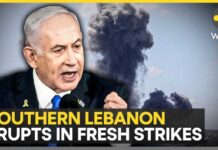
A separate U.S. official said the Air Force hit two railway bridges during Wednesday’s wider operation, which also targeted radar, anti-ship missile sites, and air defenses. U.S. Central Command stated it had struck dozens of Iranian targets over several hours as the blockade took effect again around the Strait of Hormuz. Shipping traffic through the strait later dropped, reflecting risk to regional trade and energy supplies as both sides traded blows.
Blockade Enforcement Reaches From Sea to Shore
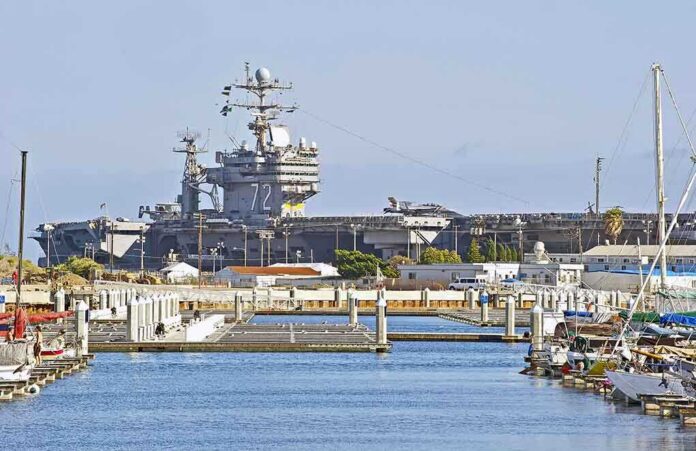
U.S. forces restarted a naval blockade on traffic to and from Iranian ports, citing attacks on commercial shipping and the need to deter more strikes at sea. Reports from U.S. Central Command and allied media describe disabling or firing into ships accused of breaking the blockade, including an empty tanker that attempted to run it. Earlier actions included boarding and inspections meant to verify cargo and routing, signaling tighter enforcement rules across the Gulf approaches.
These moves fit a pattern in conflicts around maritime chokepoints. Governments use strikes on logistics nodes—bridges, rail lines, and ports—to cut supply routes that could support military operations or sanctions evasion. U.S. statements frame the strikes as part of blockade enforcement and force protection, while Iranian officials call them unlawful and harmful to civilians. This split mirrors past “gunboat diplomacy” episodes in narrow waterways worldwide.
Civilian Toll, Escalation Risks, and Domestic Pressures
Local officials in Iran reported deaths and many injuries from the B1 bridge strike near Karaj, and residents voiced fear of more hits on key infrastructure. President Donald Trump warned that more bridges and power sites could be targeted if Tehran does not change course, reinforcing the threat of further damage to civilian-adjacent networks. Independent analysts confirmed recent strikes hit at least three bridges among other facilities, underscoring the breadth of the campaign.
The widening target set raises clear risks. Infrastructure strikes can disrupt military logistics, yet they also strain daily life, limit medical access, and fuel anger on both sides. Reduced tanker traffic through the Strait of Hormuz shows how fast regional shocks can ripple into energy markets and household budgets far from the Gulf. Many Americans across the political spectrum worry that leaders prioritize power and narratives over hard, lasting solutions. This cycle of escalation, blockade, and reprisals looks like more proof of that concern.
Sources:
youtube.com, today.com, bbc.com, aljazeera.com, dropsitenews.com, en.wikipedia.org, theguardian.com, latimes.com, washingtonpost.com
© nationalusnews.com 2026. All rights reserved.