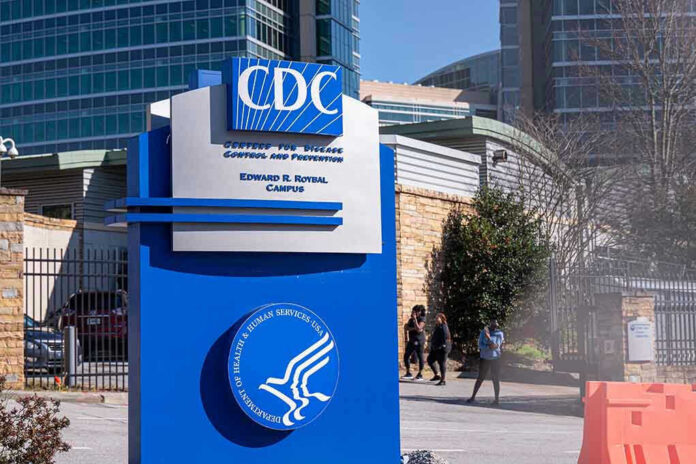
In a historic departure from tradition, the Senate has confirmed Dr. Susan Monarez as the CDC Director, making her the first non-MD to hold this position since 1953.
At a Glance
- Dr. Susan Monarez is the first non-MD appointed as CDC Director in over 70 years.
- The nomination marks a shift towards scientific expertise over clinical experience.
- Debate ensues regarding the qualifications necessary for federal health leadership.
- The Senate confirmation reflects a change in priorities under the Trump administration.
A Break from Tradition
The Senate’s confirmation of Dr. Susan Monarez as the CDC Director signifies a monumental shift in federal health leadership. For the first time since 1953, the role will be filled by someone without a medical degree, instead boasting a PhD in microbiology and immunology. This decision by former President Donald Trump to nominate Dr. Monarez after withdrawing his initial candidate is raising eyebrows across the nation. The move is seen as a bold statement emphasizing scientific research over traditional clinical practice, reflecting a significant change in direction for the CDC.
The choice of Dr. Monarez underscores the Trump administration’s focus on bringing scientific expertise to the forefront of public health policy. Her background in biomedical research contrasts sharply with the clinical backgrounds of her predecessors, suggesting a new era for the CDC. This decision comes amidst ongoing debates about the qualifications needed for top health officials, especially in the aftermath of the COVID-19 pandemic. The nomination has triggered discussions within both the medical and scientific communities, with opinions divided on the appropriateness of appointing a non-MD to such a critical position.
Implications for Public Health
This appointment is not just a change in leadership but a potential shift in the CDC’s priorities. Dr. Monarez’s scientific expertise could lead to an increased emphasis on research and innovation in public health policy, possibly at the expense of clinical care and frontline healthcare perspectives. This shift has sparked concern among some medical professionals who argue that clinical experience is crucial for effective public health leadership.
On the other hand, supporters of Dr. Monarez’s appointment argue that her expertise in microbiology and immunology is precisely what’s needed in an era where emerging diseases and biomedical innovation are at the forefront of public health challenges. They contend that her leadership could bring a fresh perspective and new solutions to longstanding health issues.
Reaction from the Medical and Scientific Communities
The reaction to Dr. Monarez’s confirmation has been mixed. Some in the medical community have expressed concern about the lack of clinical experience, fearing it could lead to a disconnect from the realities of frontline healthcare. However, others have welcomed the nomination, viewing it as an overdue recognition of the importance of scientific research in public health leadership.
Professional associations and major medical journals have provided a range of perspectives on the nomination. While some stress the necessity of clinical credentials, others highlight the potential benefits of having a leader with strong research expertise. The debate underscores the evolving nature of expertise in government health roles and the need to balance research and clinical perspectives in public health policy.
Broader Implications
The confirmation of Dr. Monarez as CDC Director could set a precedent for future federal appointments in health and science. It might influence the balance between research and clinical perspectives in public health policy, potentially reshaping the qualifications and expertise considered essential for these roles. The decision also reflects broader political and social debates over the role of science and expertise in government, particularly in the context of public health and safety.
This development is a clear indication of the Trump administration’s willingness to challenge longstanding norms and prioritize scientific innovation. As the nation watches closely, the impact of Dr. Monarez’s leadership on the CDC and public health policy will be closely scrutinized, with potential implications for the future of federal health leadership and the direction of public health in the United States.