
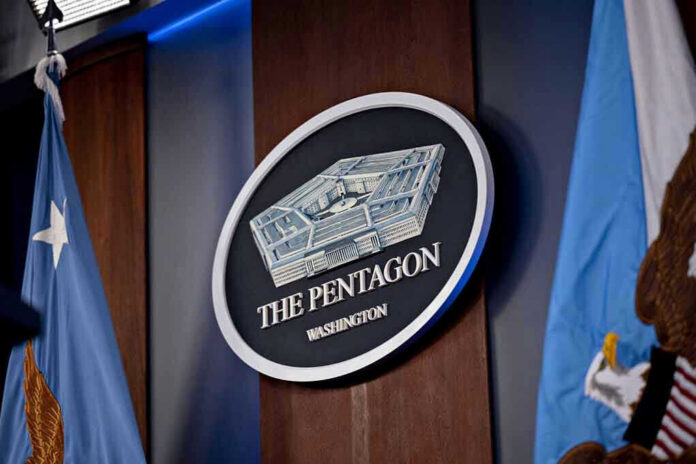
Former Rep. Marjorie Taylor Greene says White House strategy meetings have discussed using nuclear weapons against Iran, a claim dropped amid real U.S.-Iran military tension.
Story Snapshot
- Marjorie Taylor Greene alleged nuclear-use discussions about Iran occurred inside U.S. strategy meetings.
- She said U.S. intelligence told leaders Iran was not near a bomb, challenging the need for such talks.
- The White House’s stated objective remains to ensure Iran never gets a nuclear weapon.
- Greene’s claim surfaced after U.S. strikes on Iranian nuclear sites and fresh regional escalation.
What Greene Claimed And Why It Landed With Force
On social media, former Representative Marjorie Taylor Greene said U.S. officials “are discussing using nuclear weapons on Iran” in strategy meetings. She wrote that she was not speculating and called the idea “pure evil.” Reports quoting her post placed her words inside an active policy fight over how to deal with Iran’s nuclear work and regional threats. She also asserted that intelligence told leaders Iran was not close to a weapon, making any nuclear option, in her view, unjustified.
The allegation hit during a live crisis cycle with Iran. In 2025, the United States struck three major Iranian nuclear sites, which officials said aimed to degrade the program and push talks, not start a wider war. Think tanks and analysts described those strikes as targeted moves to block Iran’s path to a bomb and to shape Tehran’s choices. That history made Greene’s warning feel urgent and combustible for both supporters and critics of the administration.
How The Stated Policy And The Claim Intersect
The White House’s public line has been blunt: make sure Iran can never obtain a nuclear weapon. That objective is repeated in official messaging and video statements and has framed U.S. military and diplomatic steps since 2025. This public stance focuses on preventing an Iranian bomb, not using one. Greene’s claim does not change the stated policy, but it raises a sharp question about what is discussed behind closed doors when officials weigh worst-case scenarios.
Greene added that intelligence assessments did not show Iran sprinting to a bomb. Separate reporting in the same period described a timeline where Iran could, under certain conditions, move within months, while also stating there was no sign of a final decision to build a weapon. That nuance has fueled years of argument over preemptive action and deterrence, and it frames why planning talks, if they occurred, would be so charged.
Why This Resonates With A Frustrated Public
Americans across the political spectrum see a pattern: leaders say one thing in public and may explore very different options in private. Greene’s claim taps into that fear. Conservatives who oppose endless war hear “mission creep.” Liberals who fear nuclear escalation hear “overreach.” Many others see Washington as too quick to choose force while ignoring costs to working families, energy prices, and basic trust in government. The claim landed in that shared space of doubt about elite judgment.
Citizens also remember the high price of past wars. They see rising bills at home, and they watch leaders pledge restraint while approving strikes abroad. That mix breeds cynicism. People want clear goals, honest risk talk, and respect for the limits of power. A hint of nuclear planning, even as a contingency, clashes with those expectations and stokes concern that Washington’s default answer to hard problems is more firepower, not more strategy.
What We Know, And What To Watch Next
Here is what stands on the record today. Greene made a specific claim about nuclear-use talks and cited her own knowledge. She said intelligence did not support a rush to war. The United States previously struck Iranian nuclear sites with the stated aim to degrade the program and press for talks. The White House’s public objective is that Iran must never obtain a nuclear weapon. Those are the anchors for judging the moment.
🚨BREAKING: Marjorie Taylor Greene says White House officials are discussing the possible use of nuclear weapons against Iran in high-level strategy meetings, warning of a dangerous escalation. -RTDNews
— Texas Warrior Kimm Schuman (@SchumanKimm) August 17, 2026
Key tests now include official briefings to Congress, any shift in public guidance, and whether defense or intelligence leaders echo or contradict Greene’s description. Watch for oversight efforts seeking meeting notes, attendee lists, or policy papers that define the range of options considered. Also track Iran’s moves on enrichment and regional attacks, which can change risk calculations fast. Clear, on-the-record statements from named officials would help the public separate planning talk from actual policy.
Sources:
x.com, wionews.com, cryptobriefing.com, aa.com.tr
© nationalusnews.com 2026. All rights reserved.