A man trespassed and was arrested after climbing the heavily guarded gate at the U.S. Treasury building in broad daylight, raising new questions about federal security while reminding Americans how fragile our institutions can be—especially after years of reckless, soft-on-crime policies that left D.C. wide open.
At a Glance
- An unidentified man was arrested after breaching the Treasury gate in Washington, D.C.
- The Secret Service and Metropolitan Police Department’s bomb squad responded swiftly, securing the area.
- The suspect’s motives remain unknown, but the incident underscores ongoing security vulnerabilities at federal buildings.
- Recent cyberattacks and rising threats have kept security at the forefront for U.S. government facilities.
Man Climbs Treasury Fence, Sparks Security Scare in the Heart of D.C.
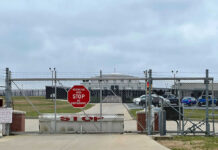
The U.S. Treasury building, one of the nation’s most iconic financial strongholds, became the scene of an alarming security breach this Sunday when a man scaled its perimeter gate at around 2:30 p.m. Law enforcement responded in full force, treating the incident with the seriousness it deserved. The Secret Service quickly detained the individual, but not before the Metropolitan Police Department’s bomb squad was summoned to examine the suspicious bag he brought with him. This incident didn’t just disrupt a quiet Sunday—it reignited old frustrations about the state of security in our capital and whether the lessons of recent years have truly been learned.
Man arrested at US Treasury building after climbing gate, agency says https://t.co/6DSXjOPMMl https://t.co/6DSXjOPMMl
— Reuters (@Reuters) July 28, 2025
For decades, Americans have watched as D.C. has morphed from a bastion of order into a testing ground for every hare-brained social experiment and misguided “reform” that the left can dream up. From defunding police to treating criminals as victims, these policies have eroded the sense of safety and respect for our nation’s most important symbols. The Treasury building, protected by the Secret Service and enhanced security measures dating all the way back to the 19th century, should be impenetrable. Yet, somehow, a man scaled the gates in broad daylight. Those who care about law, order, and the rule of law are right to ask: how did we get here?
Security Responds, But The Public Remains Frustrated
The response to Sunday’s breach was swift and professional. Secret Service agents detained the suspect without reported injuries. The bomb squad, called in “out of an abundance of caution,” examined the man’s bag, which fortunately contained no hazardous materials. Once the all-clear was given, traffic blockades around the Treasury were lifted and the area reopened. But as is so often the case, the public is left in the dark about who this man is or why he did it. Authorities have not released his identity or any information about his motives, fueling speculation and frustration among citizens who feel that transparency and accountability are in short supply these days.
Federal buildings in D.C. have faced a steady uptick in both cyber and physical threats in recent years. The Treasury itself was targeted in a major cyberattack in December 2024, when Chinese hackers penetrated sensitive government systems and accessed confidential files. That breach, like this latest incident, exposed weaknesses in our national defenses and forced a round of security reviews. But despite these wake-up calls, the incidents keep coming—each one a reminder that bureaucracy and complacency are no substitute for real, common-sense security.
Security Gaps: A Legacy of Bad Policy and Eroding Standards
Security experts have long argued for a robust, layered approach to protecting federal facilities: physical barriers, constant surveillance, and the unwavering presence of law enforcement. Yet, physical breaches like Sunday’s—and the far more frequent cyberattacks—show that even the most iconic buildings in America remain vulnerable. While some experts say the rapid response demonstrates protocols are working, others point out the obvious: repeated incidents suggest our approach needs constant improvement, not endless studies or more bureaucracy. Ask any taxpayer—especially those who remember the chaos of the last administration—and they’ll tell you that Washington’s top priority should be defending our nation’s institutions, not appeasing activists or cutting corners in the name of “equity” and “inclusion.”
For the thousands of federal employees, tourists, and commuters affected by Sunday’s lockdown, the message is clear: our government must do better. The temporary disruption may have been minor, but the erosion of public trust is not. Each incident chips away at the confidence Americans have in their leaders and their capital’s ability to protect what matters most. And while the Biden era may be over, the consequences of years of weak leadership and misplaced priorities are still being felt on the streets of D.C.
Federal Security: Still Playing Catch-Up
As the investigation into Sunday’s breach continues, one thing is certain: this is not just a one-off event. It is the inevitable result of years of soft policies and mixed messaging from those in charge. While the Secret Service and MPD deserve credit for their fast action, the American people want more than just a good reaction—they want real prevention and a return to basic, common-sense standards. That means holding the line on law and order, investing in real security, and making sure the nation’s most important symbols are not just protected in name only.
The Treasury building has stood for centuries as a testament to American strength, ingenuity, and the rule of law. Incidents like this serve as a wake-up call: it’s time to stop playing catch-up and start prioritizing the safety of our institutions and the dignity of our country. If Washington can’t secure its own heart, what hope do the rest of us have?
Sources:
CyberArk: The US Treasury Attack—Key Events and Security Implications
The Independent: Chinese hackers breach US Treasury in ‘major’ cyber attack
Texas Standard: China-backed hackers breached the US Treasury Department
U.S. Treasury: Burglar Proof Vault (historical context)