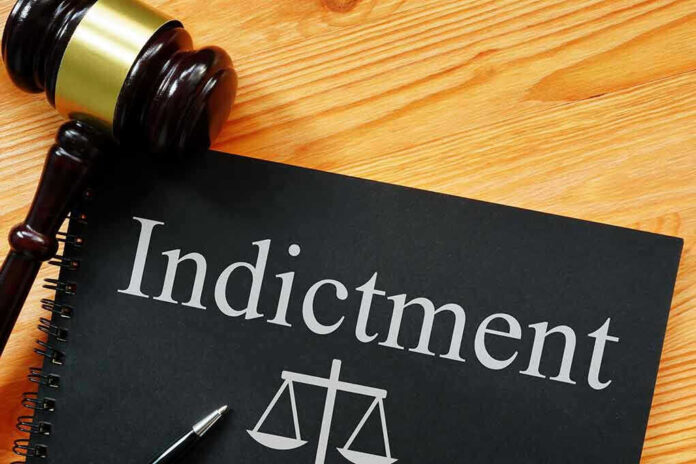
For the first time in American history, a federal grand jury has indicted a former FBI Director on felony charges, marking a seismic shift in how the nation holds its top law enforcement officials accountable.
Story Snapshot
- James Comey faces two felony counts: making false statements and obstruction of justice related to his 2020 Senate testimony
- The charges stem from Comey’s testimony about the FBI’s handling of the Trump-Russia investigation and disclosure of sensitive information
- This marks the first indictment of a former FBI Director on congressional testimony-related charges
- The case comes as the five-year statute of limitations was about to expire, adding urgency to the prosecution’s timing
The Charges That Shattered Precedent
On September 25, 2025, a federal grand jury in Alexandria, Virginia delivered an unprecedented blow to America’s former top cop. James Comey now faces two felony counts that could fundamentally alter how high-ranking officials testify before Congress. The indictment alleges Comey deliberately misled senators about his role in authorizing anonymous sources and obstructed their investigation into FBI conduct during the most politically charged investigation in modern American history.
Attorney General Pamela Bondi’s statement rang with the weight of institutional accountability: “No one is above the law. Today’s indictment reflects this Department of Justice’s commitment to holding those who abuse positions of power accountable for misleading the American people.” This prosecutorial decision represents a dramatic escalation in the yearslong saga surrounding the FBI’s conduct during the 2016 election and subsequent Trump-Russia investigation.
The Road to Indictment
The foundation for these charges was laid during Comey’s September 30, 2020 testimony before the Senate Judiciary Committee. Under oath, the former FBI Director answered questions about the bureau’s handling of the Trump-Russia probe and his knowledge of information disclosures to media outlets. Prosecutors now allege those answers contained material falsehoods that obstructed Congress’s constitutional oversight function.
The timing of this indictment reveals the prosecutorial pressure cooker at work. As the five-year statute of limitations approached in September 2025, the Department of Justice faced a now-or-never moment. Sources indicate internal DOJ discussions about the case’s strength continued right up until the grand jury’s decision, with some career prosecutors reportedly expressing reservations about proceeding.
Political Earthquake or Justice Served
President Trump’s public calls for Comey’s prosecution and his replacement of the US attorney in the Eastern District of Virginia shortly before the indictment have intensified questions about political influence in prosecutorial decisions. Critics argue this represents dangerous politicization of the justice system, while supporters contend it demonstrates that even the most powerful officials face consequences for alleged misconduct.
The grand jury’s rejection of a potential third count related to Comey’s knowledge of the “Clinton plan” or Steele dossier suggests prosecutorial restraint and careful consideration of the evidence. This decision underscores the complexity of the case and the high bar required for proving false statements to Congress, where intent and materiality must be established beyond reasonable doubt.
Sources:
Washington Examiner – Grand jury indicts former FBI Director James Comey
HotAir – James Comey indicted by grand jury
Click2Houston – Justice Department to try to charge ex-FBI director James Comey
KEYT – What to know about the James Comey indictment and what happens next