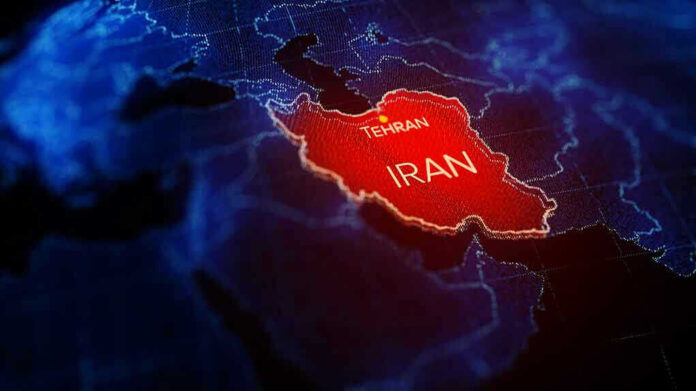
Iran’s declaration that its military capabilities are not up for negotiation during nuclear talks should make every American who values national security and common sense wonder just how far global appeasement will go before the world wakes up.
At a Glance
- Iran categorically refuses to discuss its missile and military programs in ongoing nuclear negotiations
- Israel’s June 2025 strikes on Iranian nuclear infrastructure triggered a 12-day regional war and U.S. intervention
- A ceasefire now holds, but Iran’s hardline stance leaves nuclear diplomacy in limbo and the world on edge
- Proxy conflicts and regional instability threaten to drag the U.S. further into another costly, endless conflict
Iran’s Non-Negotiable Military Ambitions Exposed
Iran’s foreign minister made it crystal clear: their ballistic missile and military programs are off the table, period. This isn’t some idle boast. This is the official stance of a regime notorious for “Death to Israel” rallies and decades of violent proxy wars. Their so-called “negotiations” are a magic trick—watch the right hand (nuclear fuel limits) while the left hand loads up missile silos, funds terrorist proxies, and props up chaos from Yemen to Lebanon. Iran’s message? They want the cash, the legitimacy, and the freedom to keep threatening their neighbors. So what on earth is the West even negotiating for?
While Iranian diplomats smile for the cameras at talks in Vienna, their military drills roll on, their missile stockpiles grow, and their proxies keep launching rockets at Israel. The very week Israel launched “Operation Rising Lion” against Iran’s nuclear sites in June 2025, Iran’s missile arsenals and drone fleets were already primed and ready. And yet, the so-called world powers still think the regime will play by the rules if you just ask nicely enough. How’s that strategy working out so far?
A Region on the Brink as Israel Strikes, U.S. Intervenes
Following Israel’s preemptive strikes on June 13, 2025, the Middle East tipped into full-blown chaos. Iranian missiles rained down on Israeli cities, while U.S. forces had to step in and bomb Iranian nuclear sites—forcing America, once again, into a conflict nobody wanted but everyone saw coming. The death toll soared, infrastructure crumbled, and the world watched as two of the region’s most heavily armed states exchanged blows while the diplomats in Vienna debated semantics. The conflict left over a thousand Iranians and nearly thirty Israelis dead, and countless more injured or displaced.
The so-called ceasefire, brokered by U.S. and regional mediators desperate to avoid a wider war, only put a temporary lid on the violence. Underneath, the pressure is building. Iran’s refusal to even mention its missile program at the negotiating table exposes the entire diplomatic charade. If you’re not talking about the weapons that can actually reach Tel Aviv or Riyadh—or maybe, down the line, southern Europe—then you’re not talking about the real threat. You’re just playing for time.
Diplomacy Dismantled: The West’s Self-Inflicted Blindness
No amount of diplomatic word salad can hide the truth: Iran has the upper hand as long as the West refuses to call their bluff on missiles. Israel’s strikes were a desperate attempt to delay the inevitable—a nuclear-armed Iran with a delivery system aimed at America’s allies and, eventually, beyond. Yet the U.S. and European negotiators still cling to the fantasy that an agreement on uranium enrichment will magically calm the region. All the while, Iran’s Supreme Leader Khamenei continues threatening the U.S. in public broadcasts, vowing retaliation for any future attacks and standing firm against any restriction on his regime’s military power.
Meanwhile, American taxpayers get dragged into another endless security commitment in the Middle East, while our own border security and public safety collapse back home. The same politicians who can’t keep fentanyl out of our neighborhoods want to reassure you that they can keep Iranian missiles from reaching Tel Aviv. It’s a joke, except nobody’s laughing—least of all the families in Israel, Iran, and elsewhere caught in the crossfire of failed diplomacy and empty promises.
The Real Stakes: Security, Sovereignty, and Surrender
Iran’s hardline refusal to negotiate on its military capabilities should be a wake-up call, not just for Israel but for every American who cares about national security and the Constitution. If a regime that funds terrorism, attacks U.S. allies, and openly rejects basic accountability can set the terms of its own supposed “restraint,” then what’s to stop anyone else? The lesson is painfully clear: peace through weakness is a fantasy, and appeasement only invites more aggression. With the nuclear talks now stalled over the obvious—missiles that can actually deliver nukes—it’s time for the West to admit that reality doesn’t bend to wishful thinking or woke talking points.
As the dust settles over another “ceasefire,” the world waits for the next shoe to drop. And unless our leaders finally rediscover the value of strength, clarity, and common sense, it’s only a matter of time before Iran’s non-negotiable weapons program sparks yet another crisis—one that might not be containable next time.