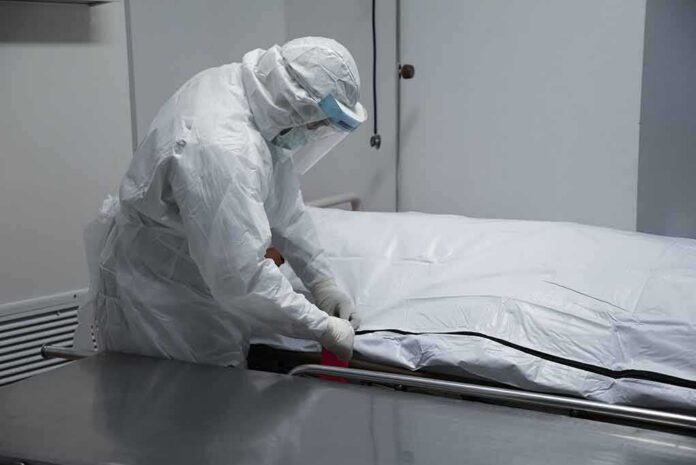
Mexico’s largest Catholic archdiocese urged officials to ensure miscarried, aborted, and unclaimed babies receive a dignified burial through clear legal handoffs to accredited groups.
Story Snapshot
- The Archdiocese of Mexico asked for laws to allow respectful burial of unclaimed babies.
- Church leaders want remains transferred to accredited associations after legal procedures.
- The request highlights gaps between health, forensic, and cemetery rules in Mexico.
- Similar burial rules abroad have doubled as abortion policy flashpoints.
What The Archdiocese Asked The Government To Do
The Archdiocese of Mexico called on health authorities, forensic services, and local governments to set up a legal path for handing over the remains of miscarried, aborted, or unclaimed babies to accredited institutions for burial. The church said the transfer should happen only after all legal and forensic steps are complete. The goal is a respectful interment instead of disposal as medical waste, with suitable places for burial designated by the state.
Church outlets and wire reporting described the appeal as a push for “dignity” in how remains are handled. The archdiocese said trained groups already exist and can perform burials once they receive the remains through a lawful chain of custody. The request did not seek to change criminal law on abortion. It sought procedures so that unclaimed remains do not sit in storage or end up discarded outside standard funeral practices.
Why This Matters Beyond Church Walls
This push lands in a policy space where funeral rules and abortion politics often mix. In the United States, courts have weighed laws that require burial or cremation of fetal remains after abortions, treating them as human remains under public health codes. Supporters say such laws ensure consistency and respect, while critics argue they add cost and stigma without health gains. The Supreme Court allowed an Indiana requirement to stand by declining further review in 2023.
Mexico’s own rules can be complex, with death and fetal death certificates, civil registry approvals, and strict timelines. That layered system can leave families confused and leave unclaimed remains in limbo. The archdiocese’s proposal tries to bridge those gaps by naming who can accept custody after forensic sign-off, and by urging governments to set aside proper burial sites. Reporting on the appeal frames it as a funeral practice fix that avoids ad hoc disposal.
Evidence Of Existing Burial Efforts
Catholic groups in Mexico and across Latin America have already carried out burials for unborn and newborn children when families ask or when remains are unclaimed. One Mexico-based association has reported hundreds of burials over several years, working with cemeteries and parishes to provide rites and resting places. These efforts show that practical networks exist, but they depend on clear legal transfers from hospitals and morgues to proceed at scale.
Church teaching underlies these efforts, holding that the remains of embryos and fetuses deserve the same respect as other human remains. Health ethics groups tied to Catholic health systems state the same principle in plain terms. Those views do not carry legal force in secular law, but they shape the call for government procedures that allow faith-based and civic associations to receive remains and provide burial when families do not or cannot claim them.
How This Fits A Wider Trust Gap
Many citizens in Mexico and the United States see public systems as slow, costly, and unresponsive. When remains fall through the cracks between hospital policy, forensic backlogs, and cemetery rules, families feel that failure in a painful way. The archdiocese’s plan points to a narrow, workable fix: name an accredited receiver, define the handoff, and set places for burial. That is a limited step, but it answers a real problem without asking the public to change core beliefs on abortion.
Policy makers now face a clear test. Health and justice agencies can draft handoff protocols, approve qualified associations, and issue guidance to hospitals and morgues. Local governments can designate burial lots and basic funding. If they act, fewer remains will sit unclaimed or be treated as waste. If they stall, families and volunteers will keep patching holes in the system one case at a time, and trust in institutions will continue to erode.
Sources:
lifesitenews.com, ewtnnews.com, gazetadopovo.com.br, radioformula.com.mx, pdcnet.org
© nationalusnews.com 2026. All rights reserved.