One oil chief is warning that the world can only buy time at Hormuz, not safety, and that delay may cost far more than pipeline spending.
Quick Take
- Patrick Pouyanné says a longer Hormuz shutdown could drive **serious supply issues** and higher LNG prices.[1][2]
- He argues that free passage through the Strait of Hormuz is *fundamental* to global market stability, even if transit includes a toll.[1][4]
- Reuters says Pouyanné is now pushing Gulf producers to invest in pipelines that bypass the strait.[8]
- Other energy analysis says current bypass routes can only cover a limited share of Hormuz traffic.[21][22]
Why the Warning Matters
Pouyanné’s comments matter because Hormuz is not a normal shipping lane. It is one of the world’s biggest energy chokepoints, and even a short disruption can shake prices and planning across Europe and Asia. In March and April, he said the market could absorb a brief shock, but that months of closure would bring much worse damage.[1][6][7] That message fits a wider fear on both the right and left: major systems are fragile, and officials often act only after the damage starts.
His main point is simple. Keep the strait open, or build ways around it. Pouyanné said the free flow of ships through Hormuz is central to market freedom, and that reopening the route would help conditions return toward normal within about three months if energy sites are not badly hit.[1][4] He also warned that once facilities are destroyed, recovery is measured in years, not months.[1] That is a sharp reminder that shipping problems can turn into a full energy crisis very fast.
What He Is Asking Gulf States To Do
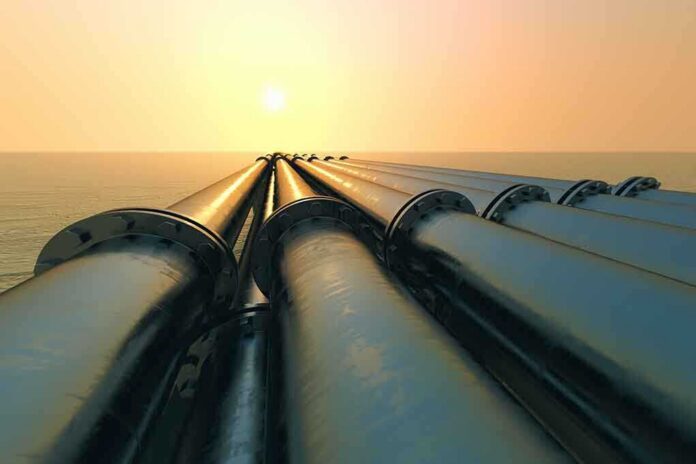
Reuters reported that Pouyanné wants Gulf countries and energy firms to invest in pipelines that can bypass Hormuz.[8] The idea is not new. Saudi Arabia and the United Arab Emirates already have major bypass routes, including the Saudi East-West Pipeline and the Abu Dhabi Crude Oil Pipeline. But those lines do not come close to replacing all Hormuz traffic, and the region still depends on the strait for a huge share of exports.[21][22]
That gap is the heart of the debate. Supporters of more pipelines argue that the region needs backup routes before a crisis gets worse. Critics say the needed system would cost tens of billions of dollars and take many years to build.[21][22] The available evidence in this package supports both the urgency and the limits. Bypass lines exist, but they are far too small to fully replace Hormuz in the near term.[17][21][22]
TotalEnergies called for major new Middle East pipeline investments to bypass the Strait of Hormuz, warning that months of Iran-linked disruptions have exposed a critical vulnerability in global energy supplies.#Forbes
For more details: 🔗 https://t.co/XnRjQwwgYO pic.twitter.com/xE1ToUH4nS
— Forbes Middle East (@Forbes_MENA_) June 23, 2026
The Reality Check on Bypass Plans
The strongest counterpoint is scale. One analysis says existing bypass pipelines can replace at most about 28 percent of the oil that moves through Hormuz, with no real LNG bypass option.[21][22] Other reporting says even a full replacement system would need many pipelines, cost roughly $40 billion to $60 billion, and take about 10 to 12 years.[21][22] That does not make the plan useless. It does mean the promise of a quick fix is far weaker than the political rhetoric around it.
This is where the story cuts across party lines. Energy security is a real concern for families facing high fuel and food costs. So is the danger of governments pretending they have a backup when they do not. Pouyanné’s warning shows how easily one chokepoint can expose weak planning across markets and governments.[1][6][22] The deeper issue is not one CEO’s alarm. It is that the global economy still leans on a narrow route that cannot be replaced overnight.
Sources:
[1] Web – “We Must Act”: TotalEnergies CEO Joins Calls To Rewire Gulf Energy …
[2] Web – TotalEnergies CEO discusses Strait of Hormuz disruptions – CGTN
[4] Web – TotalEnergies CEO warns of ‘serious supply issues’ if Iran war …
[6] Web – TotalEnergies warns of energy shortage if Strait of Hormuz blockade …
[7] YouTube – Strait of Hormuz crisis could damage global economy
[8] Web – China Development Forum: TotalEnergies CEO discusses Strait of …
[17] Web – TotalEnergies Awards Chinese Engineering Firm Major Gas …
[21] Web – Nord stream 2, geopolitical conflicts and energy security: Evidence …
[22] Web – Cross-Border Oil and Gas Pipelines: The Intersection of Politics …
© nationalusnews.com 2026. All rights reserved.