President Trump just used a Cold War-era emergency law to jump-start California offshore oil—setting up a direct collision between national energy security and Sacramento’s regulatory blockade.
Quick Take
- Trump signed a March 13, 2026 executive order invoking the Defense Production Act to restart Sable Offshore’s Santa Barbara-area platforms and pipelines.
- The administration argues the move is tied to national security and supply disruptions linked to the Iran war and rising fuel prices.
- California Gov. Gavin Newsom and state officials signaled immediate legal resistance, citing state authority, court orders, and coastal safety.
- The order escalates a high-stakes federal-state power fight over whether emergency authority can override environmental rules and a consent decree.
Trump’s Defense Production Act Order Targets Santa Barbara Infrastructure
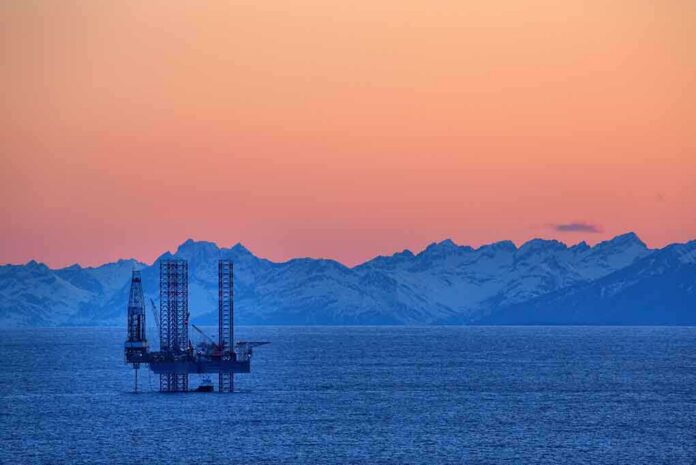
President Donald Trump signed an executive order on March 13, 2026 directing expanded use of the Defense Production Act, the 1950 law built for national defense mobilization. The practical effect is aimed at one target: enabling Sable Offshore Corp. to restart the Santa Ynez Unit’s offshore platforms and the pipeline network feeding onshore facilities near Santa Barbara. Federal officials framed the action as an energy-security measure amid war-driven supply risk.
Energy Secretary Chris Wright publicly tied the restart to national security, describing the pipeline restoration as “vital” under current conditions. The Justice Department had also issued a legal opinion earlier in March supporting federal preemption, strengthening the administration’s argument that state permitting barriers and related restrictions can be overridden when the DPA is invoked. As of the reporting summarized here, the full text of the Energy Department order was not publicly released.
Why California Oil Supply Became a Flashpoint During the Iran Crisis
California’s refining system is heavily exposed to foreign supply shocks, and multiple reports linked the administration’s decision to disruptions tied to the Iran war. With a large share of California refineries’ crude coming from overseas—and a significant portion moving through the Strait of Hormuz—price spikes quickly become a local political emergency. The White House posture is straightforward: replace risky imports with domestic production when global routes become unstable.
That argument lands with voters who remember years of inflation pressure and policy choices that limited domestic energy output while consumers paid more at the pump. Still, the research available does not show any guarantee of immediate gasoline price relief from this particular restart. Critics quoted in the coverage argued the timeline and market realities may limit short-term impact, even if additional barrels eventually reduce reliance on fragile global supply chains.
Newsom’s Legal Threats Highlight a Federal-State Power Struggle
Gov. Gavin Newsom responded with sharp rhetoric and a promise to fight the order, casting the action as a move that defies courts and endangers coastal communities. California’s Justice Department indicated it was reviewing the order and raised concerns that industry interests were being placed above local impacts. The dispute is not simply political theater; it turns on whether Washington can use emergency authorities to bypass state laws and a consent decree.
For constitutional-minded readers, the situation is a reminder that federalism cuts both ways. Conservative voters often push back on sweeping federal bureaucracy, yet the DPA is an explicitly federal tool designed for national defense emergencies. The strongest factual takeaway from the reporting is that the administration is leaning on that legal architecture to override a long-standing state posture that has limited offshore activity since major historic spills changed California politics.
The Refugio Spill and Unresolved Safety Questions Drive the Opposition
The infrastructure in question has baggage. The 2015 Refugio oil spill released thousands of barrels after a pipeline rupture linked to corrosion, killing wildlife and helping trigger shutdowns. A later federal consent decree required California State Fire Marshal approval before restarting operations. Environmental groups argue the emergency order shortcuts protections built after the spill and risks repeating past failures, including concerns raised about corrosion controls and safety upgrades.
Even sources aligned on the basic timeline also acknowledged uncertainty: details on what fixes have been completed—and what specific safety conditions the federal government will require—were not fully clear in the public reporting summarized here. That matters because the administration’s core claim is necessity under national security conditions, while opponents’ core claim is that urgency is being used to bypass safeguards that exist precisely because this system failed before.
What This Precedent Could Mean for Energy Policy and Executive Power
Legal experts quoted in the coverage described the step as an unusually broad use of the DPA for oil production, rather than a short, targeted action. If courts uphold the approach, future administrations could cite it to push through infrastructure or production in other states when supply shocks hit. If courts reject it, the ruling could narrow emergency powers and reinforce the role of state regulators and consent decrees, even during crises.
Trump Invokes Cold War Emergency Law to Restart California's Offshore Oil—Newsom Vows to Fight Backhttps://t.co/yadV0YwqpN
— RedState (@RedState) March 14, 2026
The immediate next chapter is likely written by lawyers, not drill rigs. California officials and environmental organizations signaled litigation, while Sable Offshore positioned itself to proceed without state approval if the federal order holds. For conservative readers tracking the bigger picture, the conflict sits at the intersection of energy independence, war-driven supply vulnerability, and the ongoing debate over how far executive emergency authority can reach when elected leaders claim the country’s security is on the line.
Sources:
Trump Takes a Step Toward Invoking Emergency Powers for Offshore Drilling (NOTUS)
Citing Iran Crisis, Trump Orders Santa Barbara Oil Pipeline Restart (CalMatters)
Trump administration sets stage for controversial offshore oil plan (Los Angeles Times)