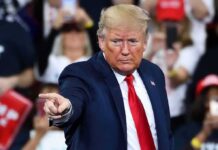
In a shocking twist, Donald Trump has taken legal action against the Wall Street Journal, claiming that a letter linking him to Jeffrey Epstein is a complete fabrication.
At a Glance
- Donald Trump sues the Wall Street Journal for libel over a letter allegedly sent to Jeffrey Epstein.
- The authenticity of the letter is disputed, with Trump denouncing it as a fake.
- The lawsuit adds fuel to the ongoing media firestorm surrounding Epstein’s high-profile connections.
- Potential implications for media credibility and standards in reporting controversial documents.
The Alleged Letter and Trump’s Response
The Wall Street Journal recently stirred the pot by publishing a story about a so-called “bawdy” birthday letter allegedly from Donald Trump to Jeffrey Epstein. This revelation has reignited scrutiny of Trump’s past interactions with the infamous financier. Trump, however, wasted no time in dismissing the letter as a forgery and has now filed a libel lawsuit against the publication. Trump’s legal team argues that the WSJ disregarded warnings about the letter’s authenticity, accusing them of perpetrating a politically motivated attack.
Trump’s move to challenge the WSJ in court underscores the deepening divide between conservative figures and mainstream media outlets. The former president has been vocal in his criticism, calling out the WSJ and its owner, Rupert Murdoch, for what he perceives as a deliberate smear campaign. The lawsuit, filed on July 18, 2025, aims to hold the publication accountable for what Trump claims is a blatant attempt to tarnish his reputation.
Media Bias and Credibility on Trial
As the lawsuit unfolds, it raises significant questions about the responsibilities of media organizations in reporting on high-profile figures. The authenticity of the letter remains a point of contention, with the WSJ standing by its reporting while Trump categorically denies any involvement. The legal battle could set a precedent for how media outlets handle unverified documents, especially in cases involving controversial public figures.
Critics argue that the WSJ’s decision to publish the story reflects a broader trend of media bias, where narratives are shaped to align with specific political agendas. The lawsuit may force a reevaluation of editorial standards and practices, particularly when dealing with explosive claims that could impact the reputations of influential individuals. The outcome of this case could have far-reaching implications for journalistic integrity and the public’s trust in the media.
Implications for Trump and the WSJ
The legal showdown between Trump and the WSJ is more than just a battle over a letter; it’s a clash of ideologies and power dynamics. For Trump, the lawsuit is an opportunity to defend his name and challenge the narrative crafted by media elites. A victory in court could bolster his standing among supporters who view him as a victim of media persecution.
For the WSJ, the stakes are equally high. The publication’s credibility is on the line, and the outcome could influence public perception of its editorial independence. Should the court rule in favor of Trump, it may prompt other public figures to pursue similar actions against media outlets, potentially stifling investigative journalism. Conversely, a decision favoring the WSJ could reinforce the importance of press freedom and the role of journalism in holding power to account.