
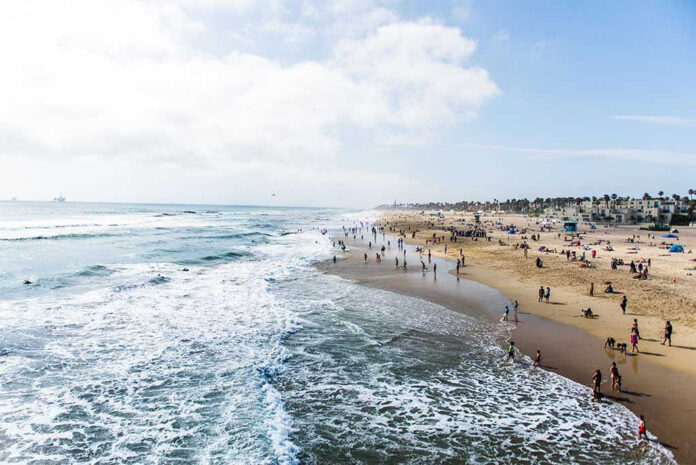
When a five-star resort leaves a British grandfather dead, cockroaches in the room, and the pool water turning yellow, it raises hard questions about who is really looking out for ordinary travelers.
Story Snapshot
- At least eight British tourists have died after gastric illnesses linked to holidays in Cape Verde resorts since 2023, with grieving families blaming filthy conditions and poor safety standards.
- Cape Verde’s own inquiry found harmful Shigella bacteria in irrigation water and fresh produce on key tourist islands, even as officials insisted there was no formal “outbreak.”
- More than 1,700 mostly British tourists have joined legal action against travel giant Tui, claiming undercooked food, flies on buffets, dirty rooms, and brown or yellow water at “luxury” all‑inclusive hotels.
- The fight over who is responsible — local authorities, global hotel brands, or big tour operators — shows how regular people can be left exposed while powerful players point fingers.
Widow’s Anger After Cape Verde Holiday Turns Tragic
A British woman has spoken out after her husband died following a stay at a Riu resort in Cape Verde, describing cockroaches in their room, brown tap water, and a swimming pool that turned yellow during their trip. He is one of at least seven British tourists who have died after suffering severe gastric illness in Cape Verde since January 2023, most of them after stays at Riu-branded hotels sold as safe, luxury, all‑inclusive escapes.
Law firm Irwin Mitchell, which specializes in travel illness cases, says it is now representing the families of multiple dead tourists and more than 1,500 others who reported serious stomach bugs after Cape Verde holidays, mainly booked through Tui. Many describe similar scenes: undercooked buffet food, flies on serving trays, and staff failing to separate raw and cooked items. Some guests say they saw cleaners rinsing cups in bathroom sinks instead of using proper kitchen facilities.
Evidence of Contamination and Official Denials
Cape Verdean health authorities opened a public inquiry after European tourists, especially from Britain, reported waves of severe diarrhea, vomiting, and fever following trips to the islands of Sal and Boa Vista. Investigators tested 156 samples from drinking water, fresh food, food-handling areas, and irrigation water. They confirmed the presence of Shigella — a bacteria that can cause serious gastric illness — in irrigation water and on fresh produce used on the islands.
Despite that finding, officials said the positive tests stayed within their “surveillance parameters” and argued this did not prove an official outbreak. That careful wording may protect tourism revenue and government reputation, but it offers little comfort to families who watched loved ones go from healthy to critically ill in days. United Kingdom health authorities later linked over 100 Shigella and dozens of Salmonella cases to recent travel to Cape Verde, adding more weight to fears that resort guests were exposed to unsafe food or water.
Families Describe Horror Holidays, Not Luxury Breaks
Relatives of 64‑year‑old grandmother Karen Pooley say she fell violently ill with sickness and diarrhea at the Riu Funana resort before suffering complications, including a broken leg and multi‑organ failure; she later died, and her family now blames failures by both the resort and travel company. In another case, part‑time nurse Eleana Walsh, also 64, became unwell at the Riu Cabo Verde resort and died in hospital just two days after her symptoms began.
Video and photos gathered by lawyers and reviewed by journalists show buffet dishes that appear undercooked and left uncovered, flies landing on food, and hotel rooms with visible mold. One widow told reporters she had to bury her husband in an unmarked grave in Cape Verde because of bureaucratic delays and costs tied to bringing his body home, a nightmare that turned a once‑in‑a‑lifetime trip into a trauma her family will carry for years. These are exactly the kinds of stories that fuel growing distrust of large companies and distant officials.
Tourism Profits, Risk to Travelers, and a Familiar Pattern
Health experts say traveler’s diarrhea is the most common illness on foreign trips, hitting between one‑third and two‑thirds of tourists depending on the destination. Past outbreaks in Mediterranean and tropical resorts have traced major clusters of illness to contaminated hotel water systems or poor food hygiene. In those cases, as now in Cape Verde, the pattern is often the same: guests see clear warning signs like dirty pools and pests, but are told everything meets “standards” until many people get sick.
British Widow 69 Had To Bury Husband 74 In Unmarked Grave In Cape Verde After He Died Ill On Holiday
Colin Timson fell ill with sickness and diarrhoea on the second day of their July 2024 holiday at the Riu Funana hotel collapsed the next morning and died that evening from acute… pic.twitter.com/3CTQDh6g8s
— Grifty (@TheGriftReport) July 10, 2026
Instead of criminal charges or fast government action, these disputes usually end up as civil lawsuits against tour operators, who act as the public face of complex holiday chains. For British families dealing with death or long‑term health damage, that means long legal battles with well‑funded companies while officials and corporations argue over lab standards and liability. For many readers on both the left and right, the Cape Verde resort scandal feels less like an isolated tragedy and more like another sign that ordinary people pay the price when powerful players cut corners and then close ranks.
Sources:
independent.co.uk, mirror.co.uk, thetimes.com, irwinmitchell.com, instagram.com, gloucestershirelive.co.uk, facebook.com, hotelspedia.org, wwwnc.cdc.gov, pubmed.ncbi.nlm.nih.gov, floridahealth.gov
© nationalusnews.com 2026. All rights reserved.