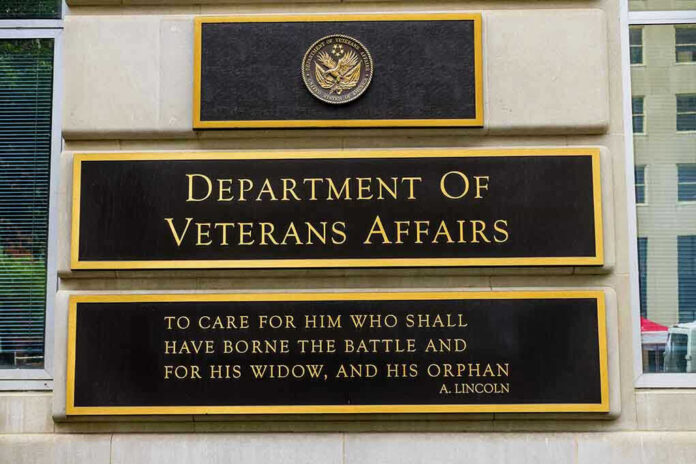
An Army veteran’s “Yelp for the VA” is exposing how Washington’s bureaucracy really treats those who wore the uniform.
Story Snapshot
- An Army vet built a Yelp-style site so veterans can publicly review VA hospitals, clinics, and benefits offices.
- Years of wait-time scandals, confusing claims, and opaque decisions at the VA pushed veterans to create their own accountability tools.
- The platform shifts power from unelected bureaucrats to veterans themselves, using peer reviews to pressure failing facilities.
- As Trump’s second term targets waste and dysfunction in Washington, crowd-sourced VA reviews could bolster demands for deep reform.
Veteran-Built Review Site Takes on VA Bureaucracy
An Army veteran, fed up with inconsistent care and confusing benefits decisions, created a website that lets veterans rate and review VA hospitals, clinics, and services using a Yelp-style system. The platform allows star ratings, written reviews, and facility pages searchable by location, giving veterans something they have rarely had before: a way to see, in plain language, how a particular VA office actually treats people like them.
Army vet who created ‘Yelp for the barracks’ makes website to review the VA https://t.co/R2yvURuygy
— Task & Purpose (@TaskandPurpose) December 9, 2025
The site grew out of the same frustrations many readers share: long waits, contradictory answers, and a sense that the system answers more to itself than to the men and women it is supposed to serve. Instead of relying only on polished talking points or buried government metrics, the founder wanted everyday vets to describe real experiences with wait times, staff attitudes, communication, and claims handling, so others can decide where to seek care or how to push back.
How VA Failures Opened the Door for Grassroots Transparency
For more than a decade, VA scandals have exposed deadly wait times, confusing rules, and a maze-like disability system that rewards persistence over honesty. Veterans report months-long delays for specialty appointments, inconsistent decisions on nearly identical claims, and appeals that can stretch well beyond four months just for a so-called Higher-Level Review. These are not abstract policy debates; they are the reasons veterans miss work, skip care, or give up entirely on benefits they earned in uniform.
At the same time, the VA has poured staggering sums into complex technology efforts and sprawling disability programs while still leaving many vets feeling shut out. Electronic health record modernization has cost billions yet has not fully eliminated delays or miscommunication. Disability compensation spending now rivals or exceeds VA healthcare outlays, yet the process to qualify remains confusing and adversarial for many claimants. That disconnect between growing budgets and stubborn frontline problems is exactly what fuels demand for bottom-up, veteran-run accountability tools.
What Makes a “Yelp for the VA” Different from Ordinary Review Sites
Unlike generic platforms where VA hospitals might appear alongside restaurants, this veteran-built site focuses solely on VA care and benefits. Review prompts and categories are tailored to the realities of dealing with the government: how long it took to get an appointment, whether staff explained decisions clearly, if a claims office returned calls, whether a mental health provider stayed consistent, or if a benefits appeal felt fair. For veterans juggling chronic injuries or PTSD, those details matter more than starched language in an annual report.
The platform also reflects the culture of the military community. Many vets are willing to speak candidly but worry about retaliation or stigma if they criticize a specific office or provider. A dedicated site can allow pseudonyms, moderating standards, and norms that recognize those fears while still surfacing honest feedback. That dynamic—respecting privacy while amplifying truth-telling—is difficult to achieve on mainstream social media, but it is central to making this type of site a real check on government power instead of just a complaint board.
Conservative Concerns: Overspending, Opacity, and the Fight for Accountability
For conservative readers who have watched Washington grow bigger, costlier, and less accountable, this story hits a nerve. The VA is one of the clearest examples of how massive bureaucracy can fail the very people it claims to champion, even as budgets swell and new programs are advertised as “reform.” When it takes months to get a decision review or when billions vanish into mismanaged tech projects, that is not compassion; it is bureaucratic self-protection masquerading as service to veterans.
Trump’s second term has refocused attention on cutting waste, challenging entrenched agencies, and insisting that federal programs serve citizens rather than special interests. In that climate, a veteran-run review site functions as a grassroots oversight tool, documenting real-world performance without waiting for a committee hearing or an inspector general report. Every honest review exposes where taxpayer money is buying quality care—and where it is funding indifference, incompetence, or ideological distractions unrelated to veterans’ actual needs.
Long term, if platforms like this gain traction, they could quietly reshape how the VA and Congress talk about “reform.” Instead of hiding behind averages and national talking points, officials would have to confront specific patterns of praise and failure, facility by facility. For families trying to decide whether to trust a local VA hospital, and for lawmakers claiming to stand with veterans, that kind of transparency is not a luxury. It is a basic test of whether government still remembers who it works for.
Sources:
VA Higher-Level Review: Decision Reviews and Appeal Options
VA Decision Reviews: Your Options After a VA Decision
VA Claim or Appeal Status: Online Tracking Tool
U.S. Department of Veterans Affairs – Veterans Benefits Administration