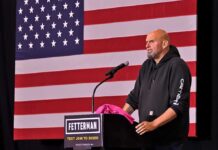
A sitting U.S. senator says a viral streamer’s words are putting Jewish Americans at risk—and the clip shows why this fight matters beyond one feud.
Story Highlights
- Senator Elissa Slotkin condemned Hasan Piker’s remarks as antisemitic generalizations about American Jews.
- Piker said he warned of backlash tied to public support for Israel, not against Jews as a group.
- Advocacy groups cite Piker’s past rhetoric to argue he crosses into antisemitic tropes.
- The dispute reflects a wider battle over where criticism of Israel ends and antisemitism begins.
What Sparked The Clash Between Slotkin And Piker
Senator Elissa Slotkin criticized Hasan Piker after a clip circulated of him warning that American Jews who present themselves as tied to Israel could face violence. Slotkin said equating all Jews with Israel is wrong and fuels antisemitic tropes. Jewish Insider reported her view that Piker’s remarks generalize Jewish Americans and heighten danger to them. The dispute quickly spread through political media. It came as Democrats fought over Piker’s role in Michigan politics and national messaging.
Piker defended himself by saying he was warning about risk, not endorsing harm. Politico quoted him calling the idea that Jews are monolithic on Israel “dangerous propaganda.” He added that American Jews do not prioritize Israel, but do prioritize fighting antisemitism. He has also said his criticism targets the Israeli government and its conduct, not Jews as a people. These statements form the core of his response to the antisemitism charge, which he rejects.
The Record Critics Point To When Calling It Antisemitism
The Anti-Defamation League described Piker as a figure with a history of rhetoric that sanitizes violence and denigrates Jewish people, including a past slur against Orthodox Jews, for which he later apologized. Advocacy summaries argue that his statements often blur lines between harsh anti-Israel criticism and tropes about Jews. Supporters say those summaries cherry-pick or strip context. This tug-of-war shows how fast clips can harden opinions before fuller context gets reviewed.
Slotkin’s specific concern focused on collective blame. She argued that tying Jewish Americans to a foreign government paints a target on people who are not responsible for that government’s decisions. That view tracks with how many communities see prejudice grow: broad labels lead to broad punishment. Her stance also reflects a fear shared across parties. When heated rhetoric spreads online, real-world threats can rise, and the most vulnerable pay the price.
Why This Fight Resonates Beyond One Viral Clip
This dust-up speaks to a deeper problem in American politics. Influencers gain power as trust in institutions falls. Advocacy leaders, party strategists, and elected officials rush to define the line between protected speech and dangerous speech. The New Republic captured that broader battle by noting high-profile condemnations of Piker from Jewish leaders and centrists, which Piker dismisses as bad-faith attacks on his politics rather than his character. Each side claims to defend safety and free expression.
Even James Carville doesn’t like Hasan Piker https://t.co/I104q20bNe
— Sweet Life (@Cynthia4ffx) August 24, 2026
Both left and right worry that elites play language games while ordinary people face threats. Many conservatives see a double standard that excuses hostility toward Jews if it is wrapped in anti-Israel framing. Many liberals fear that calling any strong critique of Israel “antisemitic” chills debate and avoids hard questions. Regular Americans see rising anger online, little accountability, and leaders more eager to score points than solve problems. That anger at the system is the one thing uniting them.
What To Watch Next In Michigan And National Politics
Michigan’s campaigns will test whether candidates keep or cut ties with polarizing influencers. Party leaders could set clearer rules for surrogates to avoid collective blame and dehumanizing language. Newsrooms and platforms can slow the clip wars by adding full-context links and clearer labels. Readers should look for precise language that targets policies and actors, not identities. They should also note who proposes real guardrails over speech that can spark real harm, and who just seeks clicks.
Sources:
foxnews.com, jewishinsider.com, jacobin.com
© nationalusnews.com 2026. All rights reserved.