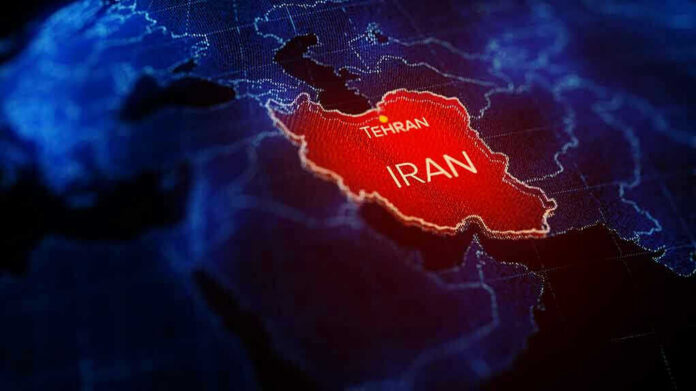
As Iran plays denial games over nuclear inspections, the Trump–Vance team is testing whether real toughness can finally stop Tehran from ever getting the bomb.
Story Snapshot
- Vice President JD Vance says Iran agreed in Switzerland to let United Nations nuclear inspectors back in.
- Semi-official Iranian media loudly denies any such deal, exposing deep distrust and information warfare.
- The Trump administration is trading short-term oil and sanctions relief for hard security guarantees, including on the Strait of Hormuz.
- Experts warn Iran may use talks to stall and rearm, so inspection promises must be verified, not just celebrated.
Vance Calls Inspections Deal a ‘Major Milestone’ — Iran Says Not So Fast
Vice President JD Vance stepped before cameras in Switzerland and said the words many Americans have waited years to hear: Iran has agreed to invite nuclear inspectors back into the country.[2] He called it a “major milestone” and “the first step in permanently denuclearizing…a nuclear weapons program in Iran.”[6] Talks in the Swiss resort of Bürgenstock ran past 1:00 in the morning as U.S. and Iranian technical teams hammered out details, even after social media threats that Iran might walk out.[1]
Back in Washington and Tehran, the spin battle began almost at once. The New York Post reports that Tasnim, a semi-official Iranian outlet, flatly claimed, “The Iranian negotiating team or responsible government officials did not approve the entry of [International Atomic Energy Agency] inspectors into Iran.”[3] That denial directly clashes with Vance’s statement and shows how Iran talks one way at the table and another way in the press. American negotiators urged reporters not to trust Iranian “propaganda sources,” underscoring how truth itself is now part of the battlefield.[3]
Behind the Deal: Oil Relief, Open Hormuz, and Help for U.S. Farmers
Vance has stressed that the tentative deal is about more than inspectors. He says the teams agreed on a mechanism to keep the Strait of Hormuz open and even to coordinate clearing mines so Iran cannot choke off world oil shipments when it wants leverage.[6] As part of the package, the Treasury Department has temporarily lifted some sanctions on Iranian oil for at least 60 days, giving Tehran short-term breathing room while negotiators race to finish a broader agreement.[6]
In a twist that will interest many readers in farm country, the administration is also steering any unfrozen Iranian funds into buying American crops. Reports say the framework channels Iranian money into U.S. soy, corn, and wheat, turning frozen assets into direct orders for American agriculture.[4] That means jobs and sales here at home rather than cash Tehran can use for terror proxies. Still, some critics worry this creates a financial incentive for Washington to keep a weak deal alive, even if Iran cheats later.
A Long History of Iranian Denials and Half-Deals
The mixed messages coming out of Lucerne and Tehran fit a pattern veterans of these talks know well. Analysts note that in most negotiation cycles since 2003, one side has loudly announced “major progress” while the other publicly denied anything was agreed, only for the truth to emerge weeks later after outside checks from nuclear watchdogs.[7] Iran has often tried to win sanctions relief and time while keeping its options open to race for a bomb if pressure eases or U.S. politics shift.[5]
Past rounds broke down when Iran rejected clear limits on missiles, uranium enrichment, and support for terror groups like Hezbollah and Hamas.[15] Even when Iran signed papers, it often added quiet conditions. In 2025, senior Iranian officials warned that any “hostile actions” or renewed United Nations pressure would mean they would end cooperation with inspectors.[10] That means any new promise to let inspectors in could vanish the moment Tehran decides to cry foul over a U.S. statement, an Israeli airstrike, or even a tough United Nations resolution.
Why This Matters for American Security and Conservative Priorities
For conservative Americans, the core issue is simple: Iran must never get a nuclear weapon, and U.S. leaders must stop writing blank checks to regimes that chant “Death to America.” The Trump administration is trying to use hard leverage—sanctions, oil pressure, and military strength—to force Tehran to accept real inspections and real limits.[6] That is very different from past “globalist” deals that showered Iran with cash up front in exchange for paperwork and vague promises.
This is a major developments out of the U.S.-Iran high-level peace talks in Bürgenstock, Switzerland.
Vice President JD Vance made the announcement following the first round of face-to-face negotiations, calling the invitation to the International Atomic Energy Agency (IAEA) a…— Bluegrass AI Distractions (@AkBluegrass3) June 22, 2026
Still, this moment calls for clear eyes, not wishful thinking. Vance is right that inspectors on the ground are better than blind trust, but paper agreements mean little if Iran’s rulers can deny them the next day on state television.[3] Congress, independent experts, and especially the International Atomic Energy Agency must verify every claim. If Tehran tries to stall, block inspections, or use new funds to arm its proxies, the United States must be ready to snap back sanctions and, if needed, walk away. Peace is worth seeking, but not at the price of letting a terror state go nuclear.
Sources:
[1] Web – “You close it … you won’t even make it back to your f—ing …
[2] YouTube – JD Vance says Iran has Agreed to Invite IAEA Inspectors …
[3] YouTube – JD Vance TORCHES Iran; Tehran agrees to IAEA inspections
[4] Web – Iran will let UN nuke inspectors back in, could buy US …
[5] Web – Vance touts agreements on open Hormuz Strait, IAEA …
[6] Web – Iran agrees to invite IAEA inspectors back, says US
[7] Web – Vance says Middle East talks show progress as Iran …
[10] Web – JD Vance has said that Iran has agreed to invite IAEA …
[15] Web – IAEA Director General’s Introductory Statement to the Board of …
© nationalusnews.com 2026. All rights reserved.