California just seized nearly 80,000 pounds of illegal fireworks at the Nevada border, yet the underground pipeline feeding these explosives into neighborhoods keeps growing faster than officials can stop it.
Story Snapshot
- Cal Fire recovered almost 80,000 pounds of illegal fireworks in a two‑month border crackdown, exposing a massive interstate pipeline.
- Local departments report thousands of emergency calls and millions in property loss tied to illegal fireworks, including house fires.
- TNT Fireworks and the California State Fire Marshal say 60–70% of illegal fireworks come from about 13 Nevada border stores.
- Officials now push license scans, drones, and huge fines, raising new questions about privacy, enforcement, and who really benefits.
Massive Border Seizures Show How Big the Problem Has Become
Cal Fire says that between May and June, officers seized 79,411 pounds of illegal fireworks along the California–Nevada border during targeted highway operations. They ran 932 traffic stops, issued 215 citations, and arrested three people for dangerous fireworks and other violations. These numbers show a huge flow of explosives crossing state lines despite bans in many California cities. State officials estimate more than 220,000 pounds of illegal fireworks are seized and destroyed in a typical fiscal year.
Earlier busts reveal that this is not a one‑off problem but a steady black market pipeline. In one major case, Cal Fire arrested seven people and confiscated nearly 50,000 pounds of illegal fireworks tied to a ring that trucked product in from Montana and Nevada and stored it in Northern California warehouses. Another warehouse raid in Commerce uncovered more than 100,000 pounds of illegal fireworks, which officials called one of the largest seizures the state has ever seen.
Neighborhood Damage: Fires, Emergencies, and Fear on the Ground
While these numbers sound abstract, the impact hits regular people in their neighborhoods. Cal Fire reports more than $4 million in property loss from fireworks‑related fires since January in just one recent year. Firefighters have responded to roughly 5,000 emergency calls linked to illegal fireworks over the past five years, with last year’s calls about three times the normal average. Local stories include a house fire in Farmersville tied directly to banned fireworks, showing how fast a “harmless” backyard show can turn into tragedy.
City fire departments feel that strain on the front lines. In Fresno, the fire department reported 190 calls on one July 4 holiday, with nearly 70 percent related to fireworks activity. Crews had to chase brush fires, trash fires, and structure fires while also dealing with injuries and noise complaints. For residents, especially older homeowners and working families, this looks like another example of government talking tough on safety but failing to keep dangerous contraband out of their streets.
Inside the Interstate Pipeline: Nevada Stores, Tribal Land, and Big Money
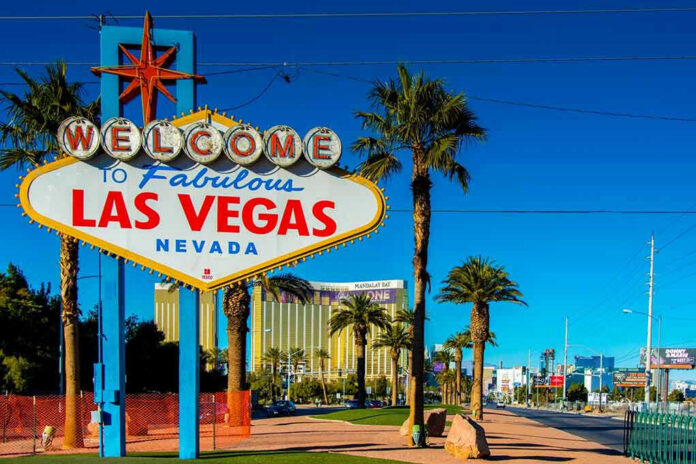
TNT Fireworks, which sells state‑approved products, estimates that 60 to 70 percent of California’s illegal fireworks come from about 13 specific Nevada border stores. That estimate is backed by the California State Fire Marshal’s advisory committee and a San Francisco Grand Jury report on cross‑border fireworks traffic. These shops sit just across the line, where large aerial fireworks and explosive devices are legal to buy but illegal to use in most of California. For many, this looks like classic cross‑border loophole behavior.
Reporters also note sales on tribal land in Washoe County, where fireworks are legally purchased under tribal rules and then driven into California despite state bans. Retailers and tribal operations depend on these sales for a big share of their yearly revenue, giving them strong reasons to resist tighter controls. This financial pressure feeds the pipeline, even as California neighborhoods deal with fires, explosions, and gang involvement tied to the illegal trade.
Crackdown or Overreach? New Tech, Huge Fines, and Privacy Concerns
Faced with growing public anger and visible damage, officials are rolling out tougher measures. Southern California cities like Chino and San Bernardino are using drones to spot and record illegal fireworks launches, with citations starting around $1,000 and climbing in some areas into the thousands. Other jurisdictions threaten fines up to $50,000 and possible jail time for large‑scale possession or sale of illegal fireworks. These penalties aim to scare off repeat offenders but can feel extreme to regular citizens who get caught.
TNT Fireworks is pushing a more data‑driven crackdown. The company proposes an interstate compact where Nevada border stores would scan buyers’ driver’s licenses and upload purchases into a state database that could alert California authorities when residents buy large quantities. Supporters say this would track big traffickers and protect neighborhoods. Critics worry it creates another government list of ordinary people’s activities and hands more power to corporations that already profit from the legal side of the fireworks business.
Safe‑and‑Sane vs. Black Market and the Bigger Trust Problem
One key debate is whether legal “safe and sane” fireworks, such as small fountains and sparklers, help or hurt. TNT claims communities that allow only state‑approved fireworks have seen complaints about illegal fireworks drop by up to 50 percent in the first year. They argue that giving people a legal outlet cuts demand for dangerous aerial shells smuggled from Nevada. For families who just want a simple July 4 celebration, this sounds like a reasonable middle ground.
Yet the larger story feeds a shared frustration across the political spectrum. Many conservatives see these huge seizures and continued chaos as proof that strict bans, heavy fines, and new surveillance tools do not fix deeper enforcement failures. Many liberals see low‑income neighborhoods shouldering the risk from fires and explosions while corporations and interstate politics shape the rules. Both sides can agree on one thing: the current system lets a lucrative interstate fireworks pipeline thrive while ordinary Californians pay the price in fear, property loss, and mistrust of a government that talks tough but still cannot get a handle on the problem.
Sources:
facebook.com, groups.io, sacbee.com, pbs.org, cbsnews.com, kqed.org
© nationalusnews.com 2026. All rights reserved.