Israeli airstrikes hit southern Lebanon overnight, leaving at least 11 people dead and about 19–20 others wounded, according to Lebanese officials and multiple reports.
Story Highlights
- Strikes killed at least 11 in villages including Ansar and Deir El Zahrani, with roughly 19–20 injured.
- Reports say children and women were among the dead in Ansar.
- Israeli military has said recent operations target Hezbollah sites amid cross-border fire.
- Fighting follows a broader pattern of post-ceasefire flare-ups that have killed dozens in past incidents.
What Happened In Southern Lebanon
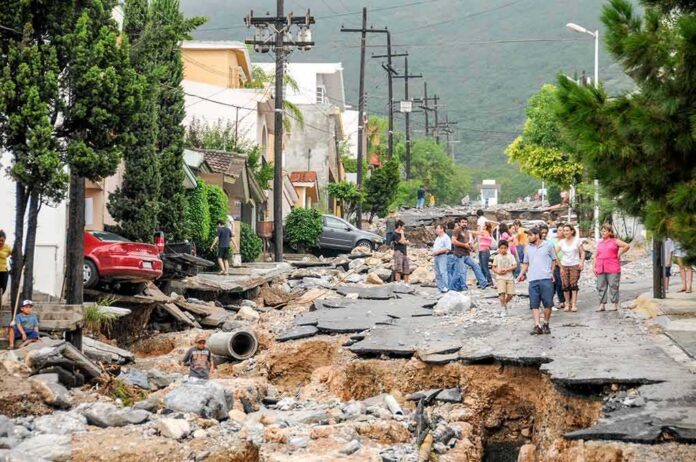
Lebanese officials and major news outlets reported deadly Israeli airstrikes across southern Lebanon. Reports named the villages of Ansar and Deir El Zahrani among the hardest hit, with at least 11 people killed and nearly 20 wounded in total. Local tallies varied by outlet as information settled after the attacks. The pattern matched earlier flare-ups this summer that saw sudden surges in casualties after nighttime strikes and follow-on bombardments.
Reuters said seven people died in a strike on Ansar, while four others were killed in nearby Deir El Zahrani. The same reporting placed the overall injured at 19. The National News Agency also cited injured civilians at both sites. Other outlets listed similar totals, with some counting 20 wounded as hospitals processed cases overnight and into the morning. Authorities said rescue crews worked through rubble to reach trapped residents.
Who Was Targeted And Why It Matters
Lebanese health officials identified civilians among the dead, saying the Ansar toll included children and women. These details fit earlier incidents this year where responders and local officials also reported civilian harm. Israel has argued that its aircraft strike Hezbollah targets and logistics nodes in the south. British Broadcasting Corporation reporting quoted the Israel Defense Forces as saying it hit “terrorist infrastructure” after Hezbollah fired dozens of projectiles across the border in a prior round.
Casualty lists often mix civilians and suspected fighters, and early reports do not sort each case. That ambiguity fuels anger on both sides of the border. Families see homes destroyed and loved ones killed. Israeli officials cite incoming fire and cross-border threats. In past weeks and months, wire services have recorded repeated exchanges even during periods labeled as ceasefires, with large spikes in deaths when strikes cluster over a few hours.
How This Fits The Wider Conflict Pattern
June saw several bursts of violence after a ceasefire went into effect. Reuters reported at least 20 killed in Lebanon in one day of Israeli strikes, adding to fears that lulls can break without warning. Earlier in June, separate strikes in the south killed at least 13, and a May strike killed at least seven. Each event pushed more people to flee villages and strained local clinics, repeating a cycle now common along the border.
At least 11 people have been killed in Israeli airstrikes on Nabatieh and nearby towns in southern Lebanon, according to local authorities.
The strikes, which continued from Sunday night into Monday morning, also damaged a hospital, while rescue teams search for survivors. pic.twitter.com/IYcYwhkROZ
— Palestine Highlights (@PalHighlight) September 7, 2026
The stop-start nature of fighting keeps risk high for families and first responders. When rockets, drones, or shells fly, follow-on strikes often hit assembly points, roads, or buildings tied to transport or command. That raises the chance that paramedics, neighbors, or people returning to check damage are caught in later blasts. This latest set of strikes again hit populated areas where homes and shops sit near suspected militia sites, forcing civilians to live with constant danger.
Why Americans Should Care
U.S. policy, aid, and diplomacy all run through this conflict zone. When violence surges, energy markets can jump, shipping can slow, and refugee flows can rise. Those shocks reach American wallets through higher fuel costs and supply delays. Veterans and military families also watch closely when the region heats up. Clarity about what happened, where, and why helps citizens judge whether leaders are steady, honest, and using U.S. leverage to reduce harm and prevent a wider war.
Sources:
reuters.com, english.wafa.ps, english.news.cn, bbc.com, latimes.com, theguardian.com
© nationalusnews.com 2026. All rights reserved.