
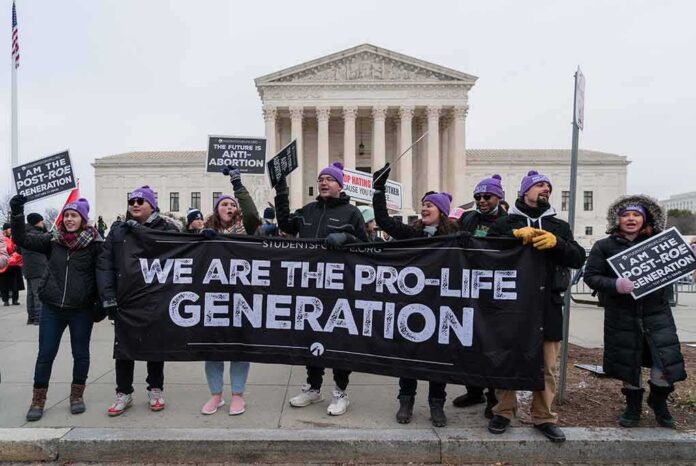
Frank Pavone told Christians the election choice is “easy” and urged them to vote, organize, and defend unborn children, sharpening a faith-based push to turn out voters before November.
Story Snapshot
- Pavone called on Christians to study party differences, protect families and the unborn, and vote.
- His ProLifeVote.com site offers voter guides, registration help, and mobilization tools.
- He framed elections as “team” contests and pressed turnout to secure pro-life policies.
- Coverage highlighted his contrast between one side’s “achievements” and the other’s plans to undo them.
Faith-Based Call To Vote And Mobilize
On a conservative news site, Frank Pavone urged Christians to study issues, compare parties, defend families and the unborn, and get out the vote. He wrote that voting helps protect children and their future, and he described the choice as “easy.” The message aimed to rally churchgoing voters ahead of election day. It stressed action, not pause, arguing that civic duty includes organized turnout and education across communities and congregations.
Pavone’s message fits a years-long pattern in his work. He has delivered election-themed talks since at least 2020, including homilies that pair pro-life teaching with civic engagement. His recent push continued that theme by tying moral arguments about unborn life to concrete steps for voting and mobilizing others. The consistent thread is simple: participation matters, and moral conviction requires civic action that shows up in registration, turnout, and neighbor-to-neighbor outreach.
Tools And Tactics Behind The Appeal
Pavone pointed supporters to ProLifeVote.com, a hub that posts voter information, registration links, and outreach guides. The site urges people to educate neighbors, vote in primaries and general elections, and form local teams. It frames politics as a contest among “teams” and claims turnout is decisive. It also advertises comparison materials about candidates and parties, designed to channel values into choices on the ballot and to boost participation in close races where margins are thin.
An interview days before the election reinforced the same contrasts and goals. Pavone highlighted what he called a record of achievements on one side and efforts to halt or reverse them on the other. He again promoted the website as a one-stop resource for voters and volunteers. The coverage portrayed an urgent push to lock in policies by winning elections. It focused on turnout as the lever that moves results when the broader public is disengaged or undecided late in the cycle.
Where Conviction Meets Compliance And Limits
The pitch targets Christians across denominations who view unborn life as a first-order issue. It directs that conviction into learning, talking, and voting together. That approach speaks to a wider frustration many Americans feel: leaders talk past families while problems pile up. Pavone’s team-first language channels that sentiment into coordinated action, seeking to convert moral focus into measurable participation in districts and states where turnout could decide outcomes.
The materials document exhortation and infrastructure but do not show verified turnout lifts or policy impacts tied to this effort. They also do not supply an issue-by-issue method for weighing abortion against other concerns voters may hold. That leaves open questions about strategy in mixed-issue races. Separate federal guidance explains that religious charities must avoid endorsing or opposing specific candidates, even while they conduct voter education and registration within the rules. The line concerns candidate advocacy, not civic participation itself.
Why This Matters Beyond One Ministry
Religious voter drives are common in American politics and can shape a meaningful slice of the electorate. One national study found that messages from conservative Christian organizations have influenced a notable minority of voters across different communities. That influence often depends on local context, social networks, and media reach. In tight races, even small shifts can matter. Pavone’s plan tries to harness that edge by pairing moral urgency with simple tools that lower the cost of taking action.
Pro-life Leader Frank Pavone, National Director, Priests for Life: My Election Message to the Body of Christ: Rise Up! The Choice in This Election Is Easyhttps://t.co/O3KRhUlZEd
— anne (@anneMeritBay) November 1, 2026
The country remains split on many issues, and trust in national leaders is low. Voters on the right and left often feel that elites protect their own power while families struggle. Efforts like this speak to that frustration by urging people to take control where they can: learn, organize, and vote. Whether one agrees with Pavone’s priorities or not, the practical lesson is the same. In a close election, the group that shows up together usually shapes what comes next.
Sources:
thegatewaypundit.com, prolifevote.com, afn.net, youtube.com, priestsforlife.org, en.wikipedia.org
© nationalusnews.com 2026. All rights reserved.