Washington approved a $24.3 billion plan to let Saudi Arabia buy 48 F-35 stealth jets, even as an intelligence warning says China could learn from the program.
Story Snapshot
- The State Department notified Congress of a possible sale of 48 F-35s to Saudi Arabia.
- Officials say the sale will not change the region’s military balance and supports U.S. goals.
- A reported Defense Intelligence Agency memo warns Chinese access risks through Saudi networks.
- Congress will review the deal, where security and technology questions may drive debate.
What Was Approved and Why It Matters
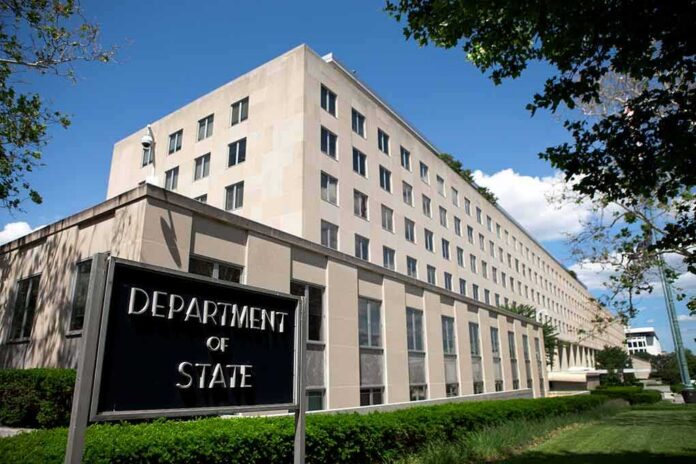
The State Department formally told Congress it supports a possible sale of 48 F-35 Lightning II fighters to Saudi Arabia, with 49 Pratt and Whitney F135 engines and support gear. The government put the total price at about $24.3 billion. Officials said the package helps Saudi Arabia defend its territory and work better with U.S. and allied forces. The notice stated the transfer would not change the region’s military balance, a key legal and political test for such deals.
The notification stage begins a period when lawmakers can raise questions or try to block the deal. It is not a signed contract, and delivery would take years. Supporters argue the jets improve shared defense against drones, cruise missiles, and hostile states. They also say flying the same aircraft improves training, data links, and tactics with U.S. and North Atlantic Treaty Organization partners. The notice says Saudi forces can absorb and use the system effectively.
The Intelligence Warning on China Risk
A reported Defense Intelligence Agency assessment flagged a different risk. It warned that Chinese military links and Chinese-made telecom gear inside Saudi Arabia could expose sensitive F-35 data. The reported warning focused on possible Chinese access to bases, the use of Huawei and ZTE equipment in local networks, and whether the United States and Saudi Arabia can secure sites tied to the jet. The report’s details were described by named outlets, but the memo itself is not public.
Accounts of the warning say limiting access to F-35 facilities to Saudi and American personnel and contractors would be vital. They also describe concern that data paths for maintenance and mission systems could touch networks with Chinese components. That could risk collection of radar or electronic-warfare signatures. These claims raise a clear policy test: how to keep the aircraft’s most guarded information separate from any system China can see or touch.
Competing Claims About Regional Balance and Security
The State Department’s position says the sale supports U.S. security aims without shifting the region’s balance. That phrase appears often in Middle East sales and anchors legal duties tied to Israel’s edge. It does not, however, show the model behind the claim to the public. There is no released study of sortie rates, weapons, basing, training, or timelines. That lack of public detail leaves room for critics to press for conditions or even a pause during the review.
Debate will likely split along familiar lines. Backers see deterrence, shared burden, and jobs at home. Skeptics see risks of escalation and a chance that sensitive U.S. tech could leak. Both sides can agree on one point: security controls must be real, testable, and enforced. Clear limits on who gets access, removal of risky network gear near the jets, and strict end-use monitoring would answer core concerns if they are written into the deal and checked over time.
Sources:
19fortyfive.com, govinfo.gov, state.gov, congress.gov, everycrsreport.com
© nationalusnews.com 2026. All rights reserved.