A secret pipeline threatens to undermine U.S. casinos by linking Chinese gamblers and cartel cash, drawing significant regulatory scrutiny and concerns about organized crime.
Story Snapshot
- U.S. casinos allegedly facilitate Chinese organized crime money laundering.
- Junket operators play a crucial role in this illicit pipeline.
- Regulators continue to investigate ties to drug cartels and money laundering.
- Potential long-term impacts on the global gambling industry.
Allegations of Money Laundering in U.S. Casinos
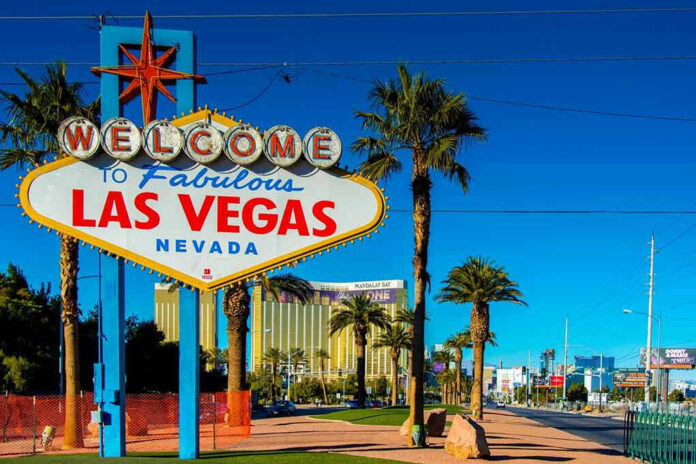
Major U.S. casino operators, particularly Las Vegas Sands Corporation, face allegations of facilitating a secret pipeline for Chinese gamblers and organized crime syndicates. This network allegedly moves illicit funds through Macau and Las Vegas casinos, with junket operators acting as middlemen. These operators are often linked to Chinese triads, who have a long history of involvement in Macau’s gambling industry. The U.S. Department of Justice and the Securities and Exchange Commission are investigating these ties, focusing on potential money laundering and illegal gambling activities.
The involvement of junket operators, middlemen who bring high-rolling Chinese gamblers to casinos, is central to this issue. Historically, these operators have been linked to organized crime, providing a conduit for illicit funds. The pipeline reportedly enables cross-border capital flight, with some evidence suggesting connections to drug cartels and other criminal enterprises. Despite these serious allegations, some casino operators, like Las Vegas Sands, continue to deny any wrongdoing.
Historical Context and Stakeholder Dynamics
Macau, a former Portuguese colony, has been a gambling hub since the 1960s, with triad societies deeply entrenched in its casino industry. The end of the local monopoly in 2002 led to increased competition, further entrenching triad influence. U.S. casino operators, such as Las Vegas Sands, MGM, and Wynn, expanded into Macau and Las Vegas, adopting the junket model. The reliance on junket operators to attract high-rolling Chinese gamblers has embroiled these companies in ongoing regulatory scrutiny.
Key stakeholders include major U.S. casino operators and junket operators, who are motivated by profit maximization. However, their activities have drawn the attention of U.S. regulators, who aim to prevent money laundering and illegal gambling. The power dynamics between these groups highlight the complexities of addressing organized crime in the global gambling industry.
Impact and Regulatory Challenges
The ongoing investigations have significant implications for the gambling industry. Short-term effects include increased regulatory scrutiny and potential financial penalties for casino operators. Long-term, these developments could lead to changes in casino operations and increased regulation of junket operators. This situation also raises awareness of the link between organized crime and the gambling industry, placing pressure on governments to address these issues more effectively.
The broader impact on the gambling industry could involve increased regulation and scrutiny, prompting a reevaluation of business practices. The financial sector may also see an increased focus on anti-money laundering measures, while law enforcement will likely prioritize resources to tackle organized crime and illegal gambling. These challenges underscore the need for comprehensive reforms to ensure the integrity of the global gambling industry.
Sources:
ABC News. “Watchdog: Mob Ties at Chinese Casinos Owned by US Firms?”
Jamestown Foundation. “City of Vice: Macau, Gambling, and Organized Crime in China.”
UNLV Research. “Sovereignty and Gaming in Macau.”