
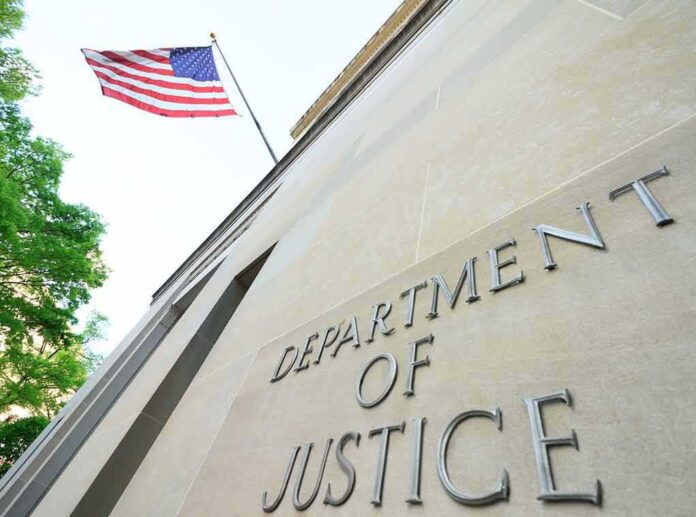
The Justice Department asked to disqualify the judge after hundreds of trees were cut at a federal golf course, turning a local fight into a national test of power between courts and the executive branch.
Story Snapshot
- Justice Department says the tree-removal plan was separate from the redesign under dispute.
- Judge Ana Reyes halted further tree cutting and set strict notice limits on course changes.
- Reports say officials removed 430 to 529 trees before full court review, fueling emergency orders.
- Recusal law typically requires more than harsh rulings; it requires signs of true bias from outside the case.
What Sparked The Clash At East Potomac
Reports say federal officials cut down hundreds of trees at East Potomac Golf Links in Washington, D.C., while a lawsuit over a planned redesign was still pending. Plaintiffs rushed to court, arguing the removals would cause lasting harm to a historic landscape. U.S. District Judge Ana Reyes stepped in and temporarily halted more cutting. She also demanded notice before any irreversible course changes. Media tallies put the removed trees between about 430 and 529.
Justice Department lawyers told the court the National Park Service tree work was routine maintenance and not part of the broader redesign under challenge. They argued the restoration was a separate agency decision that fell outside the case’s scope. That framing matters because courts decide only the dispute before them. If the judge halted activity not actually at issue, the government gains ground to push back on the order and its reach.
Why The Judge Imposed A Halt
Reyes extended a pause on more tree removal and set rules that required three business days’ notice before any irreversible changes to permanent features. Coverage also says the order reached routine maintenance when it could alter the course in a lasting way. The judge’s 21-page opinion treated the tree-management plan as a final agency action that courts can review, even as the larger redesign remained only a concept at that time.
Reyes weighed classic injunction factors and found likely harm without a pause. She credited claims that more cutting could change a historic setting in ways that could not be undone. She also found the plaintiffs likely to succeed on their National Environmental Policy Act claim, which said the government did not study environmental impacts enough before acting. Those findings gave her legal footing to issue time-limited restraints on further work.
What The Disqualification Push Really Means
Reporting says the Justice Department moved to disqualify Reyes after heated hearings and sharp language from the bench. But the public record available so far does not include the government’s actual motion, its legal standard, or the specific facts it cites. That gap limits what we can verify about the request itself. Without the filing, we cannot assess claimed bias, the statutes invoked, or the precedents the department says apply.
Recusal law sets a high bar. The Supreme Court has said that strong words or tough rulings during a case rarely support disqualification on their own. The usual test asks whether a reasonable person would doubt the judge’s fairness, often due to bias from outside the courtroom. Case-based disagreement is normally for appeal, not recusal. That line protects the process from turning courtroom disputes into judge-shopping.
How This Fits A Larger Pattern Of Government Trust Erosion
This fight taps shared concerns across the political spectrum. People on the right see a federal judge second-guessing agency work and slowing promises of change. People on the left see agencies moving fast, with limited notice, and cutting hundreds of trees before full review. Many Americans see both sides as proof that insiders bend rules, talk past each other, and leave the public with the bill and the mess. That is how trust drains, one rushed decision at a time.
What To Watch Next
Watch for the disqualification motion to appear on the docket with full detail. The filing will show whether the government points to true bias, or mainly to scope and process fights better suited for appeal. Also watch for any National Park Service decision memos, notice records, and approvals. Those documents could confirm whether the tree plan was truly separate, or instead one step in a larger redesign that should have paused for review.
Sources:
redstate.com, abcnews.com, inquirer.com, newsweek.com, washingtonexaminer.com
© nationalusnews.com 2026. All rights reserved.