
Spain’s recent crackdown on a human trafficking network has revealed the complex and international nature of smuggling operations targeting vulnerable Yemeni migrants.
Story Snapshot
- Spanish police dismantled a network smuggling Yemenis into the UK and Canada.
- The operation involved fake passports and refugee documents from Greece.
- Yemen’s humanitarian crisis is fueling migration despite strict border controls.
- The network’s dismantling highlights ongoing challenges in international border security.
Smuggling Network Dismantled
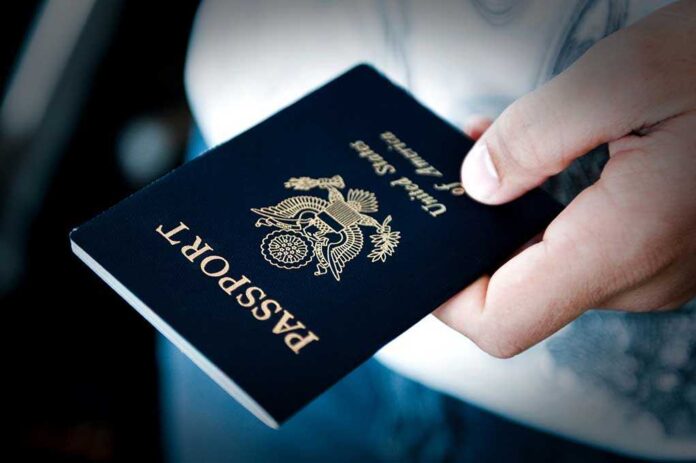
Spanish police have successfully dismantled a transnational smuggling ring that specialized in transporting Yemeni migrants to the United Kingdom and Canada. Authorities uncovered that the network used fake passports to facilitate illegal entries, taking advantage of refugee documents initially obtained in Greece. This operation underscores the pressing issue of organized crime exploiting migration vulnerabilities, particularly for those escaping the dire humanitarian situation in Yemen, as reported by the Insider Paper.
The network’s operations spanned several countries, making it a significant international challenge. Migrants, after acquiring refugee status in Greece, were provided with counterfeit passports at European airports, allowing them to bypass stringent border controls in the UK and Canada. This sophisticated smuggling method highlights the growing professionalism within these criminal networks, which adapt rapidly to enforcement efforts.
Humanitarian Crisis and Migration
Yemen’s ongoing conflict and humanitarian crisis continue to drive many of its citizens to seek asylum in safer regions. The UK and Canada remain attractive destinations due to their perceived safety, economic opportunities, and established diaspora communities. As such, despite the dismantling of this particular network, the demand for smuggling services remains high. The challenge for law enforcement is balancing humanitarian obligations with the need to secure borders and dismantle these networks.
The English Channel has become a key route for irregular entry into the UK, with over 160,000 migrants attempting to cross since 2018. This surge has been attributed to increased enforcement on other routes and the rise of professional smuggling networks, leading to risky crossings and document fraud.
Challenges in Border Security
The dismantling of the smuggling ring is a victory for Spanish authorities, but it also underscores the broader challenges faced by European and North American countries. The reliance on forged documents and complex logistics by these networks makes it difficult to predict and prevent illegal entries. The UK Home Office has been vocal about its efforts to tighten border security and disrupt smuggling operations, yet the high numbers of asylum applications and small boat crossings persist.
Moreover, the high asylum grant rate for those arriving via small boats suggests many are genuine refugees, complicating a purely enforcement-based approach. Experts advocate for coordinated international responses that address root causes of migration, such as conflict and persecution, while also dismantling the criminal networks that exploit these vulnerabilities.
Future Implications
The short-term impact of dismantling this network might be a temporary reduction in irregular migration through this specific route. However, as long as instability persists in countries like Yemen, the pressure on asylum systems is unlikely to abate. Migrants may resort to more dangerous routes, increasing their risk of exploitation or harm.
For local communities in destination countries, sudden influxes of migrants can have social and economic impacts, while law enforcement resources are stretched thin by ongoing enforcement and humanitarian response efforts. The debate over migration remains a contentious issue, influencing political discourse and policy decisions in the UK and beyond.
Sources:
Migration Watch UK Channel Crossing Tracker
Migration Observatory, University of Oxford
Migration Observatory, University of Oxford Briefing
UK Government Channel Crossing Data