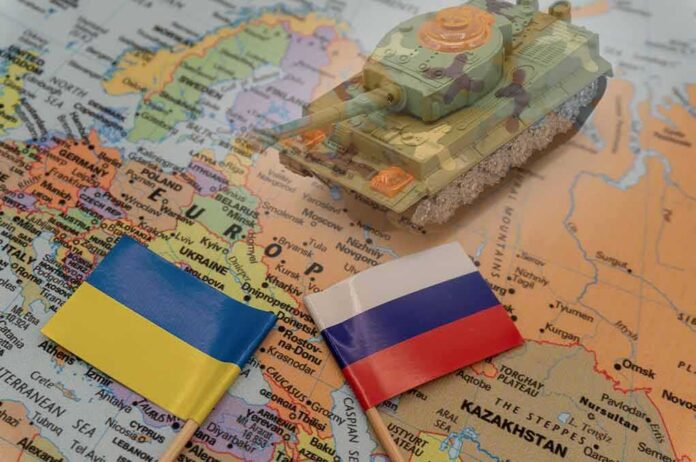
North Korea’s plan to send 30,000 additional troops to support Russia’s invasion of Ukraine creates an unprecedented foreign military alliance that directly threatens Western interests and Ukraine’s sovereignty.
Key Takeaways
- North Korea is planning to triple its military presence in Ukraine, sending 30,000 more troops to support Russia’s offensive operations
- Moscow has already deployed approximately 12,000 North Korean soldiers in the Kursk region and is preparing for a large-scale assault near the Sumy region
- Russia claims it can fully equip and arm the North Korean troops, signaling a deepening military alliance between the two nations
- Approximately 600 North Korean soldiers have already been killed in the Ukraine conflict, with thousands more wounded
- This deployment represents a significant escalation in the international dimension of the Ukraine war and undermines Western sanctions
North Korea’s Expanding Military Commitment
Intelligence reports indicate that North Korea is preparing to send 30,000 additional troops to aid Russia in its invasion of Ukraine, dramatically increasing its current commitment of nearly 12,000 soldiers already fighting in the Kursk region. This significant troop surge would bring North Korea’s total military contribution to approximately 42,000 personnel, making it one of the largest foreign military contingents supporting Russia’s war effort. The deployment appears imminent, with South Korea’s National Intelligence Service (NIS) reporting suspicious activity, including the arrival of a large ship and cargo aircraft at North Korea’s Sunan airport, mirroring patterns observed during last year’s initial troop deployment.
Russia’s Ministry of Defense has reportedly assured Pyongyang that it can provide all necessary training, equipment, weapons, and ammunition for the North Korean forces. This deepening military cooperation represents a troubling alliance between two nations heavily sanctioned by the West, effectively circumventing international pressure designed to isolate both regimes. The arrangement appears to benefit both parties, with Russia gaining much-needed manpower for its faltering Ukraine campaign, while North Korea likely receives military technology, economic support, and international legitimacy in return for its blood sacrifice.
North Korea is set to significantly increase its military support for Russia’s war against Ukraine by deploying an additional 25,000 to 30,000 soldiers, potentially tripling its current troop presence.https://t.co/fUjAbVy4Kb
— The New Voice of Ukraine (@NewVoiceUkraine) July 2, 2025
Strategic Implications for the Ukraine Conflict
Moscow is reportedly preparing for a large-scale assault on Ukraine, potentially focused on the Sumy region, where Russia has amassed approximately 50,000 troops along the border. The addition of 30,000 North Korean soldiers would significantly enhance Russia’s offensive capabilities, potentially allowing for the establishment of a security buffer zone as part of Moscow’s broader strategic objectives. This development represents a dangerous escalation in the conflict, particularly as Western nations continue to limit their military support to Ukraine while adversaries like North Korea commit substantial forces to the battlefield.
The human cost of North Korea’s involvement has already been substantial, with approximately 600 North Korean soldiers killed and thousands more wounded in combat operations. Despite these losses, the alliance between Moscow and Pyongyang continues to strengthen. North Korean leader Kim Jong Un has publicly acknowledged the military partnership and even paid tribute to fallen North Korean soldiers, signaling that the relationship has transcended mere tactical cooperation and evolved into a strategic alliance that directly challenges Western security interests and Ukraine’s sovereignty.
Global Diplomatic Consequences
This unprecedented level of North Korean military involvement in a European conflict fundamentally alters the geopolitical landscape and presents significant challenges for President Trump’s administration. The deployment of North Korean forces into Ukraine represents a clear violation of multiple United Nations resolutions and sanctions regimes, yet the international response has been notably muted. This military alliance demonstrates the limits of Western sanctions and isolation strategies against determined adversaries willing to cooperate with each other despite international pressure.
The deepening military partnership between Russia and North Korea also raises serious concerns about potential technology transfers and weapons proliferation. By gaining battlefield experience in Ukraine, North Korean forces will return home with valuable tactical knowledge and possibly advanced Russian military technology, further destabilizing the security situation in East Asia. This development underscores the interconnected nature of global security challenges and highlights how failure to decisively address Russian aggression in Ukraine has emboldened other adversaries to more openly challenge the Western-led international order.