University of Rochester scientists transfer a naked mole rat longevity gene to mice, extending their lifespan by up to 12.2% while slashing cancer rates—could this breakthrough finally deliver real anti-aging wins for everyday Americans weary of empty promises?[1][3]
Story Highlights
- Mice with the naked mole rat nmrHAS2 gene lived 4.4% longer on average and 12.2% at maximum lifespan.[1][2][3]
- nmrHAS2 mice showed a 34% drop in cancer incidence, plus protection from spontaneous tumors and chemically induced skin cancer.[1][2][3]
- Gene boosted high molecular mass hyaluronan levels in mouse organs, cutting inflammation and frailty for better healthspan.[1][2][3]
- Findings from 2023 Nature study prove longevity mechanisms can transfer between mammal species.[2][3]
Breakthrough Gene Transfer Extends Mouse Lifespan
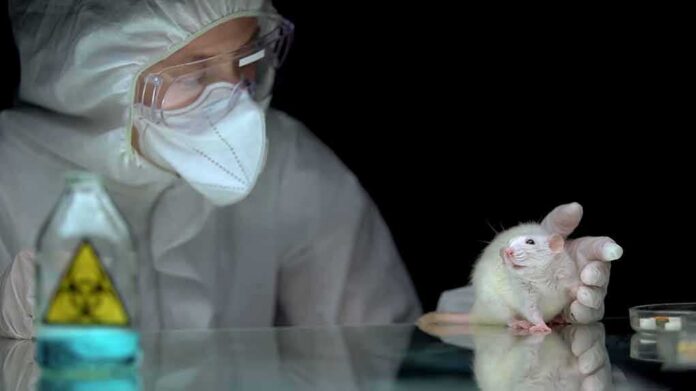
University of Rochester researchers inserted the naked mole rat hyaluronan synthase 2 gene, called nmrHAS2, into mice.[1][3] These transgenic nmrHAS2 mice produced higher levels of high molecular mass hyaluronic acid (HMM-HA) in organs including muscle, kidney, and intestines.[1][2] Naked mole rats naturally generate abundant HMM-HA, which shields them from cancer and supports their exceptional longevity.[2][3] The modified mice achieved a 4.4% increase in median lifespan and a 12.2% boost in maximum lifespan compared to controls.[1][2][3]
Lead researcher Vera Gorbunova noted this provides proof that longevity adaptations from long-lived species can transfer to shorter-lived mammals.[3] The study, published in Nature, marks the first direct evidence of exporting such a gene across species.[2][3] For Americans facing skyrocketing healthcare costs under past administrations, this hints at practical paths to healthier aging without endless Big Pharma pills.
Cancer Resistance and Healthspan Improvements
nmrHAS2 mice exhibited a 34% reduction in cancer incidence among older individuals versus unmodified mice.[1][2][3] They resisted both spontaneous tumors and those induced by chemicals, like skin cancer.[3] HMM-HA directly combats cancer by regulating immune cells and protecting against oxidative stress.[2] Inflammation, a key driver of age-related decline, dropped across multiple tissues in these mice.[2][3]
Frailty index scores, which measure physical deterioration in tissues and organs, stayed lower in aged nmrHAS2 mice.[1][3] They maintained healthier guts and overall function, extending healthspan—the years lived in good condition.[1][2] This counters the frailty epidemic hitting seniors, strained further by prior policies inflating medical burdens on families.
Cautions Amid Hype and Path Forward
While promising, the 4.4% median extension pales against interventions like caloric restriction, which extend mouse life by 20-40%.[1] No human trials exist; claims of direct applicability to people rely on mouse data alone.[2] A 2025 preprint noted nmrHAS2 mice lacked protection from age-related hearing loss, showing limits.[2] Sample sizes and full methods remain undisclosed in summaries, urging replication.[1][3]
Scientists at the University of Rochester pulled off a remarkable experiment: they transferred a longevity-related gene from the famously long-lived naked mole rat into mice, and the mice ended up healthier and lived longer. The special gene boosts producthttps://t.co/HZsL7oDyGn
— Michael W. Deem (@Michael_W_Deem) May 10, 2026
Media hype risks disillusionment, framing modest mouse gains as “eternal youth.” True progress demands independent labs verifying results with larger mouse cohorts, human cell tests, and primate studies.[1][2] Under President Trump’s second term, prioritizing such targeted science over wasteful globalist programs could deliver longevity gains rooted in American innovation and self-reliance.
Sources:
[1] Gene from Naked Mole Rat Extends Mouse Lifespan – NMN.com
[2] Scientists Successfully Transfer Longevity Gene, Paving the Way for …
[3] Longevity gene from naked mole rats extends lifespan of mice