A lawsuit by an Alaska Airlines pilot highlights Boeing’s alleged scapegoating, raising concerns about accountability in aviation safety.
Story Overview
- Captain Brandon Fisher files a lawsuit against Boeing for unfair blame.
- The incident involved a door plug panel blowout on a Boeing 737 MAX 9.
- NTSB investigation attributed the failure to missing bolts from manufacturing.
- Fisher’s lawsuit challenges Boeing’s deflection of liability.
Captain Fisher’s Heroic Response and Lawsuit
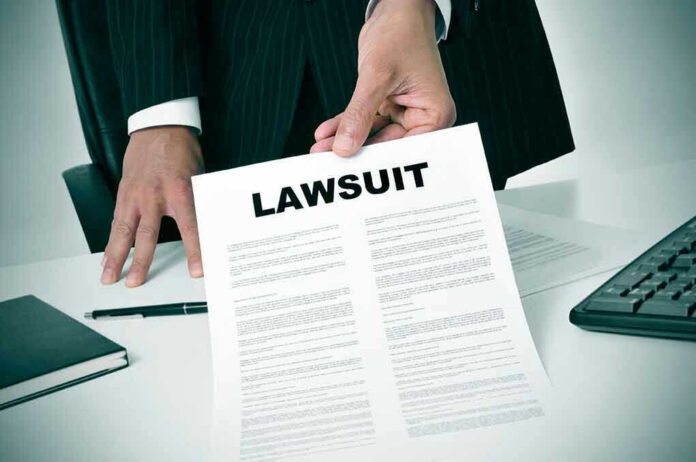
On January 5, 2024, Captain Brandon Fisher of Alaska Airlines Flight 1282 displayed exceptional skill and composure when a door plug panel blew out mid-flight on a Boeing 737 MAX 9. The incident, which could have resulted in a disaster, led to only minor injuries among the 177 passengers and crew aboard. Despite being praised by the NTSB, FAA, and Boeing executives for his actions, Fisher has now filed a lawsuit against Boeing, alleging the company unfairly blamed him and his crew to deflect liability.
The lawsuit, filed in an Oregon court, comes after an NTSB investigation concluded that the incident was caused by missing bolts in the door plug, a manufacturing error attributed to Boeing and its supplier, Spirit AeroSystems. Fisher’s legal action is a rare move, as pilots typically do not sue manufacturers, especially when they are uninjured. However, Fisher argues that Boeing’s legal filings unjustly shifted blame to him, despite the NTSB’s findings exonerating the crew.
Boeing’s Manufacturing Issues and Regulatory Scrutiny
The blowout incident is part of ongoing scrutiny surrounding Boeing’s 737 MAX 9 production issues. The missing bolts were reportedly removed during repairs and not reinstalled, leading to the door plug’s failure after 154 flights. This oversight highlights broader quality control problems, reminiscent of the prior MAX crashes in 2018 and 2019. The FAA fined Boeing $3.1 million for violations, and the company faces multiple passenger lawsuits, further complicating its legal landscape.
Boeing’s response to the incident has been muted, with no direct comment on Fisher’s lawsuit. The company has been working to improve safety standards and production processes, especially following its acquisition of Spirit AeroSystems. However, Fisher’s case puts additional pressure on Boeing to address accountability and transparency in its manufacturing operations.
Implications for Aviation Safety and Industry Standards
Fisher’s lawsuit could set a precedent for how pilots and flight crews hold manufacturers accountable for safety failures. The case underscores the critical importance of thorough manufacturing checks and balances, as well as the need for clear attribution of responsibility when incidents occur. For Boeing, the lawsuit represents not only a legal challenge but also a test of its commitment to safety reforms and its reputation in the aviation industry.
The implications of this case extend beyond Boeing and Fisher, affecting the broader aviation community. It raises questions about the balance of responsibility between manufacturers and operators and reinforces the value of pilot training and preparedness in crisis situations. Ultimately, the outcome of this lawsuit could influence how future aviation safety disputes are handled and highlight the need for stringent quality control measures.
Sources:
Alaska Airlines pilot safely landed plane after panel