A single waterway carrying one-fifth of the world’s oil supply has been thrown into chaos — and every American who drives a car or pays a heating bill is already feeling the consequences.
Story Snapshot
- U.S. military strikes on Iran, following Iranian attacks on commercial ships, sent oil prices surging more than 7% in a single day.
- Ship traffic through the Strait of Hormuz collapsed from 100 vessels per day to as few as zero at certain points over the weekend.
- The International Energy Agency calls this the largest oil supply disruption in the history of the global market — roughly 1 billion barrels lost since late February.
- Oil prices drop sharply when diplomacy advances and spike when fighting resumes, showing how fragile the situation remains.
Strikes Reignite a Crisis That Was Already Breaking Records
U.S. Central Command confirmed it launched strikes against Iran after Iranian forces attacked three commercial vessels transiting the Strait of Hormuz. Central Command called Iran’s actions “unwarranted, dangerous, and a clear violation of the ceasefire.” The strikes pushed Brent crude oil up 7.6% to $78.41 per barrel, while U.S. West Texas Intermediate crude rose 7.4% to $72.01 — both hitting new peaks for the year. That was just the latest jump in a market that has been on edge since late February.
The conflict, which began in late February, has sent Brent crude prices up more than 50% overall. At its peak, prices reached $120 per barrel. The International Energy Agency has labeled this the “largest supply disruption in the history of the global oil market,” estimating a loss of roughly 1 billion barrels since the fighting started. That is not a number that exists in a vacuum — it shows up at gas stations, in grocery store prices, and in heating and cooling bills for ordinary Americans.
The Strait of Hormuz: A Chokepoint the World Cannot Afford to Lose
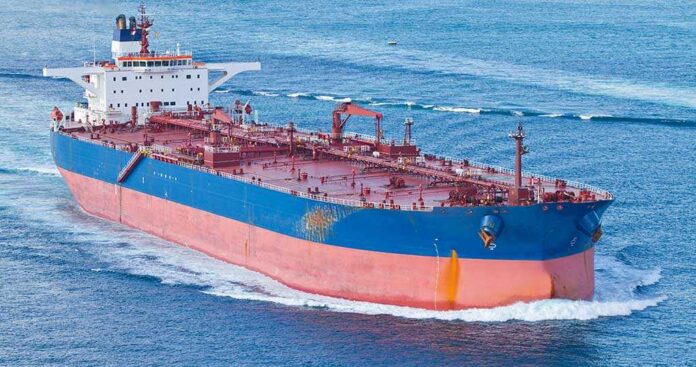
The Strait of Hormuz is a narrow waterway between Iran and Oman. About 20% of all the world’s oil passes through it every day. When fighting flares, ships stop moving. Over one weekend, traffic fell from the normal 100 ships per day down to just 21 — and at certain hours, no ships entered the strait at all. Shipping giant Maersk halted all operations through the strait, citing safety concerns. More than 200 oil and liquefied natural gas tankers anchored outside the waterway, waiting for conditions to improve.
The U.S. Treasury Department also revoked a waiver that had allowed Iran to continue selling its oil, adding economic pressure on top of the military strikes. Iran was still exporting roughly 1.3 million barrels per day at reduced levels, down from earlier in the conflict — meaning the disruption is serious but not a total cutoff. Still, analysts at Goldman Sachs estimated a risk premium of up to $14 per barrel baked into prices, reflecting what traders demand just to compensate for the danger of shipping oil through a war zone.
Markets Swing With Every Diplomatic Signal
One clear pattern has emerged: oil prices move fast in both directions depending on what happens at the negotiating table. When Iran announced the strait would be “completely open” during a ceasefire, prices dropped sharply. When the U.S. launched fresh strikes or President Trump threatened more action, prices jumped again. JPMorgan noted that Brent crude briefly breached $100 per barrel as commercial traffic came to a standstill and Gulf storage filled near capacity. Reuters reported a roughly 7% single-day surge after Trump threatened new strikes.
3/ Strait of Hormuz Energy Shock
Ongoing US-Iran military clashes raise the probability of sustained shipping disruptions through the Strait of Hormuz, which handles roughly 20% of global oil trade and directly feeds into Brent and Australian diesel prices. This channel…
— Paul Hague (@paulhague247) July 13, 2026
For everyday Americans, this back-and-forth is not just a financial news story. Higher oil prices mean higher gas prices, higher shipping costs, and higher prices on nearly everything that gets delivered by truck or plane. The Dallas Federal Reserve warned that when buyers cannot access Persian Gulf oil, they turn to other suppliers — and that competition pushes prices up worldwide. Whether the conflict ends soon or drags on, the damage to household budgets is already done, and the people least able to absorb it are the ones hit hardest.
Sources:
cnbc.com, aljazeera.com, en.wikipedia.org, nytimes.com, finance.yahoo.com, bbc.com, insight.goover.ai
© nationalusnews.com 2026. All rights reserved.