A Nevada judge dismissed the state’s “alternate electors” case after years of venue fights, ending a high-profile prosecution on procedural grounds rather than a jury verdict.
Story Snapshot
- A Clark County judge dismissed felony forgery-related charges tied to 2020 elector certificates.
- Prosecutors said the six defendants falsely declared President Trump won Nevada’s electoral votes.
- The dispute centered on where the case belonged and how to prove intent.
- The case was part of a wider multi-state fake electors push after 2020.
What the Nevada Court Did and Why It Matters
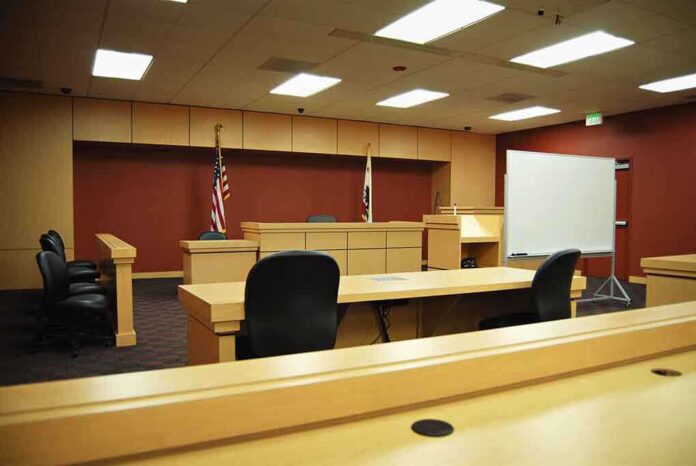
A Clark County judge threw out the charges against six people accused of signing and submitting documents that declared President Trump won Nevada’s 2020 electoral votes. The judge ruled the state filed the case in the wrong county. The alleged acts mainly happened in Carson City and Douglas County, not in Clark County, where Las Vegas sits. The dismissal stopped the case without a jury weighing the facts. Prosecutors appealed the venue ruling soon after.
Nevada’s attorney general described the case as a straightforward forgery matter. The state argued the group “conspired and submitted fake elector certificates” that falsely said Trump won Nevada. The indictment charged two felony forgery-related counts linked to a document titled “Certificate of the Votes of the 2020 Electors from Nevada”. Defense lawyers entered not-guilty pleas. They argued the filings were political acts and said the case was brought in the wrong place.
The Legal Fights: Venue and Intent Took Center Stage
Venue drove the early outcome. The judge said Nevada law required filing where the acts occurred. Because key steps happened outside Clark County, the court dismissed the case there. Separately, intent became a flashpoint. A later hearing showed the court pressing prosecutors on whether the electors believed their documents would persuade officials, which is a high bar for one charge. That back-and-forth shows why document cases often hinge on location and state of mind, not only the text itself.
Appeals kept the door open. The Nevada Supreme Court later held the case could proceed in Clark County, preserving a path for prosecutors in Las Vegas. That ruling countered the original venue decision and allowed the case to resume in the state’s largest county. Still, the early dismissal delayed any fact-finding trial. It also raised time limits that can block refiling in other counties if deadlines have passed, a challenge noted in broader reporting on these cases.
How Nevada Fits the Bigger Post-2020 Picture
The Nevada case is one strand in a multi-state push that followed the 2020 election. A watchdog review in mid-2024 noted that Arizona, Georgia, Michigan, and Nevada brought charges tied to alternate elector efforts, while some other states did not charge anyone at that time. The United States Supreme Court, in a separate case, described “fraudulent slates of electors in seven targeted states” as part of a wider plan after the election, placing Nevada within a larger pattern rather than an isolated fight.
Judge Dismisses Nevada Trump 2020 Alternate Electors Case After Years of Lawfare https://t.co/os1khSkVVx #gatewaypundit via @gatewaypundit
— Anita is now in Michigan (@Anita_in_Tucson) August 14, 2026
The stakes stretch beyond partisanship. Conservatives see years of prosecutions as proof of political “lawfare.” Liberals see the filings as an attack on the vote. Many Americans see something else: complex cases bogged down by venue rules, intent questions, and deadlines. When big cases turn on procedure, it can feel like process wins and the people lose. That frustration is real. This ruling shows how power, paperwork, and patience often decide outcomes as much as facts in open court.
Sources:
en.wikipedia.org, abcnews.com, nbcnews.com, ag.nv.gov, cnn.com, citizensforethics.org, thenevadaindependent.com
© nationalusnews.com 2026. All rights reserved.