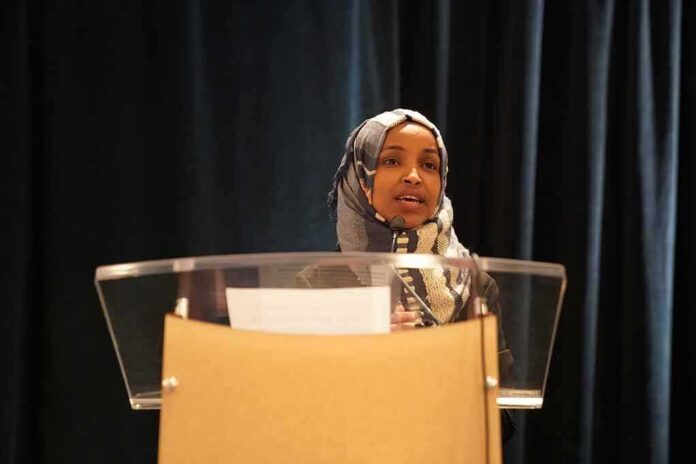
Ilhan Omar’s 2019 comments about “the Benjamins” and AIPAC still matter because they turned one social-media exchange into a national fight over anti-Semitic tropes, lobbying, and the limits of political speech.
Quick Take
- House Democratic leaders condemned Omar’s tweet as using anti-Semitic tropes.
- Omar apologized and said she had learned about anti-Semitic Jewish tropes.
- The House later adopted a resolution condemning her anti-Semitic comments.
- Her defenders say the record also shows criticism of AIPAC and money in politics.
Why The Omar-AIPAC Fight Spread So Fast
BBC, PBS, Politico, and Time all described the February 2019 exchange as a flashpoint that quickly moved beyond one tweet. Omar wrote, “It’s all about the Benjamins baby,” and then named AIPAC when asked where the money was coming from. Critics said that wording echoed a long-used stereotype about Jewish money and political power, while supporters said she was attacking a lobby, not Jews.
The speed of the backlash shows how little room exists in modern politics for sloppy language on Israel and Jewish influence. House Democratic leaders publicly called her remarks anti-Semitic, and the House later adopted H.Res. 241 to condemn them. That made the dispute more than a cable-news fight. It became an official judgment by Congress, which hardened the public narrative around the tweets.
What The Public Record Actually Shows
The strongest evidence against Omar is the text that was already public at the time. Reports say she tied the money question to AIPAC, and later congressional language said the tweets suggested Jewish people were buying political support. Omar also apologized, saying, “I unequivocally apologize,” and said she had learned about anti-Semitic Jewish tropes. Those facts explain why the controversy stuck so hard.
At the same time, the record also supports the narrower defense that she was talking about lobbying power. H.Res. 241 quotes her broader argument that people can speak openly about the NRA, fossil fuel industries, or Big Pharma, but not about a powerful lobbying group. That framing does not erase the criticism, but it does show why some readers saw a money-in-politics attack rather than direct ethnic hostility.
Why The Haley Stevens Angle Matters Less In The Record
The research package gives only a thin record on the Haley Stevens claim. It does not include sworn testimony, campaign documents, or direct proof tying Omar to a coordinated pressure campaign against Stevens. What it does show is a broader political atmosphere where endorsements, donor influence, and pro-Israel lobbying were already treated as explosive issues. That leaves the Stevens strand underdeveloped compared with the AIPAC tweet itself.
What remains clear is the larger pattern. Omar’s critics see the episode as proof that old anti-Jewish ideas can still hide inside modern political language. Her defenders see a warning about how fast criticism of Israel or its allies can be recast as prejudice. Both sides are reacting to the same problem: one short post can trigger a national verdict before the public has the full record.
Sources:
twitchy.com, bbc.com, timesofisrael.com, pbs.org, foxnews.com, en.wikipedia.org, npr.org, time.com
© nationalusnews.com 2026. All rights reserved.