
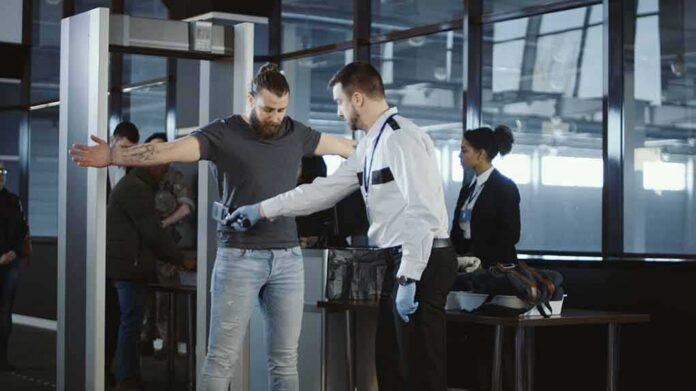
A strike by 14,000 private security officers who guard California’s biggest tech campuses could shutter offices and escalate safety risks as threats rise and talks stall.
Story Highlights
- About 14,000 security officers plan a labor practice strike across Silicon Valley, the Bay Area, and Los Angeles.
- Union demands include a $30 minimum wage, employer-paid family health care, retirement, and job security.
- Talks with major contractors Allied Universal, Securitas, and GardaWorld have dragged on for months.
- Officers cite unfair labor practices; contractors have offered only small raises, according to reporting.
What Is Happening and Who Is Involved
Service Employees International Union–United Service Workers West says roughly 14,000 private security officers are set to strike at sites linked to OpenAI, Anthropic, Google, Meta, Salesforce, and others across California. The union frames the action as a labor practice strike tied to bargaining conduct. The move follows months of talks over a master contract with large vendors, including Allied Universal, Securitas, and GardaWorld, that have not produced a deal, according to local reporting.
Union leaders say officers want a $30 hourly floor, employer-paid family health care, retirement benefits, stronger training, and job protections. Reporting says contractors put forward very small raises over several years, which the union calls inadequate. The union also alleges bad faith tactics during talks. Allied Universal said it supports employees but declined to comment on negotiations. Specific written proposals from each contractor have not been released in full to the public.
Why This Matters for Safety and Operations
Major tech firms rely on contracted guards to keep large, high-profile sites safe. A broad work stoppage could force office closures or scaled operations if companies cannot backfill posts. The risk picture has sharpened as public tensions with tech have grown. While reporting cites rising threats and calls for better training, detailed incident rates for these campuses are not included in the shared record here. That gap limits outside verification of current on-site risk trends.
Wages sit at the center of stability. A University of California, Berkeley analysis places California guards’ median pay a little above $20 per hour, far below the union’s $30 ask. Pay at this level can strain families in high-cost regions and can drive turnover. High turnover can weaken site knowledge and response quality. That cycle can raise safety concerns for both workers and tenants, especially at offices tied to artificial intelligence and other sensitive work.
How Contractors and Tech Brands Are Positioning Themselves
Contracting creates distance between tech brands and the guards at their gates. Google has said in past disputes that it is not the employer and works with union and non-union vendors. That stance shifts bargaining focus to vendors while the public still links the issue to household-name clients. Apple has experimented with direct hiring in the past, suggesting one path to more control over standards. Today, most talks still run through large private security companies.
https://twitter.com/PodiumVC/status/2100035950344573122
Both sides frame stakes in broad terms. The union points to the cost of living, family health coverage, and respect on the job. Contractors cite support for employees but keep bargaining details private. The reporting record here lacks full employer proposals, payroll ledgers, and site-by-site vendor maps. That limits precision on who covers which campus and what exact terms are on the table. Still, the scale of the strike threat alone signals heavy pressure on a key link in tech’s daily operations.
Big-Picture Trend: Outsourcing and the Cost of Security
California has seen decades of outsourcing in property services. University of California studies tie subcontracting to lower wages, more part-time work, and weaker conditions than direct employment. That dynamic shows up again here: guards at valuable campuses say they cannot keep up with rent, health bills, and retirement needs. When trained front-line staff churn out, both safety and service can slip. That shared concern cuts across politics when basic security feels fragile.
What to Watch Next
Timeline and scope decide impact. If officers walk in large numbers, landlords and tenants may reduce hours or close offices until posts are filled. If mediators bring forward a credible wage path, stronger training, and better health coverage, momentum could shift toward a deal. Clearer public data from contractors on pay, benefits, turnover, and training would help test claims on both sides and rebuild trust at sites that millions depend on every week.
Sources:
newspointapp.com, kqed.org, gizmodo.com, juro.com, ere.net
© nationalusnews.com 2026. All rights reserved.