Iran’s brutal regime hanged a 19-year-old wrestling champion in public, ignoring U.S. pleas and crushing a symbol of freedom just as President Trump recommits to confronting Tehran.
Story Highlights
- Iran executed Saleh Mohammadi, a promising freestyle wrestler with an international bronze medal, alongside two others on March 19, 2026.
- Conviction stemmed from alleged involvement in a police officer’s death during anti-regime protests, despite alibi evidence from teammates and coaches.
- U.S. State Department condemned the act as part of Iran’s massacre of youth, echoing the 2020 killing of wrestler Navid Afkari.
- Human rights groups document torture-extracted confessions and rejected due process, amid 53,000 detentions in the crackdown.
Execution Details and Timeline
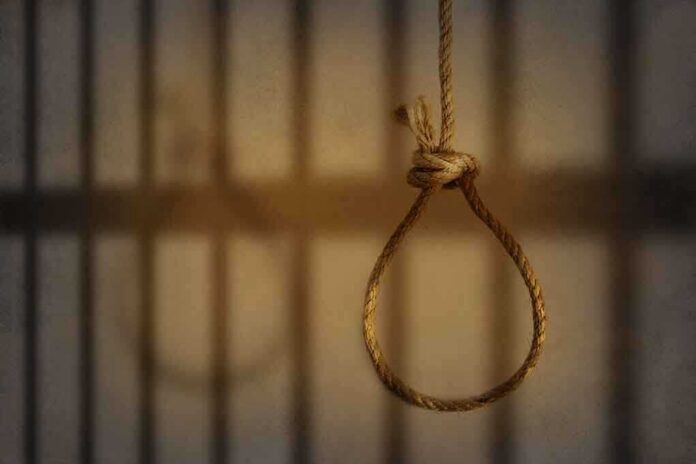
Saleh Mohammadi, 19-year-old freestyle wrestler from Qom, received a death sentence from Qom Criminal Court in early February 2026. Iran’s Supreme Court upheld the ruling under qisas, retribution-in-kind, for the January 8 death of police officer Mohammad Ghasemi Homapour during clashes in Nabovvat Square. Authorities arrested Mohammadi on January 15. On March 19, prison officials hanged him publicly in Qom Central Prison alongside Mehdi Ghasemi and Saeed Davodi. Mohammadi had competed internationally, earning bronze at the 2024 Saytiev Cup in Russia.
Protest Crackdown and Due Process Failures
Nationwide protests erupted in late December 2025 against the regime, leading to over 7,000 protester deaths, 11,000 injuries, and 53,000 detentions. Prosecutors claimed Mohammadi attacked the officer with knives during the Qom clashes. Mohammadi denied involvement, supported by alibi testimony from national team coaches and teammates placing him at his uncle’s house. Surveillance footage showed no matching face. Courts rejected this evidence and accepted his confession, which he claimed resulted from torture. Human rights groups call the trial grossly unfair.
U.S. Response and International Condemnation
The U.S. State Department urged Iran in late January to halt the execution, stating the regime massacres young people and destroys Iran’s future. President Trump’s administration highlights this as evidence of Tehran’s savagery, justifying strong policies against the Islamic Republic. Nima Far, human rights activist and athlete, labeled it blatant political murder and demanded the International Olympic Committee and United World Wrestling suspend Iran’s federations. Amnesty International documented denial of independent counsel and due process violations.
This execution mirrors the 2020 case of Navid Afkari, another wrestler killed for protest ties. Iran’s pattern targets influential youth and athletes to terrorize dissenters. Families face retaliation risks, while hundreds more protesters await similar fates. President Trump’s firm stance offers hope against such tyranny.
Implications for Athletes and Global Response
The killing instills fear in Iranian athletes, signaling execution risks for protest involvement. Sporting bodies face pressure for sanctions, potentially barring Iran from competitions. This reinforces the regime’s control tactics, suppressing voices for freedom. Under President Trump, America stands with oppressed Iranians, prioritizing human dignity over quiet diplomacy. Conservative values demand exposing such barbarism to protect liberty worldwide.
Sources:
GB News: Iran executes wrestling champion Saleh Mohammadi
SportBible: Wrestling execution in Iran
Fox News: Regime executes champion wrestler
Iran International: Execution report
Iran Human Rights: Case documentation