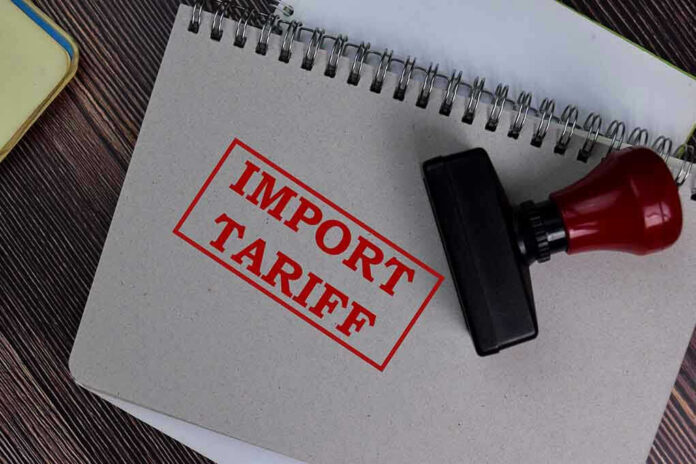
A new 25% tariff targets nations trading with Iran, straining U.S.-China relations and bolstering support for Iranian protesters.
Story Highlights
- Trump announces a 25% tariff on countries trading with Iran, effective immediately.
- Tariff aims to support Iranian protesters amid the regime’s internet blackout.
- China, Iran’s largest trading partner, is significantly impacted by the new tariffs.
- The move deepens U.S.-China tensions while backing Iranian calls for freedom.
Trump’s Tariff Strategy and Its Impact on Iran
On January 13, 2026, President Trump announced a 25% tariff on any country engaging in trade with Iran, effective immediately. This decision comes amid ongoing protests in Iran, where the regime has imposed an internet blackout, making it difficult for information to flow. Trump’s statement on Truth Social, “help is on its way,” signifies his support for the protesters, aligning his America First policy with international human rights advocacy.
The tariff is seen as a strategic move to pressurize Iran by economically targeting its significant trading partners, particularly China. By doing so, Trump aims to weaken Iran’s financial stability and bolster the protesters’ efforts to challenge the Iranian regime. The move also signals a continuation of Trump’s aggressive foreign policy approach, leveraging economic tools to achieve diplomatic and human rights goals.
Broader Implications of the Tariff Imposition
The imposition of tariffs has broader implications for global trade dynamics, especially between the U.S. and China. As Iran’s largest trading partner, China faces substantial economic disruptions due to these tariffs. This move exacerbates existing U.S.-China tensions, which have been fraught with trade disputes and geopolitical rivalries. The tariffs further isolate Iran economically, potentially increasing the regime’s domestic challenges.
The impact on U.S. consumers and businesses may include increased prices for goods due to disrupted supply chains and heightened trade tensions. These economic repercussions are reminiscent of previous tariffs imposed by Trump, which targeted countries like Venezuela and had significant global economic effects.
Supporting Iranian Protesters and Future Prospects
The Iranian protesters, who have faced severe repression from the regime, view Trump’s tariff announcement as a form of international support. With over 2,000 reported deaths and the regime’s attempts to control the narrative through media blackouts, external pressure such as this tariff can embolden the protesters and draw international attention to their cause.
The long-term effects of these tariffs could lead to increased leverage for the U.S. in negotiations with Iran and potentially encourage other nations to reconsider their trade relations with the regime. However, the success of this strategy depends on sustained international support and the ability of the U.S. to mitigate any negative economic fallout domestically.