Reports say U.S. strikes in Somalia and a spike in Somali deportation orders surged this year, raising fresh questions about power used with little oversight.
Story Snapshot
- Investigations describe more than 200 U.S. airstrikes in Somalia during Trump’s second term.
- A Minnesota probe found over 1,000 Somali asylum-seekers ordered deported since February.
- Analysts counted at least 172 militant and civilian deaths from 2025 strikes.
- White House and allies frame the strikes as counterterrorism against al-Shabaab and Islamic State.
Escalation in Somalia and the stated counterterror goal
New reporting says the United States carried out more than 200 airstrikes in Somalia during President Trump’s second term, with nearly 90 strikes this year. The administration and allied analysts describe the targets as al-Shabaab and Islamic State-Somalia fighters who threaten the United States and partners. This frame matches years of U.S. counterterror policy. Yet outside groups still struggle to verify who was killed in each strike and how many were civilians.
Independent military trackers say the pace and spread of operations rose in 2025 and 2026. One review, citing strike data, reported more than 170 strikes in 2025 that resulted in at least 172 militant and civilian deaths. These numbers point to a large campaign. They also underline a gap: the public still lacks full incident lists, casualty reviews, and confirmation of civilian-harm probes. That secrecy fuels doubt across the political spectrum about who is accountable when mistakes happen.
Deportation orders and enforcement reach across Somali communities
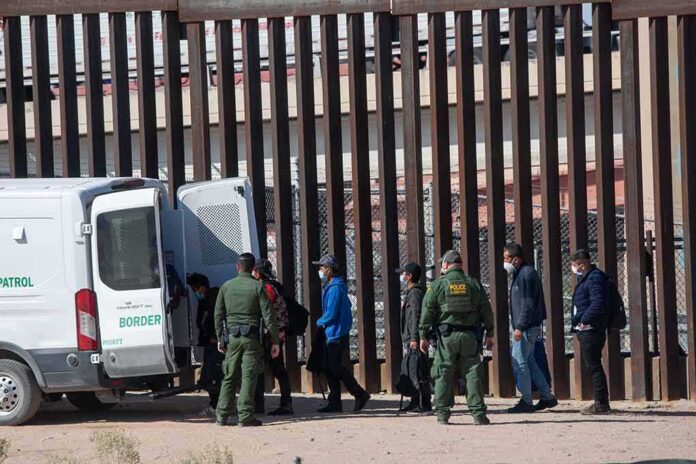
At home, Somali immigrants faced sharper enforcement. The Intercept, citing the Minnesota Star Tribune, reported more than 1,000 Somali asylum-seekers received deportation orders since February, with over half involving people in Minnesota and the total nearly ten times higher than in 2025. Those figures suggest a major shift in priority. The reports do not show how many orders were executed, how many were appealed, or how treatment compared with other nationalities.
Critics argue the spike in orders and raids mirror harsh rhetoric toward Somalis and Somali Americans. The reporting links arrests, deportations, and use of federal law enforcement to a wider push that also included strikes in Somalia. Supporters say immigration laws must be enforced and that removals follow case law, not ethnicity. Without case-level files, the public cannot see patterns on charging, detention time, bond, or outcomes. That lack of detail limits trust in the results, whatever one’s politics.
Rhetoric, law, and the risk of policy drift
Public comments from President Trump about Somalis drew strong reactions. The Intercept documented quotes that described Somalia in harsh terms and called for keeping Somalis out of the United States. PBS also recorded claims about crime and public costs tied to Somali immigrants. The White House and allies maintain the Somalia strikes are about national security, not ethnicity or religion. Both things can be true at once: tough rhetoric can shape perception while agencies cite lawful aims.
The legal backdrop matters. In 2018, the Supreme Court upheld travel limits that covered Somalia, giving the president wide room to act when citing security needs. That ruling showed courts may credit official reasons even when past statements suggest bias. For citizens, this is the core worry: when leaders mix sweeping language with vast executive power, guardrails weaken. People left and right then wonder whether the system checks power or excuses it.
What we know, what we do not, and why it matters
We know the strike tempo increased, with hundreds of operations over two years and at least 172 recorded militant and civilian deaths in 2025. We know deportation orders for Somalis jumped, with more than 1,000 since February and a heavy impact in Minnesota. We know officials say the aim is to stop terror groups from planning attacks. We do not know the full civilian toll or whether enforcement treated Somalis differently than others.
Trump’s Obsession With Somalia Isn’t Just Racist. It’s Been Lethal.
Beyond targeting Rep. Ilhan Omar, the Trump administration has killed, arrested, deported, and demonized Somalis at home and abroad.https://t.co/Vn57ard3CY
— Nick Turse (@nickturse) October 21, 2026
For readers who feel Washington serves the connected first, these gaps confirm a larger pattern. Agencies act, but records come late or not at all. Leaders talk tough, but the facts that prove fairness stay hidden. The fix is not partisan. It is sunlight: release strike assessments, civilian-harm reviews, and case-level immigration data with proper privacy limits. Clear evidence would show whether the government met its duty to protect the country without abandoning equal treatment under the law.
Sources:
twitchy.com, theintercept.com, smallwarsjournal.com, ibtimes.co.uk
© nationalusnews.com 2026. All rights reserved.