Weather forced the 250th Independence Day celebration on the National Mall into a tense pause, then a late restart that gave the night its own drama.
Quick Take
- Attendees were told to evacuate because a severe thunderstorm was near the National Mall.
- Organizers said the gates would reopen at 9:45 p.m. at President Trump’s direction.
- Trump was expected to speak later that night, with fireworks to follow.
- Heat, storms, and earlier cancellations turned the holiday into a test of planning and patience.
Storms Turned a Celebration Into a Safety Drill
The clearest fact is simple: severe weather interrupted the event. National Park and emergency officials told people to leave and seek shelter as storms moved toward the National Mall. BBC reporting also noted a severe thunderstorm watch for Washington, with warnings about lightning, hail, and strong winds. That is why the event did not proceed on schedule. The weather was not a side issue. It became the main event for a while.
NPR reported that the National Mall gates were set to reopen at 9:45 p.m. after the evacuation, and that Trump would speak at 11 p.m. with fireworks afterward. USA Today likewise reported that Trump said he would speak around 10 p.m., slightly later than the original 9:45 p.m. plan. Those details matter because they show a delay, not a cancellation. The celebration shifted, but it did not end.
Heat Made an Already Hard Day Worse
This was not a normal summer afternoon. ABC News said Washington faced the hottest July Fourth on record, with a forecast high of 101 degrees and dangerous storms possible in the evening. USA Today said the heat had already reached 95 degrees by late morning and had forced the cancellation of the city’s Independence Day parade earlier in the day. In other words, the delay sat on top of a much larger weather problem.
That bigger picture helps explain why organizers treated the storm threat seriously. The National Mall event had already been framed as a major security operation, with the National Mall under heavy protection and weather-related evacuation plans part of the day’s reality. NBC News noted that thunderstorms and lightning could force organizers to move thousands of people off the Mall. When officials start talking that way, they are not guessing. They are preparing for a known risk.
Trump Kept Pushing for the Show to Go On
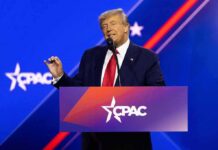
Trump had already signaled he wanted a long address. Fox 5 Washington posted that he said his Independence Day speech would be “really long” and that he could do anything. ABC News also said he was scheduled to speak at 10 p.m. That fits the larger tone of the day: the president wanted the celebration to feel bold, even as weather kept interrupting the script. The delay became part of the spectacle, not a footnote.
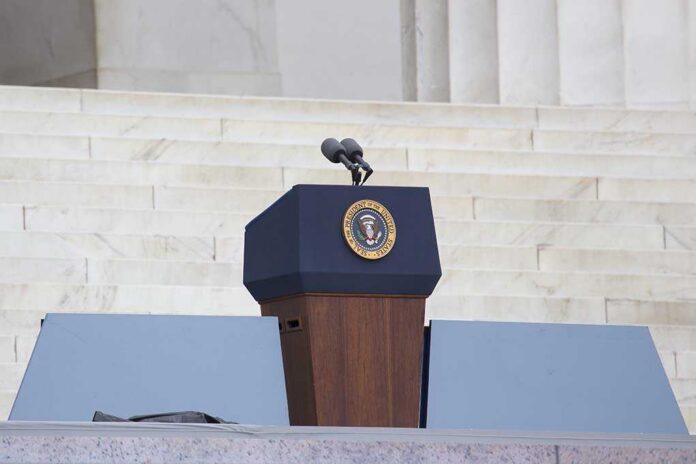
After a weather-related delay, President Donald Trump took the stage on the National Mall to mark America's 250th anniversary with a campaign-style speech.
Despite storms, extreme heat, and heightened security, thousands gathered for the high-profile Independence Day celebration… pic.twitter.com/SC4xo5z3qG
— The UAE Times (@theuaetimes) July 5, 2026
That is why the later restart carried political as well as practical weight. A late-night reopening allowed organizers to say the event survived the storm and kept moving. It also gave Trump a chance to turn the delay into a story about endurance and celebration. Supporters likely saw grit. Critics likely saw poor planning. But the strongest evidence still points first to weather, not to a hidden motive.
What the Opposition Got Right and Wrong
Critics have attacked the broader Freedom 250 effort as political vanity and questioned donor handling, but those claims do not refute the weather record for this delay. The House allegations concern fundraising and the event’s political tone, not the thunderstorm warning that led to the evacuation. That distinction matters. A controversial event can still be delayed for a very ordinary reason: dangerous weather.
The common-sense reading is also the most conservative one. Officials saw a storm threat, told people to shelter, and later reopened the grounds. That sequence lines up with basic public safety, not theater. Weather is the most common cause of major delays in large systems, and the Federal Aviation Administration says weather causes 74.26 percent of system-impacting air delays. In a summer storm over the National Mall, the simplest explanation is usually the best one.
Sources:
thegatewaypundit.com, nbcnews.com, bbc.com, npr.org, youtube.com, thehill.com, facebook.com, instagram.com, abcnews.com, washingtonpost.com, apnews.com
© nationalusnews.com 2026. All rights reserved.