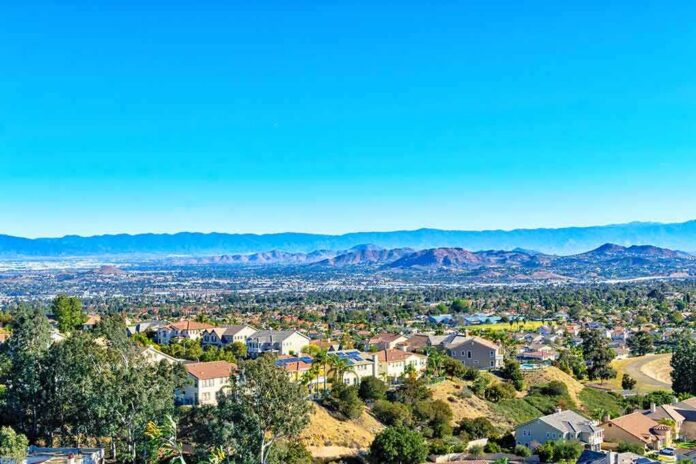
A burst of about 90 small earthquakes shook South Los Angeles in less than a day, concentrating along the Newport–Inglewood Fault.
Story Highlights
- United States Geological Survey data show dozens of microquakes clustered near Lennox and Westmont.
- Reported magnitudes ranged from about 1.0 to 2.7, with several felt in nearby neighborhoods.
- Scientists describe this pattern as an earthquake “swarm,” which is common and usually not damaging.
- The cluster underscores long-running concerns about Southern California’s fault network and readiness.
What Shook Los Angeles And When
Reporters and residents described a fast series of small quakes from Friday night into Saturday. The United States Geological Survey listed many events centered near Lennox and Westmont in South Los Angeles. The Los Angeles Times counted about 90 microquakes during the burst, with the largest around magnitude 2.7. Local outlets also logged several tremors of magnitude 2.5 or greater in the same window, including near Westmont early Saturday. None were large enough to cause widespread damage.
Maps and lists from the United States Geological Survey and regional trackers showed the cluster aligned with the Newport–Inglewood Fault. That fault has produced damaging earthquakes in the past, which is why even small flurries draw attention. The New York Post noted a 2.7 near Westmont around 2:30 a.m. and a 2.6 later that day, consistent with federal readings. A Sacramento Bee update also cited a 2.6 near Inglewood Saturday morning.
Why Scientists Call This A Swarm
Seismologists use “swarm” for many small earthquakes in a tight area over a short time, with no single mainshock. The United States Geological Survey explains that swarms are common in both volcanic and non‑volcanic regions and often feature quakes of similar size. In Southern California, these sequences happen from time to time. Most do not lead to a large quake, and most cause little or no damage. The label helps describe the pattern without predicting a bigger event.
Different outlets may count events in different time windows or magnitude cutoffs, which can change totals. But the core facts line up across reports in this case. A clear cluster occurred near Lennox and Westmont. The magnitudes stayed small, topping out in the low twos in most counts. United States Geological Survey tools and the Southern California Earthquake Data Center at the California Institute of Technology provide the base data many outlets rely on.
What This Means For Public Safety And Trust
Small swarms are reminders to check basics. Families can refresh emergency kits, secure heavy furniture, and confirm phone alerts. Government leaders can test notification systems and ensure hospitals, schools, and bridges meet seismic standards. The United States Geological Survey offers plain guidance on recent earthquakes and preparedness steps that help reduce risk before the next shock hits. These are low‑cost moves that protect lives and wallets when the ground moves.
We have an earthquake swarm currently in process in the Los Angeles Basin. No major quakes yet, but over 100 minor ones in that large cluster. Consider how the massive erosion that struck many SoCal beaches transported tons of sand to new locations and altered mass distribution. pic.twitter.com/kzHx4TQ6LF
— Stefan Burns (@StefanBurnsGeo) September 13, 2026
Many readers across the political spectrum worry that officials neglect core safety while focusing on headlines. Earthquake readiness is a test case. It is not about ideology. It is about honest maintenance, clear data, and steady planning. Transparent updates from agencies, simple public steps, and regular drills build trust. This swarm did not break anything. But it did spotlight the same lesson Southern California has learned for decades: prepare in calm times, because the next shake will not send a calendar invite.
Sources:
nypost.com, earthquaketracker.org, earthquake.usgs.gov, sacbee.com, scedc.caltech.edu
© nationalusnews.com 2026. All rights reserved.