A new Catholic shrine near Chicago is offering deep comfort to families of suicide victims while sparking hard questions about what the Church really teaches on salvation and personal responsibility.
Story Snapshot
- The Archdiocese of Chicago has built the first Catholic cemetery memorial in the U.S. dedicated to lives lost to suicide and their families.
- The shrine’s symbols and speeches stress that those touched by suicide are welcome in the Church and loved by God.
- Traditional Catholic teaching still calls suicide a grave sin, even as it urges hope and prayer for those who die this way.
- This tension mirrors wider worries that powerful religious institutions now send mixed signals on moral truth while trying to manage public image.
A landmark memorial for suicide victims and their families
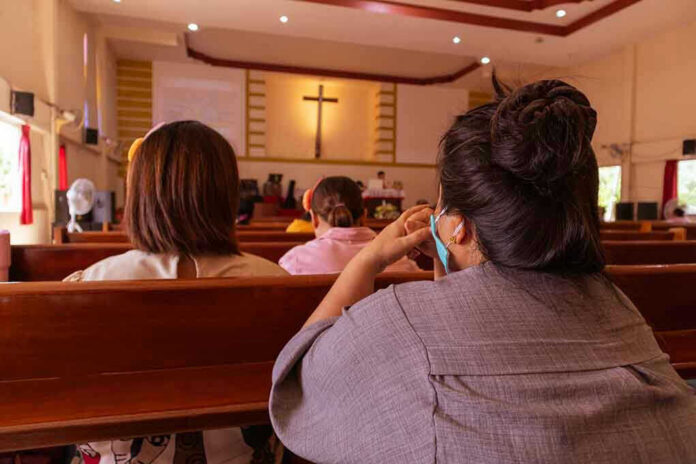
Catholic Cemeteries of the Archdiocese of Chicago dedicated the “At Peace” memorial at Queen of Heaven Cemetery in Hillside on June 26, 2026, during a public prayer service for families affected by suicide. The Archdiocese says this is the first Catholic archdiocese in the United States to create a memorial in a Catholic cemetery specifically for survivors of suicide and for lives lost to suicide. The goal is to give grieving families a sacred place for prayer, reflection, and remembrance instead of silent shame.
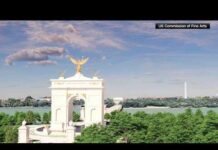
The memorial includes strong visual symbols that carry a clear message of hope. The shrine features an Embracing Angel whose wings wrap around visitors, offering comfort, and Ascending Doves that rise toward the sky to show hope and freedom from pain in God’s kingdom. These images say something simple yet powerful: the Church wants families and communities wounded by suicide to feel seen, held, and invited back into faith life, not pushed to the edges.
What the Archdiocese is — and is not — saying about salvation
Speakers at the dedication said the shrine is meant to show that suicide loss survivors are welcome, loved by God, and included like everyone else in the Church. The Archdiocese’s message shared at the event, “do not fear. I will help you,” underlined that pastoral care is offered regardless of how a person died. For many people, especially those tired of cold or harsh religious language, this sounds like a humane step toward mercy and away from stigma and secrecy.
At the same time, none of the official news releases or videos from the Archdiocese state that everyone who kills themselves is automatically saved. That idea comes from critics who read the memorial’s symbols and gentle tone as proof of a hidden doctrinal shift, but they do not cite any direct quote from Cardinal Blase Cupich or other leaders saying “all are saved.” The evidence shows a strong pastoral message of hope and inclusion, not a formal change in doctrine about heaven, hell, or judgment.
How traditional Catholic teaching on suicide still stands
The wider Catholic Church’s teaching on suicide remains firm, even as pastoral practice has softened over time. The Catechism of the Catholic Church says suicide is “gravely contrary to the just love of self” and “contrary to love for the living God,” describing it as serious matter that rejects God’s plan for life. Older sources like the Catholic Encyclopedia went further, calling suicide “a most atrocious crime” and historically denying Christian burial, which shows how severe the act was treated in past centuries.
Modern Catholic teaching adds an important nuance: the Church does not despair of the salvation of people who take their own lives. It explains that grave psychological distress, fear, or mental illness can reduce a person’s responsibility for this act, and says God may offer chances for repentance in ways only He knows. That means Catholics are urged to pray for suicide victims and their families, to avoid judging their eternal fate, and to trust that God’s mercy remains possible without claiming to know the final outcome.
Why this matters in a country losing trust in its institutions
This Chicago memorial also highlights a broader pattern that many Americans on the left and right now worry about. The Archdiocese gains praise for compassionate outreach and for programs like Loving Outreach to Survivors of Suicide, which walks with more than a thousand grieving families each year. Yet its gentle messaging can be read by critics as soft-pedaling hard teachings, feeding the sense that big institutions say one thing in doctrine and another in public, depending on what plays better in the media.
Brett Smith (AKA BJ S. McAuliffe and Brett Zagorac) has been charged with sexual abuse of a child he was privately tutoring. Smith, previously employed by the Archdiocese of Chicago, is believed to have worked at least four Catholic schools in Chicago.https://t.co/WrRmQYoOHC
— Anderson Advocates (@AndersonCause) July 7, 2026
For conservatives already weary of “woke” language and moral fog, the concern is that clear ideas about sin, duty, and eternal consequences are sliding into vague slogans that please donors and public relations teams. For liberals angry about abuse scandals, power games, and inequality inside churches, this can look like another top-down move that puts branding ahead of honest debate. Both sides see elites who manage narratives instead of speaking plainly, which matches wider frustration with how government, corporations, and now even religious leaders handle hard truths.
Sources:
lifesitenews.com, facebook.com, catholiccharities.net, youtube.com, x.com, pmc.ncbi.nlm.nih.gov, catholic.com, ewtn.com, dioceseofscranton.org
© nationalusnews.com 2026. All rights reserved.