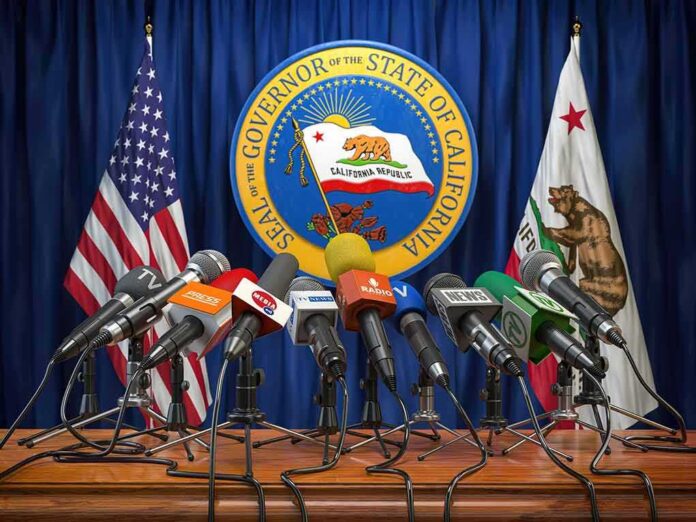
Governor Gavin Newsom signed more than a thousand bills in 2026, setting up wide changes to daily life in California starting next year.
Story Snapshot
- Newsom approved large packages of bills across health, elections, immigration, and energy.
- Many new laws take effect January 1, shaping schools, clinics, roads, and workplaces.
- California used end-of-session signing bursts to move many policies at once.
- The measures reflect state pushback on federal priorities and expanding state oversight.
What Newsom Signed And When It Takes Effect
Governor Gavin Newsom’s office issued a stream of bill signings from July through late September 2026. The packages covered election security, immigration policy, health care, education, and energy. California’s process means most signed bills become law the next January 1, unless a bill sets a different date. That timing helps explain why residents often feel the impact after New Year’s Day, not during signing week. The office listed individual bills and summaries in each dated release.
State guides confirm the flow. The Assembly explains that a bill becomes a statute when the Governor signs it or allows it without a signature. Most new laws then start on January 1 of the following year. This schedule creates a yearly “new rules” moment for families, workers, and businesses. The Capitol Museum notes the same pattern and stresses that chaptering and effective dates are standard steps, not special cases.
Key Areas That Touch Everyday Life
Health care bills span emergency services, reproductive care, and coverage rules. One signing package expanded access to nurse-midwives and protected certain health care activities, which could change options at clinics and hospitals. Another entry cited adjustments in Medi-Cal managed care rules for people who have other coverage, a detail that matters when families juggle plans. Together, these changes aim at service access, provider roles, and how public coverage coordinates with private insurance.
Safety and mobility also saw updates. The Governor signed a measure for electric bicycle safety training for students, signaling school and city programs may change how they teach riding skills and set campus rules. A separate signing day focused on the future of electric vehicles, including steps to speed charging buildout and expand consumer choice. Supporters say that can cut wait times and range fears for drivers, while easing strain on the grid with smarter planning.
Elections, Immigration, And Civil Rights
Election laws now include stiffer criminal penalties for seizing ballots, election records, or certified voting equipment before results are certified. The move aims to secure voting systems and guard the chain of custody inside counties. State leaders framed this as protection against interference and as a signal to local officials and outside actors that the rules carry real teeth in the next cycle.
Immigration-related bills targeted detention conditions, enforcement transparency, public records, family services, and oversight of federal activity in the state. The Governor’s office cast the package as a defense of civil rights and public safety for immigrant communities under a tougher federal environment. The laws could change how local agencies share information, supervise facilities, and support families during enforcement actions. A related statement said twenty-one bills formed the broader push that day.
How California Moves So Much Policy At Once
California’s end-of-session rush is not new. Governors often group signings late in the year and announce them in themed bundles. That can make the agenda feel sweeping, even when some bills are narrow fixes. Experts note the public often hears “this will change your life,” while the real effects vary by county, job, or family situation. The pattern repeats because many measures are finalized near the deadline and take effect together on January 1.
Numbers show the scale. One report tallied 1,160 bills sent to the Governor in 2026, with a veto rate a little over ten percent. That left more than a thousand measures set to become law. For residents, the practical meaning is uneven: a teacher may feel new classroom rules, a driver may meet new road or vehicle standards, and a clinic may adapt staffing or services. But all of it flows from the same yearly cycle.
Why This Matters Beyond Sacramento
These packages reflect how a state can pull against federal currents and still reshape daily life. California used election, immigration, and energy laws to set its own rules while Washington debates different goals. Voters across the spectrum worry that elites write rules far from real life. The impact test now shifts to city halls, school districts, clinics, and utilities that must carry out the laws on the ground, where costs, delays, and benefits become clear over time.
Sources:
nypost.com, gov.ca.gov, californiaglobe.com, ocregister.com
© nationalusnews.com 2026. All rights reserved.