
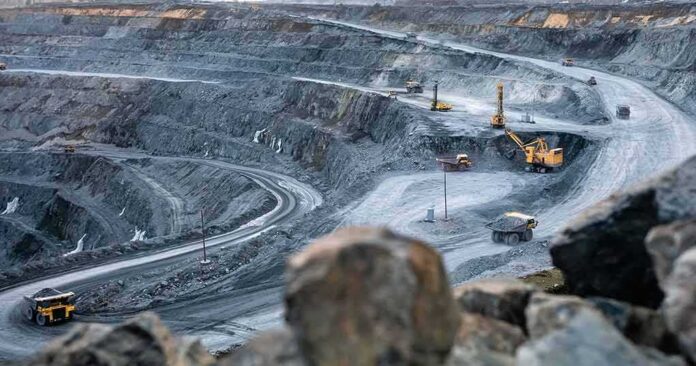
A week-old Kazakh startup reportedly leapfrogged an established foreign investor to win rights to two copper deposits, and that is now headed toward international arbitration.
Story Snapshot
- CoreX says a January 2024 deal to buy the mine operators was derailed by a state instruction favoring another firm.
- CoreX calls the transfer an illegal expropriation and is preparing a treaty claim, citing Turkish and Dutch ties.
- Kazakhstan’s law says subsoil belongs to the people, and licenses are granted by the state under clear rules.
- The public record lacks the contract, approval file, or a detailed state rationale for the license switch.
What CoreX Alleges Happened to the Copper Rights
ZeroHedge reports that CoreX, led by Turkish businessman Robert Yüksel Yıldırım, signed a January 2024 agreement to acquire 100 percent of two Kazakh mine operators, subject to government approval of the ownership change. The report says a state investment council, chaired by First Deputy Prime Minister Roman Sklyar, then instructed officials to give the subsoil rights for the Koktaszhal and Kyzylshoky deposits to Altyndara, a local firm described as roughly a week old at the time.
CoreX publicly called the shift an “organized, aggressive appropriation and illegal expropriation,” naming Altay Polymetally and Terekti Ken Baiytu as the affected operators and warning of disputes over their licenses. The company is preparing a claim under international treaties, pointing to links with Turkey and the Netherlands, both of which have investment treaties with Kazakhstan that allow arbitration for alleged treaty breaches. No filing number or registration of a case has been identified yet.
What Kazakhstan’s Rules Say About Subsoil Rights
Kazakhstan’s laws state that subsoil belongs to the people, with the state managing those resources on their behalf. The Ministry of Industry and Construction describes a licensing system that follows clear requirements, including a “First Application” principle for granting many rights and defined obligations for subsurface users. The government’s competent authority runs tenders and grants exploration and production rights under the legal code, reinforcing that mining access flows from state-issued licenses, not automatic ownership.
The United States State Department has said the 2017 code also set rules for strategic deposits and allows the government to end a contract in limited cases tied to national security interests. Supporters say the law improved the process for getting exploration licenses and converting them to production rights, if officials apply the rules as written. Those points do not answer what drove the Koktaszhal and Kyzylshoky decision, but they set the legal frame in which the dispute will be judged.
Evidence Gaps and Why They Matter
The reported January 2024 share-purchase agreement has not been published, so key terms are unknown, including remedies if approval was denied. The alleged government instruction naming Altyndara has not appeared in an official document release, and the public record does not show the ministry’s detailed reasoning, compliance review, or environmental findings. The claim that Altyndara was only a week old is not backed by a registry extract in the available sources. These gaps limit outside verification.
CoreX says Yıldırım has invested heavily in Kazakhstan and points to years of engagement with the country’s leaders; the presidential website documents a 2018 meeting about mining and chemical projects. But claims about dollars invested in these specific deposits are not supported by bank records in the public domain. With no arbitration notice on file yet, the case remains at the stage of allegations and preparation, not adjudication.
Why Americans Should Care About This Fight
Copper is central to power grids, electric motors, defense gear, and everyday electronics. When a government can redirect mine rights with limited public records, investors see risk, and projects slow or cost more. That can raise prices down the line for workers, retirees, and small businesses far from Central Asia. For many readers who already doubt that elites play by one rule and citizens by another, opaque resource decisions abroad feel like a familiar pattern at home.
Central Asia has the minerals.
That does not mean it will capture the money.
The region holds an estimated:
39% of global manganese ore reserves
31% of chromium
20% of lead
13% of zinc
9% of titanium
about 5% of copper, cobalt and molybdenumKazakhstan is the world’s…
— Roberto Balbino (@RobertoBalbinoX) November 1, 2026
Kazakhstan has faced investor-state disputes before, including in mining and uranium, and has contested outcomes for years. If CoreX files a treaty claim, it could stretch on, with appeals and annulment bids that drain time and money. The faster both sides publish core documents—the contract, the council instruction, the license file—the sooner markets, courts, and the public can judge whether this was a lawful licensing call or a step that broke investor protections.
Sources:
zerohedge.com, akorda.kz, qazba.kz, erdem-erdem.av.tr, fastmarkets.com, newsline.kz, gov.kz, state.gov, wto.org, globalarbitrationreview.com
© nationalusnews.com 2026. All rights reserved.