In a striking display of escalating Capitol Hill tensions, a sitting Republican congressman physically pushed back against a protester aggressively confronting him over U.S. policy in the Israel-Hamas war—raising pointed questions about lawmaker safety, protest boundaries, and the ongoing culture clash over American values.
Story Snapshot
- Rep. Tim Burchett (R-TN) shoved a protester outside the Longworth House Office Building after being aggressively confronted about his support for Israel.
- The incident occurred following a series of heated protests on Capitol Hill over the Israel-Hamas conflict.
- No formal charges were filed; Capitol Police questioned the protester and the situation de-escalated quickly.
- The altercation has reignited debate over the limits of protester conduct and the security of elected officials.
Physical Confrontation Highlights Rising Tensions
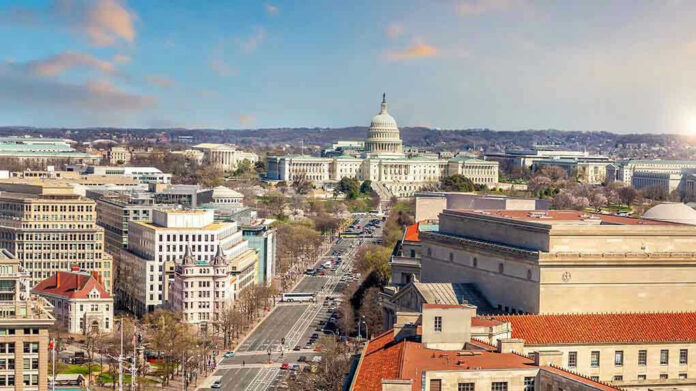
On Thursday, following the final House votes of the week, Rep. Tim Burchett, a Republican from Tennessee and vocal supporter of Israel, was confronted outside the Longworth House Office Building by a demonstrator incensed over his stance on the ongoing Israel-Hamas war. When the protester pressed him aggressively—reportedly bumping into the congressman—Burchett responded by shoving the individual away. Capitol Police immediately intervened, questioning the protester but ultimately allowing the situation to de-escalate without formal charges or arrests.
Rep. Burchett and Gaza Protester Get Into Physical Altercation on Capitol Hill https://t.co/xR2uijlwn5
— Observing Time 🏴☠️ (@TimeObserving) September 5, 2025
This incident did not occur in isolation. The confrontation underscores a broader pattern of escalating activist disruptions on Capitol Hill, particularly targeting lawmakers outspoken on controversial foreign policy issues. Burchett himself is no stranger to physical altercations, having previously engaged in a heated exchange with former Speaker Kevin McCarthy in 2023. The event also highlights the growing frustration among Republican lawmakers and their supporters, who see these confrontations as part of a larger effort to intimidate and silence conservative voices and undermine traditional American support for allies like Israel.
Security, Protest, and the Boundaries of Free Speech
The rise in direct, sometimes aggressive protest activity around Congress has raised alarms over the safety of elected officials. Capitol Hill, already a high-security zone, has seen a marked increase in demonstrations linked to the highly polarized debate over U.S. involvement in the Israel-Hamas conflict. Many conservatives view these disruptions as a threat to order and a violation of the norms that protect both free speech and the functioning of representative government. Law enforcement, such as the Capitol Police, find themselves balancing the right to protest with the imperative to protect lawmakers from harassment and potential harm.
Statements from Burchett’s staff frame the congressman’s actions as necessary self-defense, emphasizing that while everyone is entitled to their opinion, aggressive or physical confrontation crosses a line. Capitol Police, meanwhile, maintained their standard policy of not discussing ongoing investigations but confirmed that their intervention was swift and that the situation did not escalate further. The protester’s identity remains undisclosed, and activist groups have largely framed the shove as an overreaction, revealing the deep divide in interpretations of such events.
Consequences for Lawmaker-Protester Relations and Conservative Values
The fallout from this clash reverberates through several channels. In the short term, the incident has intensified scrutiny on how Congress manages security and protest activity, especially as lawmakers become targets for direct, sometimes physical, activism. For many conservatives, these confrontations reflect a broader erosion of respect for institutions, constitutional rights, and the rule of law—a trend they fear is exacerbated by leftist protest tactics and lenient enforcement. The event may also contribute to a chilling effect, discouraging open engagement between constituents and their representatives if lawmakers fear for their safety.
Long term, this and similar incidents could shape new protocols for protest and public access on federal property, potentially limiting the avenues available for activist engagement. For Rep. Burchett, the altercation further cements his reputation as an unyielding defender of his positions, willing to stand his ground amid aggressive opposition. For Congress as a whole, the episode may prompt calls for clearer boundaries and stronger protections for elected officials—an issue closely watched by those committed to upholding constitutional rights, personal security, and the integrity of America’s legislative process.
Expert observers note that physical altercations between lawmakers and the public are rare and serious, drawing attention to the breakdown of decorum in political discourse. While the facts of this incident are not disputed—multiple reputable outlets corroborate the sequence of events—the diverging perspectives on what constitutes appropriate protest and self-defense point to a nation deeply divided over not just foreign policy, but the very nature of democratic engagement and respect for authority. With each high-profile confrontation, the boundaries of acceptable dissent and the responsibilities of elected officials come under renewed scrutiny, shaping the future of civic life on Capitol Hill and beyond.
Sources:
Tennessee Rep accused of shoving protester with ‘bad breath’ after clash over Gaza war
Tim Burchett shoves protester after Israel-Hamas war disagreement
Rep. Tim Burchett shoves protester on Capitol Hill