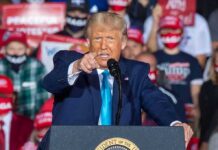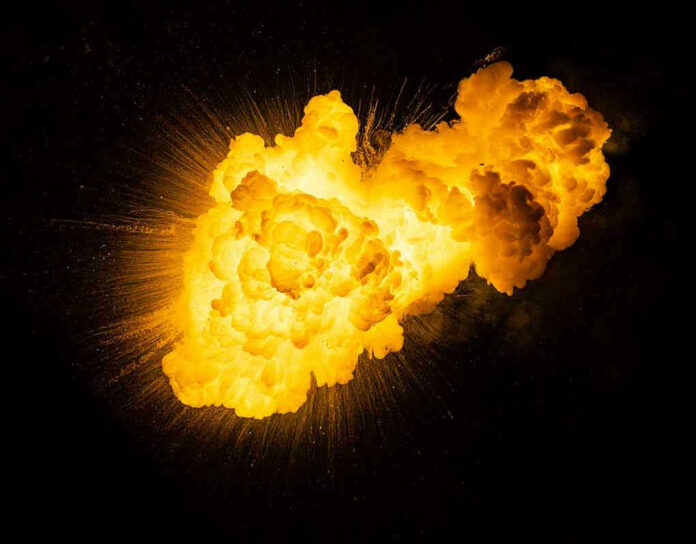
President Trump warns Iran has just three days before its own oil pipelines explode from backlog pressure, marking a decisive America First stand against regime aggression.
Story Highlights
- Trump’s naval blockade targets Kharg Island, handling 90% of Iran’s oil exports, creating imminent storage crisis.
- Iran loses $435 million daily, risking salary payments to IRGC and government workers.
- Gasoline shortages loom within weeks, threatening domestic unrest among Iranian civilians.
- U.S. holds tactical edge, but experts debate if three-day deadline is strategic pressure or technical reality.
Blockade Targets Iran’s Oil Lifeline
The U.S. naval blockade zeroes in on Kharg Island, Iran’s primary oil export terminal managing 90% of national shipments. Since Iran blocked the Strait of Hormuz on February 28, 2026, American forces countered by halting Iranian oil exports. Storage facilities now approach capacity limits, with crude backlog building rapidly. President Trump enforces this pressure to demand a permanent ceasefire. This tactic exploits Iran’s economic vulnerability, its main revenue source under siege.
Iran Has DAYS Until This Crisis Hitshttps://t.co/AgGD25rZqP
— PJ Media (@PJMedia_com) April 28, 2026
Trump’s Dire Three-Day Warning
President Trump stated Iran has “just 3 days before its own oil pipelines explode from within” due to unrelieved pressure. U.S. officials project storage exhaustion in 2-3 weeks, forcing production cuts. Hawkish analysts highlight decisions within days to cap wells, costing billions daily. The blockade inflicts $435 million in daily economic damage. This maximum pressure aligns with America First priorities, prioritizing U.S. security over endless negotiations.
Economic Strain Fuels Internal Risks
Iran imports 30-60 million liters of gasoline daily yet faces a 35 million liter domestic shortfall. Shortages could emerge in 2-3 weeks, mirroring oil storage timelines. Government and IRGC personnel risk unpaid salaries amid financial collapse. Historical precedents show such crises spark widespread protests. The regime struggles to sustain operations, amplifying pressure for concessions. Both conservatives and liberals see this as evidence of elite mismanagement failing ordinary citizens.
Diplomatic Limbo and Expert Views
Trump paused attacks pending negotiations after Iran proposed reopening the Strait first, nuclear talks later. Iran’s Foreign Minister blamed U.S. for peace talk failures. Experts diverge: some affirm days-to-weeks crisis, others estimate up to two months resilience. Dr. Krieg notes Iran tolerates pressure longer than expected. The standoff persists in limbo, with U.S. leverage from internal Iranian frailties. Global markets brace for oil volatility from the Hormuz closure.
Sources:
Fox News: US economic chokehold on Iran reaches peak leverage, collapse risks emerge
The Independent: Iran war – Trump US peace talks Strait of Hormuz
Wikipedia: 2026 Strait of Hormuz crisis
Arab News: Iran’s Foreign Minister blames Washington