Massachusetts’ attorney general says more than 270 Catholic clerics abused nearly 1,000 children across three dioceses, and the system let it happen for decades.
Story Snapshot
- The state released a multi-year report citing evidence of abuse by 270-plus clerics in Fall River, Springfield, and Worcester.
- The report documents nearly 1,000 child victims and describes systemic failures that allowed abuse to persist.
- No new criminal charges were filed, with the attorney general urging legal reforms and stronger church transparency.
- Newsrooms across Massachusetts reported the same core findings on the day of release.
What The State Found And Where
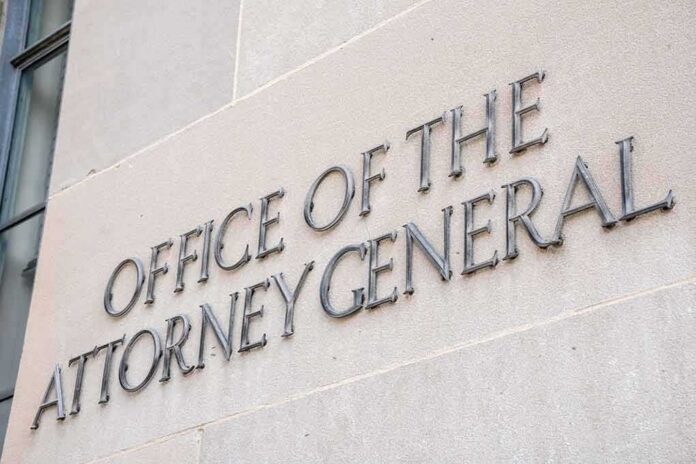
The Massachusetts Attorney General’s Office released a report stating it found evidence that more than 270 Catholic clerics abused nearly 1,000 children over about a century. The probe covered the Catholic Dioceses of Fall River, Springfield, and Worcester. The office began the investigation in 2019 and described the findings as the result of a multi-year review. The release says the report aims to honor survivors and confront failures that let abuse continue for many years.
The report page outlines the institutional scope and names the three dioceses involved. It frames the evidence as a record of abuse and of systems that did not protect children. Local and national outlets reported the same core numbers on the day of release, reinforcing the scale and focus. Coverage highlighted the nearly 1,000 child victims and the count of more than 270 clerics across the three dioceses, matching the state’s summary of findings.
How The Report Describes Institutional Failures
The attorney general says the report documents institutional breakdowns, not only individual acts. The office states that abuse persisted in some cases for years, pointing to weak safeguards and poor responses. The review calls for survivor-centered protections and public lists of accused clergy. It urges the dioceses to adopt stronger rules that prevent transfers of accused clerics and to be more transparent about past cases, as part of fixing long-running gaps.
Worcester stands out in reporting as the only Massachusetts diocese without a public list of accused clergy. That detail shows how disclosure choices shape what families and parishioners know. The push for public lists matches a broader national trend after past inquiries found that secrecy and transfers allowed harm to spread. The report’s transparency focus aims to break that pattern and help survivors get information that institutions kept private for years.
Legal Limits And The Attorney General’s Policy Push
Outlets noted that the investigation did not produce new indictments, which reflects time limits and past laws that leave many cases outside criminal reach. The attorney general used the report to press for changes to state law. The office supports removing barriers that stop survivors from filing civil claims and wants stronger mandatory reporting and record rules. Those steps seek accountability when prosecution is no longer possible due to how long ago the abuse happened.
A Massachusetts investigation documented abuse allegations involving 944 children and more than 270 Catholic clerics across three dioceses. No new indictments will result.
Attorney General Andrea Campbell released the report on September 30, 2026, following an investigation that… pic.twitter.com/Lxwk2AFydp
— HeyDay News (@heyday_news) October 1, 2026
Several newsrooms reported that the attorney general urged lawmakers to open more paths to justice for people abused as children. The policy ideas include longer windows to bring civil suits and more transparency from dioceses. Reporters also echoed the state’s emphasis on survivor support. By tying findings to reforms, the office aims to change future behavior inside institutions, even when many cases cannot reach criminal court now.
Why This Matters Beyond The Church
This case fits a wider pattern seen in many institutions that serve youth. Past inquiries have shown that leaders often failed to report abuse, moved offenders, and kept poor records. Those choices allowed harm to continue and blocked police or courts from acting. Studies and commissions in the United States and abroad have found the same core problems across sectors, from churches to government-run care, which is why transparency and reporting rules matter.
Key Numbers And Precision
Media coverage summarized the victim count as nearly 1,000 children, citing the attorney general’s findings. Some outlets used specific figures like 944, while others used rounded language. The state’s report and press release center on evidence of more than 270 clerics and nearly 1,000 victims across the three named dioceses. Those numbers define the scope and confirm that the problem was systemic over many decades, not limited to a few individuals.
Sources:
nypost.com, theguardian.com, wbur.org, bostonglobe.com, boston25news.com, nbcconnecticut.com
© nationalusnews.com 2026. All rights reserved.