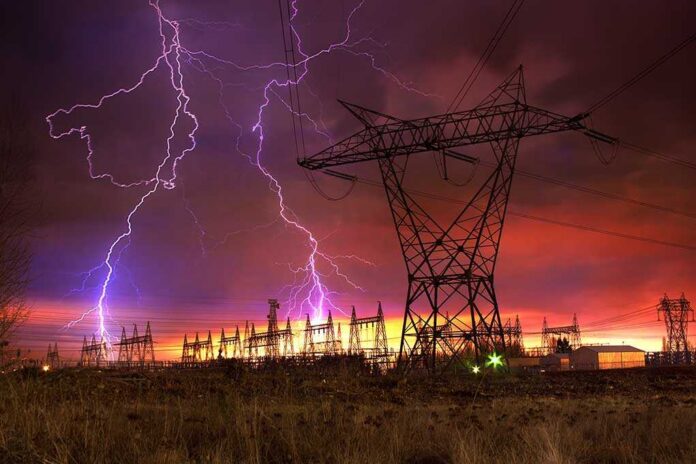
The U.S. power grid is not a single wall of steel. It is a web of weak points that can be hit from many sides.
Quick Take
- Federal and policy reports warn that the electric grid faces cyber, physical, and weather risks.
- The Department of Energy reported at least 175 physical attacks or threats against grid infrastructure in 2023.
- Officials say foreign governments, criminals, and extremists all remain capable of causing serious harm.
- The record does not confirm a real 17-minute collapse; that part of the story is still unproven.
Threats Keep Piling Up
U.S. officials and energy researchers have warned for years that the electric grid faces layered threats. The United States Government Accountability Office says the grid is an attractive target for cyberattacks from nations such as China and Russia, as well as criminals and insiders. The Senate Republican Policy Committee also warned that criminals, terrorists, hacktivists, and foreign governments could trigger long, wide blackouts.
Physical threats are part of the picture too. The Kansas Legislative Research Department said the Department of Energy reported at least 175 physical attacks or threats against critical grid infrastructure in 2023. The American Security Project lists extreme weather, cybersecurity, and wildlife among the largest threats to the energy grid. Together, those risks help explain why even a short outage can set off wider problems.
Why Short Failures Matter
The grid matters because modern life depends on it in ways many people only notice when it fails. Power loss can affect phones, fuel pumps, water systems, traffic signals, hospitals, and business networks. The Department of Energy says reliability is central to national security and daily life. That is why grid failures often spread beyond the lines that first go dark.
Still, a warning about vulnerability is not the same as proof of a specific collapse. The available research supports the broader claim that the grid is fragile in places, but it does not confirm a documented 17-minute event that exposed civilization’s breakdown. The missing piece is hard evidence, such as an official outage log, operator testimony, or a government incident report tied to that exact timeline.
The 17-Minute Claim Remains Unproven
The 17-minute frame fits a familiar media pattern. Alarm-heavy stories often take real grid risks and turn them into dramatic countdowns. In this case, the research package points to speculative coverage and social media discussion, not a verified incident record. That leaves a clear gap between documented grid risk and the claimed civilization-level consequence.
Cuba hit by second total power grid collapse in under a weekhttps://t.co/eALdwDKHii
— Yeni Şafak English (@yenisafakEN) July 11, 2026
That gap matters because public fear can outrun public facts. When institutions stay quiet and alternative outlets fill the space, people are left with two bad choices: dismiss real vulnerabilities or accept exaggerated claims. The better reading is more sober. The grid does face real threats from cyberattacks, sabotage, and severe weather, but this research does not prove that a 17-minute collapse happened or that such a brief failure would automatically expose modern civilization.
What This Means For Policy
The practical lesson is simple. Grid security is no longer a niche issue for engineers. It is a national resilience issue with political, economic, and public safety stakes. The research points to growing concern inside government and the energy sector about aging systems, more attack paths, and a rising list of weak spots. That makes hardening the grid a basic duty, not an optional upgrade.
Sources:
zerohedge.com, secureenergy.org, klrd.gov, gao.gov, facebook.com
© nationalusnews.com 2026. All rights reserved.