Treasury says it traced about $14.7 billion tied to Iran’s shadow banking and then sanctioned the middlemen it says move that money.
Story Snapshot
- Treasury flagged about $14.7 billion in activity potentially linked to Iran’s shadow banking between 2025 and 2026.
- New sanctions hit Iranian exchange houses, front firms, and key personnel across several countries.
- Officials are pressuring access to United States dollar correspondent banking, a key choke point.
- Analysts say Iran still uses yuan payments, shell firms, and “dark fleet” shipping to keep trade flowing.
What the administration did and why it matters
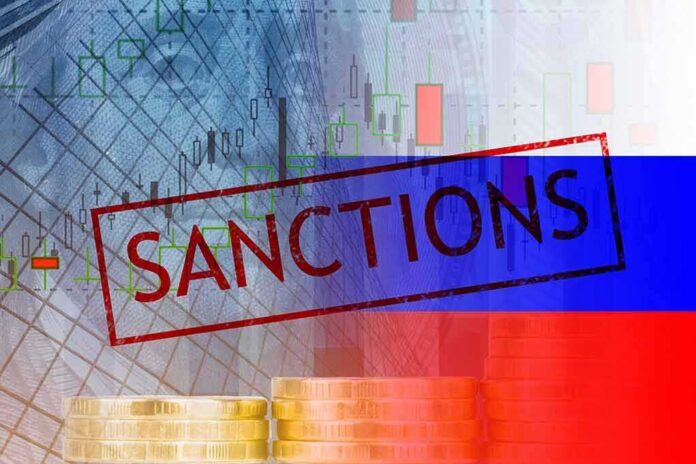
The United States Treasury reported that financial sleuthing found about $14.7 billion in activity it says was potentially linked to Iranian shadow banking from January 2025 to August 2026. The same day, the department announced sanctions on more than two dozen exchange houses, foreign front companies, and managers it says help Iran route oil and petrochemical money around existing rules. The move aims to cut Tehran off from hard currency that supports sanctioned programs and regional proxies.
Officials framed the plan as part of a longer campaign rather than a one-off strike. By late summer 2026, the Office of Foreign Assets Control said it had already taken eight actions that year against shadow banking networks, hitting banks, front companies, traders, and logisticians. Treasury says the broader push since early 2025 has sanctioned more than 1,000 Iran-linked people, ships, and aircraft, signaling a large enforcement scope meant to raise risk and costs for every step in the payment chain.
How the choke point works: dollar access and correspondent banking
Treasury also moved on a core pressure point: access to United States dollar payments through correspondent accounts. In August 2026, the Financial Crimes Enforcement Network proposed cutting Banque Misr United Arab Emirates off from United States correspondent services after estimating it handled about $1.8 billion for 103 firms potentially tied to Iranian networks. Targeting these pipelines can block settlement, slow trade finance, and force detours into less efficient systems, especially for oil and petrochemical sales that need large, reliable payment rails.
Sanctions focused on the money movers that sit between Iranian sellers and foreign buyers. Treasury described exchange houses and their affiliate firms as hubs that convert and route foreign currency, clear invoices, and help sanctioned Iranian banks get paid for overseas oil and petrochemical shipments. Hitting these hubs can strand receivables, drive up fees, and push transactions into riskier channels. That is the intended pain: make every path to hard currency slower, more expensive, and easier to spot.
What we know — and what remains unproven
The $14.7 billion figure marks activity potentially linked to shadow banking; it is not a tally of seized or blocked funds. Treasury has not released data showing how many payments failed after the new sanctions, how much cash froze, or how much revenue Iran lost. The campaign’s pace also cuts two ways: repeated actions in August, October, and November show sustained pressure, but also suggest networks adapt and persist, requiring fresh rounds to keep up.
Independent research says Iran still finds workarounds. The Atlantic Council reports growing oil settlement in China’s yuan, which reduces dollar exposure and uses indirect channels to keep revenue moving. Analysts also point to shell companies, ship-to-ship transfers, and banks in jurisdictions with weaker checks as tools that bypass dollar clearing. These routes can keep exports alive, though often at higher cost and risk, blunting but not erasing the impact of sanctions.
Why this resonates with Americans on both sides
Readers from the right see a needed crackdown on a hostile regime’s money flows. They want proof that middlemen who dodge rules face real costs. Readers from the left worry about overreach, collateral harm, and whether pressure without transparency changes outcomes. Both camps share a core demand: show results, not slogans. Clear metrics on rejected payments, frozen balances, and reduced oil revenue would tell taxpayers whether this complex system is actually working as promised.
The stakes go beyond one country. When Washington leans on correspondent banking, it can shift power toward less transparent systems. That can make bad actors harder to track and put honest traders in a bind. Measured the right way, success looks like sustained payment failures for evasion networks without broad harm to lawful commerce. Until officials release outcome data, the record shows strong targeting and pressure, but only partial proof of lasting disruption.
Sources:
townhall.com, home.treasury.gov
© nationalusnews.com 2026. All rights reserved.