Sen. Mike Lee hailed President Trump’s public “my friend” greeting to Vladimir Putin at a three-leader summit as “a masterstroke, absolutely brilliant.”
Story Snapshot
- Sen. Mike Lee praised Trump’s “my friend” remark to Putin as “a masterstroke.”
- Trump, Putin, and China’s Xi met for rare trilateral talks in Shenzhen.
- Pool notes quote Trump saying he and Putin had a “great relationship for many years.”
- No concrete policy gains tied to the remark have been documented yet.
What Happened at the Summit Greeting
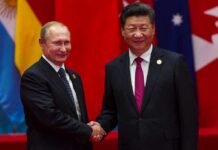
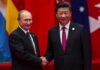
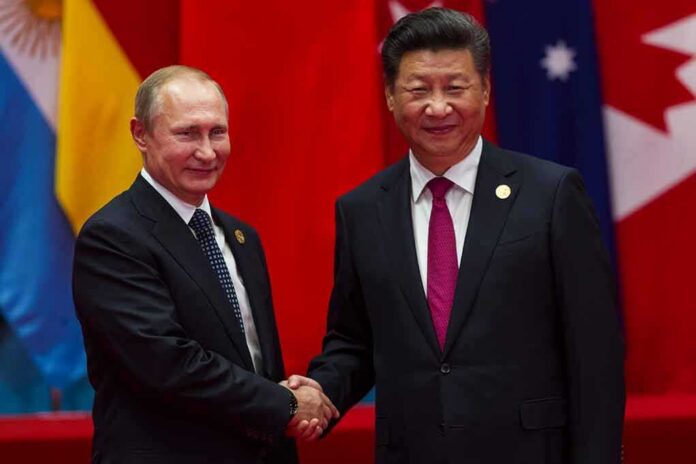
President Trump met Russian President Vladimir Putin and Chinese President Xi Jinping for high-level talks in Shenzhen on November 19, 2026. During a brief greeting, Trump said of Putin, “He’s my friend,” in a moment captured on network transcripts. The exchange occurred as cameras rolled before the closed-door meeting began. The rare three-leader setting gave the remark unusual weight, since allies and rivals watched for signals about United States priorities. CNN carried the wording in its transcript.
A supplemental White House pool report added more context to Trump’s words. The pool noted Trump said he and Putin had “a great relationship for many years” and suggested “a lot of wonderful things can come out of this.” That version places the “my friend” line within a broader claim about personal rapport and hoped-for outcomes. The fuller phrasing matters because it links the greeting to Trump’s long-running style of personal diplomacy and deal framing at the leader level.
How Senator Mike Lee Framed the Moment
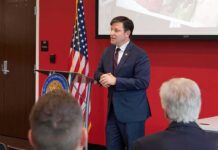
Senator Mike Lee appeared on The Ingraham Angle and praised the greeting. Lee called it “a masterstroke, absolutely brilliant,” and said it showed strength and confidence. His comments aimed to flip a controversial phrase into a display of control and poise. Lee’s take aligns with the view that public warmth can steady talks and reduce misread signals. His remarks did not cite a specific concession or deal that followed the greeting that day.
Trump later avoided calling Russia a friend of America when pressed, saying he could not “speak to America.” That answer drew a line between his personal rapport and a formal alliance label. The distinction reflects a core tension in leader-level outreach. Personal ties can open doors, but they do not alone change state interests or resolve conflicts. Reported coverage kept focus on the words while fighting continued in Ukraine during the same period.
Why the Setting Raises the Stakes
National Public Radio reported the Shenzhen session as a rare trilateral moment with the United States, Russia, and China at the table. That spotlight made even short, informal lines into signals. In such settings, phrases can ripple through capitals and markets. Viewers often judge the optics before policy results appear. The three-power format also invited comparison to past great-power meetings, adding pressure for clarity on goals and outcomes from all sides.
Sen. Mike Lee just explained Trump's diplomacy better than the entire foreign policy establishment ever has.
Lee said that if Trump treated foreign adversaries the way Democrats treat him, it would be DISASTROUS for national security. Instead, Trump builds rapport with them.… pic.twitter.com/UPGw6gisOk
— Gunther Eagleman™ (@GuntherEagleman) November 21, 2026
The record so far confirms what was said and where it was said. It does not show a direct policy gain tied to the phrase itself. There is no documented agreement, sanction shift, or cease-fire step linked to that greeting. That gap does not erase the possible value of tone. It does mean the greeting should be read as a signal, not as proof of leverage. Both supporters and critics often overread such moments amid fast media cycles.
How to Read the Signal Across the Aisle
People right and left worry that elites prize theater over results. This moment fits that fear. Viewers saw a headline phrase but few clear outcomes. Supporters argue friendly words can prevent missteps and can set a calm room for hard talks. Opponents argue warmth risks mixed messages during war. Both views share one demand: results that help Americans with security, prices, and stability. Signals matter, but deliverables matter more for families and businesses.
What Comes Next and What to Watch
Watch for official readouts, follow-up calls, and any movement on core issues. Look for changes on Ukraine talks, arms control, detainee cases, or cyber rules. Track whether United States agencies report new channels or guardrails after Shenzhen. If results follow, the greeting will look like useful stage-setting. If not, it will look like optics. Until then, the record shows a notable signal in a rare room, strong praise from a senator, and no confirmed policy shift tied to that line.
Sources:
mediaite.com, yahoo.com, transcripts.cnn.com, npr.org, thehill.com
© nationalusnews.com 2026. All rights reserved.