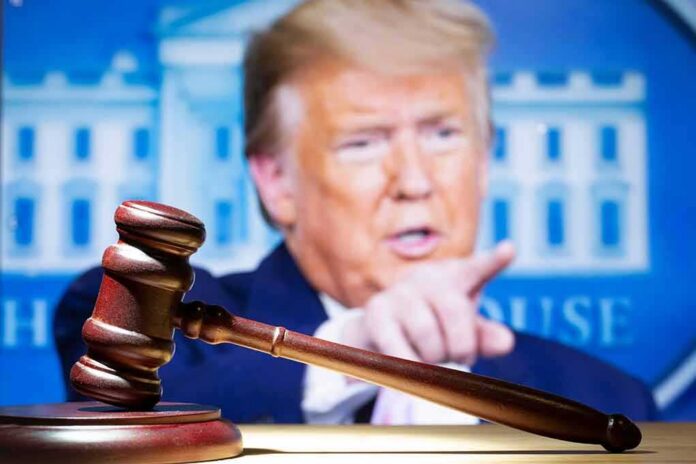
A liberal Fox News panelist said on air that President Trump did not call neo-Nazis “very fine people,” after finally reviewing the full 2017 remarks herself.
Story Snapshot
- Jessica Tarlov said Trump’s words in 2017 did not praise neo-Nazis when heard in full.
- Transcripts show Trump excluded neo-Nazis and white nationalists from “very fine people”.
- Critics still argue the phrasing blurred moral lines during a deadly rally.
- The episode shows how short quotes can mislead and polarize for years.
What Tarlov Said And Why It Matters
Fox News co-host Jessica Tarlov said she changed her view after listening to the full exchange from August 15, 2017. She said Trump’s “very fine people” line did not refer to neo-Nazis or white nationalists when heard in context. Her on-air shift matters because the quote has fueled years of anger and campaign ads. It also shows how a clipped line can take on a life of its own when people never hear the full back-and-forth.
Transcripts of the press conference support the core point. Trump said, “You also had people that were very fine people, on both sides,” while talking about the monument dispute. He then said, “I’m not talking about the neo-Nazis and the white nationalists, because they should be condemned totally”. Several fact checks over the years have documented that exclusion, even while noting his “both sides” framing drew intense backlash.
Why Critics Still Object To The Remark
Critics argue the words still blurred lines because the rally was led by racist groups and ended in death. They say Trump’s “very fine people on both sides” and “blame on both sides” language felt like moral equivalence. Some note his exclusion of neo-Nazis and white nationalists came in a separate part of the exchange, which did not erase the earlier phrase for many listeners. That split explains why the fight has lasted nearly a decade.
Commentary on the left and the right has often treated the episode as a symbol. One side cites the exclusion line to say the “fine people” charge is false. The other side cites the “both sides” setup as a failure to draw a bright moral line in a moment of crisis. Independent reviewers have tried to separate the literal quote from the broader effect of the message, and that gap drives most of the disagreement.
How A Ten-Second Clip Became A Nine-Year Proxy War
Reporters and politicians boiled a long exchange down to a short clip. Campaigns repeated the clip to paint character, not to explain context. Many voters never heard the later words that excluded neo-Nazis and white nationalists, so the first impression stuck. Years later, Tarlov’s comment shows how hearing the full record can shift views, even if it does not settle every concern about tone, timing, and moral clarity.
This fight also feeds a deeper worry shared by many Americans. People on the right and the left feel the media and political class twist facts to win news cycles. They see leaders using sound bites to divide neighbors instead of solving real problems. This case is a reminder to check original sources, read full transcripts, and ask why a quote is trending now. That habit will not fix Washington, but it can make us harder to fool.
What To Watch Next
Expect renewed debate as campaigns recycle the clip in ads and speeches. Watch whether more pundits and outlets adopt the full-context wording in their coverage. Look for clearer standards from fact checkers when quotes drive election narratives. Most of all, demand links to primary sources so you can judge the words yourself. In a noisy era, direct records—videos and transcripts—are the best defense against spin from any side.
Sources:
transcripts.cnn.com, latimes.com, dispatch.com, factually.co, yahoo.com
© nationalusnews.com 2026. All rights reserved.