A national poll says nearly half of Americans punish candidates who flood their phones with political texts.
Story Highlights
- A September survey found 46% were less likely to support candidates who over-message.
- Most respondents said volume was excessive; many grew annoyed after just three messages.
- Seventy-two percent who replied STOP still reported getting political texts later.
- Field research shows texts can raise turnout slightly, keeping pressure on campaigns to keep sending them.
Voter Backlash to Constant Campaign Texting
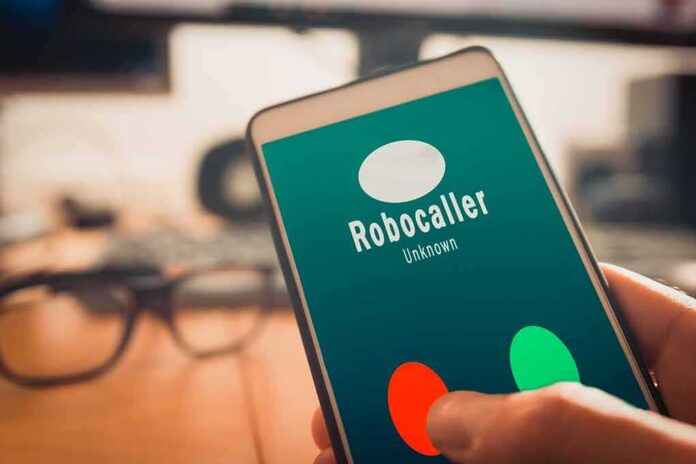
A nationwide survey reported strong irritation with political outreach by phone. Sixty percent said the volume of messages was excessive. Sixty-nine percent said they felt annoyed after only three messages. Forty-six percent said too many calls or texts made them less likely to support the candidate behind them, suggesting real risk to over-messaging strategies. These findings echo voter accounts that describe unsolicited texts as overwhelming and more objectionable than other campaign outreach formats.
The same reporting said most people who tried to opt out did not feel heard. Among those who replied STOP, 72 percent still reported getting political texts later. That fuels distrust across party lines. Many voters say they cannot tell who is contacting them or why, which adds to anger at a political system that seems unaccountable. One voter told a public radio station she received up to five political messages a day and felt “super, super annoyed”.
Why Campaigns Keep Texting Anyway
Campaigns rely on texting because it is cheap and direct. Some studies show it can nudge turnout up, even if the gain is small. A 7.1 million–person experiment found that Short Message Service mobilization increased turnout by 0.25 percentage points, or about 2.5 voters per 1,000, during the 2018 midterms. That small lift still matters in close races. Professionals also admit there is a breaking point. Overuse can erode effectiveness, and strategists warn texts are poor persuasion tools.
Other research on phone outreach shows a similar pattern. Automated calls added three voters per 1,000 people called, with three calls lifting the effect to seven. But six calls wiped out the benefit, showing that too much contact can backfire. Observational work finds people who answer campaign calls are far likelier to vote, but that does not prove that spamming everyone works. These mixed results push campaigns to target better and cap frequency.
Blurry Accountability Fuels Public Frustration
Voters often cannot tell who is sending which messages. Texts can come from candidate committees, parties, political action committees, or vendors. That confusion can make people blame “politics” in general rather than a single sender. It also weakens pressure on any one campaign to stop. Reports show very low per-message costs, which encourages heavy sending even when returns are weak. This keeps inboxes clogged while trust in institutions keeps falling on both left and right.
@RepBentz where are you hiding on this paid vacation from your part time job 🤔
Is your campaign just texting how great you are or are you personally gonna ask for votes and encourage voter participation?— Kelly (@Oregonized58) October 21, 2026
There are also data gaps that limit firm conclusions. The poll that flagged high annoyance was reported by news outlets without full methods. The topline numbers lack public crosstabs, question wording, and response rates, which makes representativeness hard to judge. The measures focus on reported annoyance and stated vote intent, not proven vote shifts. Still, the scale of frustration, plus evidence that too many contacts kill gains, should be a warning sign for campaigns.
What Matters for 2026 Campaigns and Voters
Campaigns that ignore opt-outs and frequency caps risk real backlash. Voters across the spectrum see nonstop messages as one more sign that the system serves consultants, not citizens. The smartest move now is tighter targeting, fewer touches, and clear sender identity. Research suggests turnout gains come from timing, content, and respect for people’s limits, not raw volume. That is better for civic health and for candidates who say they want to listen more than they talk.
Sources:
nypost.com, time.com, wfae.org, link.springer.com, journals.uchicago.edu, cambridge.org
© nationalusnews.com 2026. All rights reserved.