A federal appeals court openly questioned why the Trump administration wants to block 20,000 California mail ballots before a trial judge even got the chance to rule.
Story Snapshot
- The Justice Department sued California, claiming over 20,000 people on voter rolls are likely noncitizens.
- The DOJ asked the Ninth Circuit to act before a district judge held a scheduled hearing on the issue.
- Appeals judges pressed DOJ lawyers on the list’s age, source, and the rushed timing of the request.
- A Los Angeles County review found many listed people appeared to be born in the U.S. or had never voted.
- California’s Secretary of State says the federal government has not shown proof backing its claims.
Justice Department Targets Tens of Thousands of Voters
The Justice Department filed suit against California on October 15, saying federal agencies identified more than 20,000 people on the state’s voter rolls as likely noncitizens. The agency says it worked with the Department of Homeland Security to build the list. The lawsuit names California Secretary of State Shirley Weber and Los Angeles County Registrar Dean Logan as defendants. The complaint asks the state to set aside mail ballots tied to those names until citizenship can be verified.
Justice Department officials say the goal is simple: make sure only American citizens’ ballots get counted in the ongoing federal election. But the agency’s own filings describe the people as “likely” noncitizens, not confirmed ones. That word choice matters, because the requested fix would pause ballots before anyone’s citizenship status is actually settled.
Emergency Appeal Jumps Ahead of the Trial Court
District Judge David O. Carter had scheduled a hearing on the matter for October 27. Instead of waiting for that ruling, the Justice Department asked the Ninth Circuit Court of Appeals to step in first. That move let critics argue the administration was trying to skip past normal court review rather than let the case play out in the usual order.
Appeals judges noticed. During oral arguments, the panel reportedly questioned why the government needed emergency action when the district court hadn’t even weighed in yet. That timing question became a central theme of the hearing, separate from whether the underlying noncitizen claims hold up.
Judges Press DOJ Lawyers on a Shaky List
Government attorneys reportedly struggled to explain exactly how the 20,000 names were flagged. Judges asked about an unidentified third party that allegedly helped build the list, and about how the administration obtained California’s voter roll in the first place. Reporting on the hearing also noted the list appeared to be roughly a year old, raising questions about whether it reflects voters’ current status.
County Review Finds Problems With Accuracy
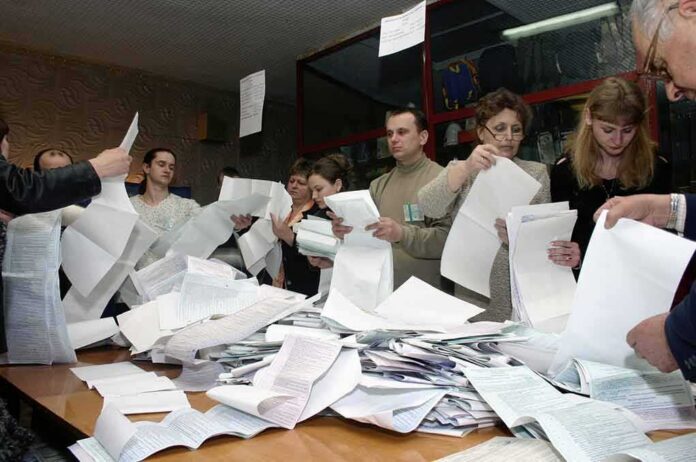
Los Angeles County officials ran their own check on a sample of the list. They found that 38.9% of records with usable birthplace information showed the person was born in the United States, which officials called strong evidence of citizenship. The county also found that 71.2% of sampled names had no record of ever voting at all. Officials said the sample also included canceled or inactive registrations.
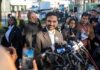
Of the roughly 20,000 names nationwide, only 7,035 actually had addresses in Los Angeles County, and some entries were duplicates. Attorney Seth Waxman, representing Registrar Dean Logan, told the court the federal list was unreliable and that setting aside the ballots would effectively disenfranchise eligible voters.
🚨 NEWS — CALIFORNIA — 9TH CIRCUIT QUESTIONS DOJ DEMAND TO SET ASIDE 20,000 MAIL BALLOTS
📂 Category: Elections / Federal Court
📅 Date: October 25, 2026 — Sunday hearing reported
📍 Location: U.S. Court of Appeals for the Ninth Circuit
🚨 Status: No ruling reported; case…— WilluChill News. (@Will466513) October 26, 2026
State Officials Say Evidence Is Missing
Secretary of State Shirley Weber wrote to the Justice Department saying the federal government never backed up its claim that 20,000 names belong to noncitizens. County officials echoed that complaint, saying the government provided no credible evidence supporting its suspicions. The Justice Department has not publicly released voter-by-voter proof showing how each person’s citizenship status was verified.
Noncitizen Voting Remains Historically Rare
Independent research generally finds confirmed noncitizen voting to be uncommon. An audit of the federal citizenship-check system reviewed more than 2 million voter records and found just 27 confirmed noncitizens, with 25 more flagged as likely noncitizens. That track record doesn’t settle this specific case, but it helps explain why both courts and election officials demand solid proof before pulling ballots from the count, especially during an active election where any error carries real weight.
Sources:
thegatewaypundit.com, justice.gov, ashtalks.substack.com, washingtonpost.com, washingtonsun.com, yahoo.com, democracydocket.com, apnews.com, npr.org, pbs.org, brennancenter.org
© nationalusnews.com 2026. All rights reserved.